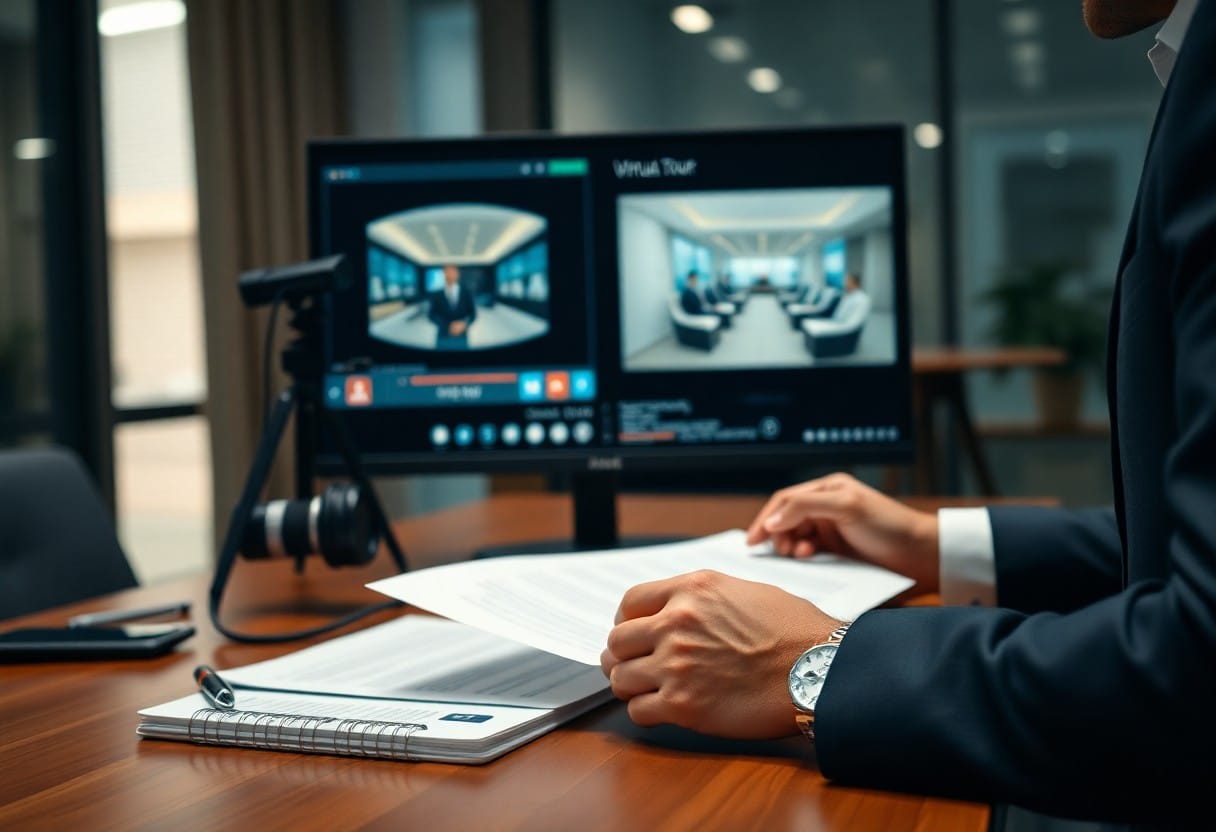
There's a myriad of legal considerations to ponder when crafting a 360° virtual tour. You must ensure that you have the appropriate permissions to feature any property or people included in your visuals. Copyright laws also apply to any content you use, so it’s vital to seek licences where necessary. Additionally, consider potential privacy issues that may arise if individuals are identifiable in your tour. Informing yourself about these legalities will help you avoid costly disputes and protect your creative undertaking.
The creation of a 360° virtual tour involves various copyright and intellectual property considerations that you must navigate carefully. You need to be aware of who holds the rights to the images, videos, and other content you utilise. Protecting your work legally is necessary to avoid potential disputes and infringement claims.
Any images or content used in your virtual tour must be correctly attributed and owned by you or licensed for use. If you capture the content yourself, you automatically hold the copyright; however, if you source images or videos from others, ensure you have the necessary permissions to avoid infringements.
At the same time, securing the right licensing agreements is vital if you intend to use third-party content in your virtual tour. This ensures that you have the legal right to use the images or materials, protecting you from potential future legal actions. Properly drafted agreements may also outline usage limitations, duration, and the scope of how you can use the content, which is fundamental for safeguarding your project.
Agreements should stipulate compensation terms, ownership rights, and any limitations on use that may apply. Without a comprehensive and well-understood agreement, you risk facing challenges that could hinder your project or result in costly legal disputes. Always engage with reputable sources for licensing to provide you with high-quality content under clear terms, helping ensure your virtual tour remains both engaging and legally compliant.
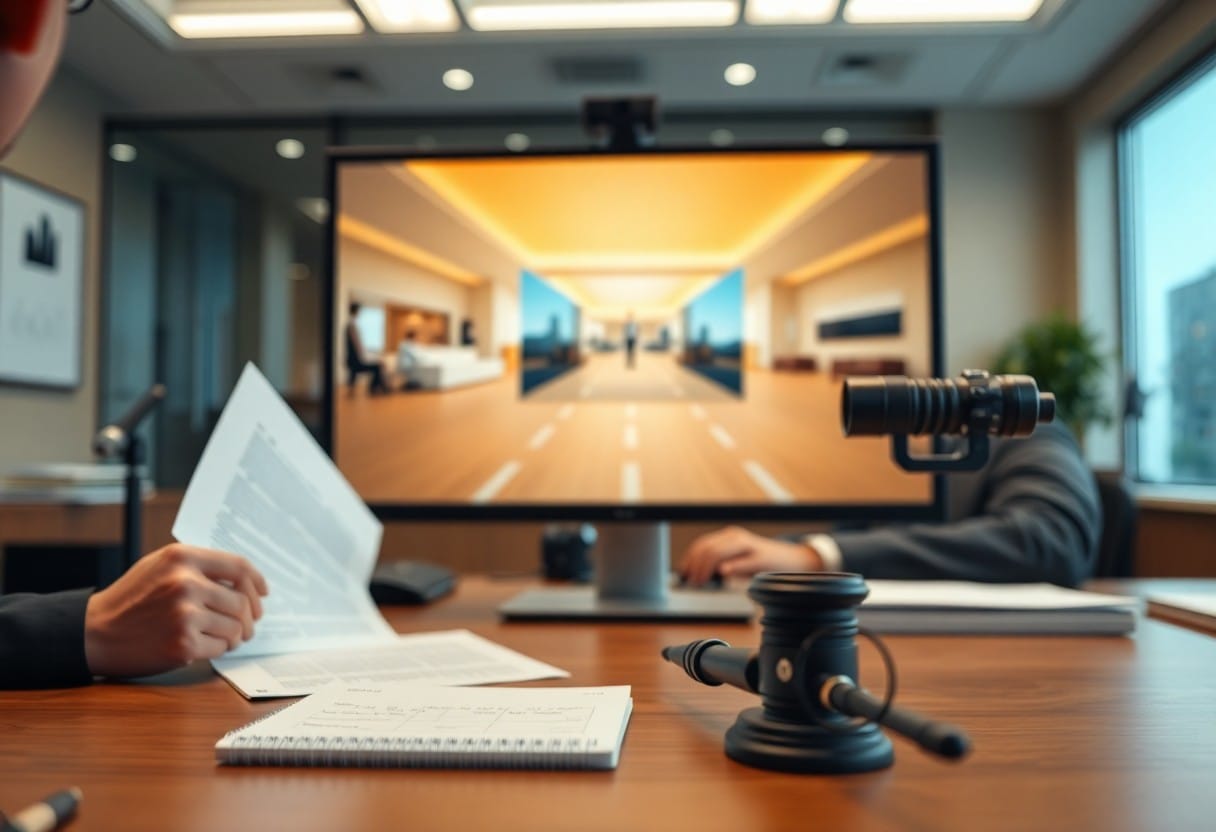
Some individuals may feel uncomfortable being filmed or photographed, raising privacy issues when creating a 360° virtual tour. It's crucial to be aware of and address these concerns to ensure that you respect the rights of people who may be captured in your content. Obtaining the necessary permissions and being transparent about how the virtual tour will be used can help maintain trust and avoid potential legal disputes.
Release forms are vital for informing participants about their appearance in your virtual tour. By securing written consent, you safeguard yourself against potential claims of invasion of privacy or damage to reputation. Ensuring that individuals are aware of what their image or likeness will be used for is crucial for compliance and ethical practice.
One significant aspect of creating a virtual tour is compliance with data protection laws, particularly in the UK, where the General Data Protection Regulation (GDPR) applies.
Failure to comply with GDPR can lead to severe penalties, making it crucial to process any personal data you collect responsibly. You must inform individuals about how their data will be used, stored, and shared, seeking their explicit consent where necessary. Secure data management practices and the ability to delete or modify data upon request are key responsibilities you need to uphold. Understanding these laws will also enhance your credibility and trustworthiness in the eyes of your audience.
Now, as you launch on creating a 360° virtual tour, it is vital to consider the accessibility standards that ensure all users can navigate and enjoy your content. This includes adhering to guidelines that cater to individuals with disabilities. For insights on attracting wider audiences, explore Why Invest in 360-Degree Tours and How to Get Started.
Standards set out by the Americans with Disabilities Act (ADA) require that your virtual tour is accessible to all, including those with visual or auditory impairments. Incorporating features such as audio descriptions, keyboard navigability, and captions not only adheres to legal requirements but also enhances user engagement.
Inclusive design is paramount when creating virtual tours. Ensure your platform is compatible with screen readers and features alternative text for images. Additionally, providing multiple navigation options allows users with different abilities to access your content effectively. Engaging with diverse audiences during the design process can uncover valuable insights that enhance your tour’s accessibility.
Best practices also include regularly testing your virtual tour for accessibility compliance, offering clear instructions for navigation, and seeking feedback from individuals with disabilities. By taking these steps, you not only meet legal requirements but also create a more welcoming environment for all users, which can significantly boost your audience reach and engagement.
Once again, it is imperative to address contracts and liability when creating a 360° virtual tour. You must establish clear agreements with all parties involved to outline particular responsibilities and manage potential liabilities. Your contract should specify ownership rights, usage permissions, and any limitations on liability to protect yourself in case of disputes.
Liability is a key concern in service agreements with vendors. You should ensure that your contract clearly defines each party's obligations and explicitly outlines liability clauses. This will help minimise your risk and ensure that vendors are accountable for any damages or issues arising during the virtual tour's creation.
Around the creation of your 360° virtual tour, it's wise to evaluate your insurance needs. Consider obtaining general liability insurance to protect yourself from claims related to property damage or personal injury that could arise while working on-site. Your policy should also include coverage for your equipment and any potential mishaps that could occur during the recording process. Review your insurance options to ascertain that you have comprehensive coverage that shields you against the various risks associated with producing a virtual tour.
Contracts are not merely formalities; they play an integral role in safeguarding your business interests. By detailing responsibilities, you establish a clear framework for your collaboration with vendors. Your contract should also protect against unforeseen events that could lead to financial loss. Focusing on well-structured contracts will ensure that you have recourse should any disagreements arise, thereby helping you mitigate risks while allowing you to focus on creating an engaging virtual experience.
Unlike traditional media, creating a 360° virtual tour involves navigating a complex web of platforms and distribution rights. You must ensure that you fully understand the terms and restrictions associated with the platforms where you intend to host your virtual tour. This includes knowing what rights you maintain over your content, as well as any limitations imposed by hosting services.
Service agreements with hosting platforms often contain specific stipulations regarding the ownership and distribution of content. You should meticulously review these terms to ascertain your rights concerning the virtual tour you create. This includes understanding whether you retain full rights to your content or if the platform holds any claims to it.
Rights granted by hosting platforms can vary significantly, with some enforcing stringent distribution restrictions. Be aware that certain platforms may limit your ability to share or monetise your virtual content freely. This could impact your overall reach and profitability.
Content distribution restrictions can pose significant challenges to your virtual tour’s visibility and monetisation. You may face limitations on where and how you can market your tour, affecting your potential audience size. Always clarify any exclusive distribution agreements that might prevent you from sharing your work on other platforms. Understanding these restrictions is imperative to avoid legal pitfalls that could jeopardise your project's success.
All virtual tours must adhere to local regulations and obtain necessary permits. Understanding the specific legal framework in your area is crucial to avoid any unexpected legal issues. Compliance with these regulations can significantly impact the success of your project, ensuring that you operate within the law and protect your interests.
Laws concerning zoning govern the use of land and property types in specific areas. It is important to verify if your intended location permits commercial use or requires special permission for virtual tours. Failure to comply with zoning laws can lead to fines or forced cessation of your activities.
Licenses are necessary to operate legally and can differ based on your location. You must research the specific types of licenses required for your virtual tour business, as these can include general business permits or specific licenses for photography and videography activities.
The process of obtaining local business licenses can involve detailed applications and inspections. Ensure you check with your local council to understand what documentation and fees are involved. Not securing the required licenses puts your business at risk, which can lead to penalties or, in some cases, the suspension of your operations. Therefore, you should prioritise this aspect to promote a legitimate and trustworthy business image.
Taking this into account, when creating a 360° virtual tour, you should pay close attention to copyright laws, as using protected imagery or content without permission can lead to legal issues. Additionally, consider obtaining consent from individuals who may appear in the tour and ensuring compliance with data protection regulations, particularly if you collect any personal information. Incorporating clear disclaimers and respecting privacy rights will further help you mitigate potential risks, allowing you to showcase your virtual tour confidently and responsibly.
A: When creating a 360° virtual tour, it is necessary to ensure that you have the rights to use any images, videos, and music incorporated in the tour. Copyright infringement can occur if you use content without proper permissions. Always seek to obtain licences for third-party content and consider using public domain or royalty-free resources. Additionally, you should review any contracts or agreements associated with the venues or properties being showcased to ensure there are no restrictions on the use of their imagery.
A: Yes, privacy is a significant concern when creating a 360° virtual tour. It is vital to ensure that personal data or identifiable information about individuals is not captured in the tour, especially without their consent. If the tour takes place in a public space, it's advisable to have clear signage informing individuals that a virtual tour is being conducted and that they may appear in the footage. Additionally, consider implementing measures to blur faces or identify personal properties if privacy might be at risk.
A: Liability issues may arise during the creation of a 360° virtual tour, particularly regarding visitor safety and property damage. As the creator, you should ensure that you have the necessary permissions from property owners or managers to film on the premises. It is also advisable to carry liability insurance to protect against potential claims if an accident occurs during the filming. Furthermore, maintain a clear understanding of any local laws or regulations that may impact your filming activities, as this can mitigate the risk of legal disputes.