You may find yourself eager to create an impressive 360° virtual tour, but there are common mistakes that can significantly impact the quality of your project. Failing to properly plan your shots, overlooking lighting, and neglecting user experience can all lead to a less engaging virtual tour. By recognising these pitfalls and implementing effective strategies, you can ensure that your tour is both visually appealing and easy to navigate. This guide will help you steer clear of these errors and enhance your virtual tour creation process.
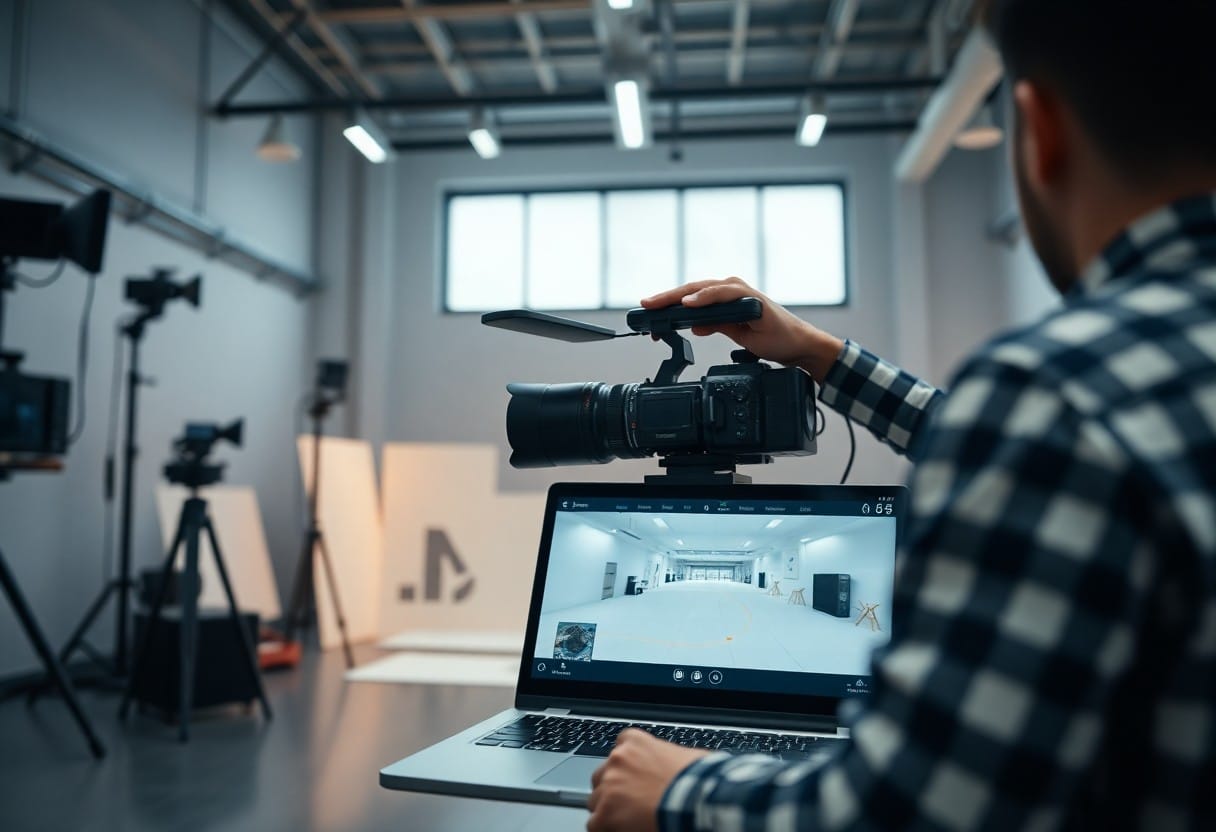
Your 360° virtual tour serves as a powerful tool to engage potential clients or customers, providing them with an immersive experience of the space you are showcasing. By creating a realistic representation, you enable viewers to explore areas in detail, which can significantly impact their decision-making process. A clear understanding of the purpose behind your virtual tour can enhance its effectiveness and ensure it meets your business goals.
An imperative aspect of creating a successful 360° virtual tour is identifying your target audience. Consider who will benefit from the tour and what specific features will appeal to them. Tailoring your content to the interests and needs of your audience will enhance their experience and engagement with your virtual tour, ultimately leading to better results.
By establishing clear objectives for your 360° virtual tour, you can focus your efforts on achieving specific outcomes. These objectives can vary, from increasing foot traffic to a physical location to enhancing online engagement and lead generation. Clearly defined goals will guide your creative process and help measure the success of your virtual tour.
But without precise objectives, your virtual tour might lack direction, resulting in a missed opportunity to connect effectively with your audience. Focus on objective metrics such as increasing customer inquiries or boosting online sales. By doing so, you can develop content that directly supports these targets, ensuring your virtual tour not only captivates viewers but also drives tangible business results.
Some people overlook the importance of selecting the right technology for creating a 360° virtual tour, which can significantly impact the quality and user experience. You should invest time in researching various options, considering factors such as image resolution, ease of use, and the specific features that suit your project. A well-chosen technology can enhance the appeal of your virtual tour and make it more engaging for your audience.
The choice of software plays a pivotal role in the success of your virtual tour. You should opt for a solution that fits your technical skills and meets your project's requirements. Some software offers advanced features, such as interactive elements and custom branding, while others focus on simplicity. Evaluate your needs carefully before committing to any specific software.
After selecting the technology, check that your virtual tour is compatible with various devices. You want your audience to access the tour seamlessly, whether they are using a smartphone, tablet, or desktop. Testing on multiple devices ensures a broader reach, allowing more users to enjoy your content.
Right from the start, you must focus on ensuring compatibility with devices. Creating a responsive design is key to your success, as it allows the virtual tour to adapt seamlessly to different screen sizes. Make sure to pay attention to both operating systems and browsers during the development process. A lack of compatibility could result in a poor user experience or even alienate potential visitors, negatively affecting engagement and accessibility.
Many creators underestimate the importance of high-quality photography and visual presentation in a 360° virtual tour. The images you use need to engage and captivate your audience while accurately representing the space. A well-executed visual presentation can significantly enhance user experience, making your tour more appealing and immersive.
Images are the foundation of any virtual tour, and using poor-quality images can detract from the overall experience. Blurry, pixelated, or improperly framed images can leave viewers with a negative impression. Ensure you choose sharp, well-composed photographs that highlight the best features of the space you’re showcasing.
Among the many aspects of photography, lighting plays a significant role in the quality of your virtual tour. Poor-quality lighting can obscure details and create unflattering shadows, leading to an uninviting appearance. Adequate lighting ensures that every corner of your space is visible and appealing, helping your audience feel more connected to the environment. Using natural light whenever possible, or investing in good lighting equipment, can vastly improve the overall look of your images. A well-lit space can evoke a warm and welcoming atmosphere, making potential clients more likely to engage with your offering.
Despite the technological advancement in virtual tours, many overlook the significance of seamless navigation and user experience. Neglecting this can frustrate users and detract from the intended immersive experience. To enhance your virtual tour's appeal, consider exploring this resource to Avoid These 6 Mistakes While Creating a Virtual Tour.
By focusing on a clean and simple user interface, you can significantly enhance the overall experience. This means sticking to familiar icons and layouts that your audience can easily navigate through without confusion.
After streamlining your design, it’s now imperative to ensure navigation is intuitive and straightforward for users. Overcomplicated navigation can lead to frustration and disengagement, which detracts from your tour's effectiveness.
Navigation should be consistent and intuitive, allowing users to effortlessly explore your virtual environment. Implementing clear pathways and visible controls will enhance the immersive experience, keeping users engaged. Avoiding excessively detailed menus or convoluted transitions is imperative, as they may create a sense of confusion. Ensure that your virtual tour flows smoothly, allowing users to concentrate on the content rather than struggling with navigation.
For a successful 360° virtual tour, you must pay close attention to the content. Ensure that your imagery and narrative are not only immersive but also engaging. You should provide a clear storyline that guides viewers through the space, highlighting key features and points of interest to maintain their attention and encourage exploration.
Across your virtual tour, it's imperative to supply pertinent information that enhances the viewer's experience. This includes details about the locations, history, and unique features of the area you are showcasing. By doing so, you create a richer understanding and connection for your audience.
Providing a harmonious balance between text and visuals is crucial in a virtual tour. Excessive text can overwhelm viewers, while purely visual content may lack clarity. Strive for a blend where visual elements enhance your message without overshadowing the narrative.
Plus, ensure that your text complements your visuals effectively. Use brief and impactful text that supports the images without detracting from them. Avoid cluttering the screen with too much information; focus on key messages that reinforce the visual experience. A well-crafted balance leads to an easier, more enjoyable experience for your audience, ultimately keeping them engaged and allowing your content to shine.
Not promoting your 360° virtual tour adequately can lead to missed opportunities. You should utilise various marketing channels to reach your audience effectively. Ensure that your tour is easily accessible across devices, and consider incorporating it into your website, newsletters, and promotional emails. Accessibility will enhance user experience and encourage more viewers to engage with your virtual tour.
Behind every successful 360° virtual tour lies an effective SEO strategy. You need to optimise your content with relevant keywords, meta tags, and alt text. This ensures that potential viewers can easily find your tour through search engines, thus enhancing visibility and driving traffic.
Optimisation of your social media presence is key to promoting your 360° virtual tour. You should share engaging content highlighting your tour on platforms like Facebook, Instagram, and LinkedIn to attract your target audience.
Promotion through social media channels can significantly increase your tour's visibility. By creating eye-catching posts and using relevant hashtags, you can draw in a larger audience. Engaging with your followers through live streams or interactive stories related to your tour can also enhance a sense of community and drive more traffic to your virtual tour. It's vital to focus on producing content that resonates with your audience, transforming them into advocates for your tour while expanding its reach.
As a reminder, when creating a 360° virtual tour, it is necessary to avoid common mistakes that could hinder the experience. Make sure to maintain consistent lighting and avoid cluttered spaces that can distract viewers. Ensure that the navigation is intuitive, allowing users to easily explore the environment. Pay attention to the quality of visuals, ensuring they are high-resolution to truly engage your audience. Lastly, don’t overlook the importance of providing context with informative hotspots to enhance the tour, making it as engaging and informative as possible.
A: One significant mistake is selecting a location that lacks visual interest or relevance to the intended audience. When creating a 360° virtual tour, it is vital to pick a site that offers engaging visuals and tells a story that resonates with viewers. Boring or unremarkable scenery can lead to a lack of engagement and ultimately diminish the overall experience. A well-chosen location can effectively capture attention and encourage viewers to explore further.
A: Inadequate or harsh lighting is a major pitfall when creating a 360° virtual tour. Lighting plays a vital role in how the space is perceived, with poor lighting leading to dark and uninviting images. Conversely, overly bright areas can create glare, obscuring details. It's vital to ensure that the space is sufficiently lit, using soft, even lighting to enhance the overall atmosphere of the tour. This not only improves visibility but also contributes to a more immersive experience for the viewer.
A: Technical glitches can severely undermine the professionalism of a 360° virtual tour. One common mistake is neglecting to test the interactive elements, such as navigation buttons or hotspots, before launching the tour. Malfunctioning features can frustrate viewers and break the immersive experience. Therefore, it is advisable to conduct thorough testing across various devices and platforms to identify and fix any potential issues before going live. This ensures a seamless experience that allows users to engage effortlessly with the content.