Just as technology evolves, so too does the way you experience spaces. A 360° virtual tour allows you to explore environments from the comfort of your home, providing an immersive experience that traditional photographs simply cannot match. Whether you are showcasing a property, promoting a travel destination, or enhancing your business's online presence, these tours allow you to capture attention, engage your audience, and provide a comprehensive view of your space. By inviting users to interact with your content, you elevate your potential to attract customers and create lasting impressions.

To grasp the significance of 360° virtual tours, it’s imperative to dissect their essence and functionality. These immersive experiences allow users to explore a location as if they were physically present, using a range of digital platforms. By offering a comprehensive view of the environment, they engage viewers and enrich interactions with spaces, be it real estate, tourism, or education.
Around the globe, 360° virtual tours have emerged as transformative tools in the digital landscape. They combine panoramic photography and advanced technology to create an interactive sphere that users can navigate, allowing for a detailed and captivating exploration of any given space.
By embracing 360° virtual tours, you benefit from numerous advantages that enhance your viewing experience. Key features include:
This innovative approach allows businesses and organisations to showcase their environments effectively.
Considering the rapid advancement in technology, you’ll find that the benefits of 360° virtual tours extend beyond mere visuals. They promote engagement and accessibility while offering a range of features that include:
This versatility makes 360° virtual tours an exceptional tool for various industries.
If you want to stand out in today’s competitive market, incorporating 360° virtual tours into your strategy is vital. These immersive experiences not only showcase your space effectively but also allow potential customers to explore at their own pace. By providing an engaging visual representation, you enhance the decision-making process, ultimately converting views into sales.
Any effective virtual tour offers a seamless and intuitive browsing experience, granting users the chance to virtually navigate through your space. This type of interaction fosters a sense of familiarity and comfort, which is vital for making informed decisions. When users can visualise themselves within the space, they are more likely to develop a connection to your brand.
To maximise the potential of your virtual tours, growing user engagement is key. With interactive elements such as hotspots, clickable information, and guided narrations, you can captivate your audience and encourage them to explore further. This engagement not only keeps users on your platform longer but also fosters a deeper understanding of your offerings.
Even subtle features like 360° navigation and interactive hotspots can significantly enhance user interest. The more engaging your tour, the more likely users are to share their experiences with others. This viral potential can lead to a substantial increase in your visibility while also creating a strong emotional connection with your brand. Ultimately, an engaging virtual tour is an effective way to draw in clientele and bolster your reputation in the industry.
All industries are discovering the benefits of 360° virtual tours as they enable immersive experiences that enhance customer engagement. From real estate to education, these tours offer unique insights that can influence decision-making. For more information, check out The Ultimate Guide to Virtual Tours | Cvent Blog.
One significant application of 360° virtual tours is in real estate marketing. By allowing you to explore properties more interactively, potential buyers can gain a better understanding of the space, enhancing their interest and facilitating quicker sales.
Marketing professionals increasingly leverage 360° virtual tours for educational purposes. These immersive experiences offer you the chance to learn in environments that replicate real-life situations, boosting retention and understanding.
Another important aspect is the potential for interactive learning. As you navigate through any virtual environment, you can acquire knowledge at your own pace. This format is particularly effective for dangerous scenarios where practical training may not be feasible, enabling you to practice skills in a safe setting. Overall, 360° virtual tours transform traditional education methods, offering an engaging and experiential approach to training.
For businesses and organisations, a 360° virtual tour offers a unique opportunity to engage potential customers in an immersive way. This technology not only enhances your marketing strategy but also helps to showcase your products or services in an interactive environment, ultimately leading to increased brand awareness and customer retention.
Behind every successful marketing campaign is the ability to capture your audience's attention effectively. With a 360° virtual tour, you can provide potential customers with an interactive experience that encourages them to explore more, resulting in higher conversion rates and increased sales.
Above all, establishing trust and credibility is vital for maintaining customer relationships. A 360° virtual tour allows you to present a transparent view of your business, enabling customers to feel more familiar and comfortable before making a purchase.
Considering that today's consumers highly value transparency, a well-executed 360° virtual tour can significantly enhance your professional image. By offering a realistic glimpse into your business operations, you not only foster trust but also alleviate any potential concerns customers may have. This immersive experience can lead to enhanced customer satisfaction, increased loyalty, and a stronger overall brand reputation.
After deciding to implement a 360° virtual tour, it is necessary to consider the technical aspects that will influence its effectiveness. Understanding the necessary hardware and software, alongside the best practices for capturing and presenting your content, will ensure a seamless and high-quality experience for your audience. Prioritising these technical details will help you produce a virtual tour that not only captivates viewers but also functions smoothly across devices.
At the beginning of your 360° virtual tour journey, you will need specific equipment and software to facilitate the creation process. A high-resolution 360° camera is necessary, as well as good lighting and a stable tripod to ensure your images are sharp and clear. Alongside this, reliable software for stitching and editing images is necessary to produce a professional final product.
At the heart of creating an engaging 360° virtual tour is your adherence to best practices. These include taking well-lit images, ensuring consistent stitching, and providing natural navigation paths. It's vital to scout your locations ahead of time for ideal angles and minimal distractions.
Practices such as inconsistent lighting or using inadequate equipment can lead to poor-quality images, while careful planning can result in a visually appealing and inviting virtual tour. Ensure you engage your audience by integrating suitable transitions and user-friendly navigation elements, as these features enhance interactivity and maintain viewers' interest. By focusing on these aspects, you can significantly improve the overall quality of your virtual tour and deliver a captivating experience.
Your understanding of 360° virtual tours will be enriched by the anticipated future trends that are set to transform this innovative medium. With advancements in technology and an array of expanding use cases, the realms of education, real estate, and tourism, among others, will harness virtual tours to provide more *immersive* experiences for users like you. As these technologies evolve, the potential for engagement and interaction will only increase, making virtual tours an even more *valuable* tool in various sectors.
In the world of 360° virtual tours, technology is progressing at an impressive pace. Improved imaging software, virtual reality (VR) headsets, and artificial intelligence (AI) are enhancing the *quality* and *accessibility* of virtual tours. As these advancements continue to refine visual fidelity and user interactivity, you can expect virtual tours to become even more *compelling and realistic*, ultimately reshaping your experience.
On the horizon, an array of *expanding use cases* is set to enhance the appeal of 360° virtual tours. Industries such as retail, education, and healthcare are now turning to this technology to create *engaging* experiences for users like you. By integrating virtual tours into their marketing strategies, businesses can showcase their products or services in a *unique way*, while educational institutions can provide *interactive learning environments*. The versatility of virtual tours means that you will witness them becoming increasingly *integral* to various sectors.
A *growing trend* in 360° virtual tours is their adoption across diverse industries. From *retailers* offering virtual shopping experiences to *educators* presenting immersive lessons, these tours allow you to explore *realms* that were previously inaccessible. In the *healthcare sector*, hospitals are utilising virtual tours to help *reduce anxiety* for patients through pre-visit familiarisation. This innovative technology not only fosters *engagement*, but also enhances overall *communication*, making processes smoother and more *efficient* for you as a user. As more sectors embrace 360° virtual tours, their significance in *daily activities* will undeniably increase.
The purpose of a 360° virtual tour is to enhance your experience by providing an immersive, interactive way to explore a space from the comfort of your own device. This innovative tool allows you to engage with properties, venues, or locations in a detailed manner, helping you make informed decisions. Whether you are considering a new home, planning an event, or showcasing a business, a virtual tour can give you a comprehensive view that traditional images simply cannot. Embrace this technology to enrich your understanding and appreciation of your surroundings.
A: The primary purpose of a 360° virtual tour is to provide an immersive experience that allows users to explore a location or an environment as if they were physically present. This technology enables viewers to navigate through spaces, gaining awareness of the layout, features, and ambience without needing to visit in person. It is particularly useful for real estate, tourism, and education, where showcasing the setting can significantly influence decision-making.
A: Businesses benefit from 360° virtual tours by enhancing their marketing strategies. These tours can effectively attract potential customers by engagingly showcasing facilities and services. For example, a hotel can display its rooms and amenities, allowing prospective guests to visualise their stay. Additionally, virtual tours can improve customer engagement and increase conversion rates, as clients are often more inclined to make a booking after experiencing a realistic preview.
A: Yes, several industries make extensive use of 360° virtual tours, with real estate and hospitality being among the most prominent. In real estate, agents use virtual tours to give potential buyers or renters a comprehensive view of properties without needing to conduct numerous physical showings. The hospitality sector, including hotels and resorts, leverages virtual tours to allow guests to virtually explore rooms, amenities, and surrounding attractions, thus aiding in the decision-making process. Other industries, such as retail, education, and even healthcare, are also beginning to recognise the benefits of this immersive technology.
Many factors influence the cost of creating a 360° virtual tour, from the technology used to the complexity of the tour itself. You may find yourself considering various options such as hiring professional services or using DIY tools, each bringing its own set of expenses. Understanding these costs is vital for budgeting effectively and ensuring that you achieve the desired quality for your virtual tour. This post will guide you through the key elements that determine the overall investment needed for your project.
Before exploring into the specifics, you should consider several factors that can significantly impact the overall cost of creating a 360° virtual tour. These include:
Assume that each of these elements plays a vital role in determining your budget for a virtual tour.
Across the industry, the type of equipment you choose will heavily influence your overall costs. High-quality cameras and 360° capturing devices typically come at a higher price point, but investing in reliable technology can enhance the visual quality of your virtual tour.
Among the various expenses, software and platform fees are imperative to consider. Depending on your chosen provider, these costs can vary widely and typically include licensing fees and necessary subscriptions.
For instance, you might find basic software packages that are budget-friendly, while more sophisticated tools with advanced features could incur higher charges. If you require functionalities like analytics or customisation, be prepared for ongoing subscription costs that can escalate quickly, reflecting the added value they provide.
On the other hand, hiring professional services can significantly affect your budget. Engaging skilled photographers, designers, or developers will enhance your virtual tour but will also come at a premium.
Influencing factors in the cost of professional services include their level of expertise, project complexity, and additional services required. Expertise in high demand can drive up rates, while a well-planned project might allow you to save. Balancing quality with your budget is imperative to achieve the best outcome for your virtual tour.
Now, understanding the various costs involved in creating a 360° virtual tour is crucial for effective budgeting. You’ll typically encounter expenses related to equipment, software, and additional services. Factors such as the complexity of the project and any specific features you wish to include will also affect your overall costs. Being aware of these elements allows you to make informed decisions and optimally allocate your resources.
Across the spectrum, you have the option to create your virtual tour yourself or hire professional services. DIY methods can significantly reduce costs, but they may demand considerable time and effort, as well as a learning curve with the technology. Conversely, professional services could offer higher quality and expertise, yet this comes at a premium. You must weigh your skills and budget to find the best approach for your needs.
One aspect that often surprises many is the licensing and subscription costs associated with virtual tour software and platforms. These fees can vary widely, depending on the features and support you require. Some providers charge monthly or annual subscriptions, while others might have one-time licensing fees. It’s vital to assess your long-term needs to choose a service that aligns with your budget.
Licensing agreements should be scrutinised carefully, as they can impact how you use your virtual tour. Some platforms impose restrictions on distribution or charge extra for additional features, which can lead to higher-than-expected expenses. Additionally, opting for a subscription service might provide you with regular updates and support but could turn into a significant long-term investment. Make sure to factor in these ongoing costs when planning your virtual tour project.
Keep in mind that various types of virtual tours cater to different needs and industries. Understanding these variations helps you choose the best option for your specific requirements. Below is a summary of some common types:
| Residential Tours | Tours showcasing homes and apartments for sale or rent. |
| Commercial Tours | Tours for offices, retail spaces, or warehouses. |
| Event Space Tours | Showcasing venues for events like weddings or conferences. |
| Tourism and Travel Tours | Highlighting attractions and destinations for tourists. |
| Indoor and Outdoor Tours | Showcasing both external environments and internal spaces. |
Recognising these types will guide you in selecting the right virtual tour that fits your needs.
One of the most popular applications of virtual tours is in residential real estate. These tours allow potential buyers to explore properties from the comfort of their own homes, providing a comprehensive view of the layout, features, and surrounding areas. By incorporating interactive elements, such as floor plans and hotspots, you enable viewers to have a more engaging experience.
One significant use of virtual tours is for commercial and business purposes. These tours can effectively showcase office spaces, retail establishments, or industrial facilities, offering prospective clients or tenants an immersive experience.
In addition, using virtual tours for commercial purposes can enhance your marketing strategy by attracting a wider audience. By highlighting your brand's unique offerings and professional environment, you create a lasting impression on potential clients. Also, these tours enable you to provide important information that helps clients make informed decisions. By investing in this technology, you not only save time but also increase the chances of securing deals through enhanced engagement.
Your choice of pricing model for a 360° virtual tour can significantly affect your overall costs. There are typically two main approaches: one-time fees and recurring costs. Understanding these models will help you make an informed decision that aligns with your budget and needs.
On selecting a one-time fee model, you pay a fixed amount for the creation of your 360° virtual tour. This fee generally covers the entire production process, including photography, editing, and initial setup. However, it usually excludes maintenance or future updates.
At the opposite end, recurring costs involve ongoing payments for services such as hosting, maintenance, and updates. This model ensures your virtual tour remains current and accessible, but it also means budgeting for these costs regularly.
A recurring costs model can be beneficial in that it provides continuous support and ensures your virtual tour content is updated regularly. However, it's important to consider how these expenses can add up over time. Be sure to assess the services included in the recurring fees, as they can vary significantly. Ultimately, the decision should factor in your long-term goals and whether the additional services justify the expense for your business or project.
Not only do you need to factor in the creation costs of your 360° virtual tour, but there are additional considerations that can impact your overall investment. Items such as software licences, special equipment, and professional services can add to your budget. It’s necessary to be aware of these potential expenses to ensure your project remains financially viable.
The hosting and maintenance of your virtual tour play a significant role in its ongoing performance and accessibility. You’ll need to choose a reliable hosting service that can support high-quality graphics and provide a smooth user experience. Additionally, regular updates and maintenance are required to keep your tour functioning optimally.
Behind every successful virtual tour lies an effective marketing strategy. You'll need to promote your tour to reach your target audience. Utilising social media platforms, email newsletters, and online advertising can significantly increase your visibility. Consider investing in SEO to enhance discoverability, as it helps bring organic traffic to your tour. Promotion of your virtual tour effectively can drive engagement and generate leads that might lead to increased sales or bookings. Be aware that poor marketing can lead to missed opportunities, while a well-executed strategy can result in a remarkable return on investment.

For an in-depth understanding, consider these case studies that highlight the cost implications of creating a 360° virtual tour:
After analysing various sectors, it’s evident that businesses leveraging 360° virtual tours have significantly improved their outreach and engagement. For instance, a property developer reported a remarkable 50% conversion rate increase in sales following their virtual tour implementation.
Projects often face challenges that can lead to disappointing outcomes. Many fail due to insufficient planning, unclear objectives, or lack of audience engagement.
Another important aspect is understanding that the user experience must be at the centre of your design. Poor-quality visuals and limited interactivity can drive users away rather than attract them. Additionally, not considering mobile accessibility can render your virtual tour ineffective. Therefore, you must conduct thorough testing and gather feedback during development to ensure a successful outcome.
On the whole, the cost of creating a 360° virtual tour can vary significantly based on several factors such as the complexity of the project, the technology used, and the service provider you choose. Typically, you can expect to invest anywhere from a few hundred to several thousand pounds. It's vital to evaluate your specific needs and budget while also considering the potential return on investment that a well-executed virtual tour can provide for your business.
A: The cost of creating a 360° virtual tour can vary significantly based on several factors. Generally, prices range from £500 to £5,000. Basic tours with minimal features may start around £500, while more comprehensive and interactive tours incorporating high-quality photography, detailed stitching, and additional digital elements can reach upwards of £5,000. The final price will also depend on the complexity of the project, the number of locations, and the level of customisation required.
A: Yes, there can be ongoing costs related to maintaining a 360° virtual tour. These may include hosting fees if the virtual tour is stored online, as well as potential costs for updates or enhancements as your business evolves or if new features become available. Additionally, if you wish to keep the tour relevant, periodic re-shoots or updates may be necessary, which can incur further expenses.
A: Several factors influence the pricing of a 360° virtual tour. Key considerations include the quality of the equipment used, the experience and expertise of the photographers or developers, the level of interactivity desired, and any additional features such as hotspots, audio narration, or integrations with other digital platforms. The location and accessibility of the site being photographed can also impact costs, especially if travel is required to reach the venue.
360° virtual tours have become increasingly popular for showcasing properties and businesses, offering a captivating way for your audience to explore spaces remotely. The time it takes to create your virtual tour can vary significantly based on factors such as the complexity of the location, the quality of the equipment used, and your experience level in photography and editing. On average, you might expect it to take anywhere from a few hours to several days, depending on these variables. Understanding this timeline can help you manage your expectations and prepare effectively.
The concept of 360° virtual tours allows users to immerse themselves in a digital environment, providing a comprehensive view of a location as if they were physically present. This technology is widely used in various industries, including real estate, travel, and education, to enhance the audience's experience and engagement.
After gaining popularity, 360° virtual tours serve to showcase spaces interactively, allowing potential customers or clients to explore properties or venues remotely. This technology not only provides an immersive experience but also aids in decision-making.
Besides expanding your understanding, you can encounter various types of 360° virtual tours, including:
| Interactive Tours | Encourage user navigation. |
| Walkthrough Tours | Guide users through a set path. |
| Self-Guided Tours | Allow users to navigate at their own pace. |
| Video Tours | Combine video content with 360° visuals. |
| Live Tours | Offer real-time exploration with a guide. |
Any type of tour can significantly enhance your presentation and engagement levels.
This variety means you can select the best format for your objectives, leveraging unique features such as:
| Customisation | Tailor to specific audience needs. |
| Analytics | Track user interaction and engagement. |
| Mobile-friendly options | Ensure accessibility on all devices. |
| Integration capabilities | Seamlessly embed on websites. |
| Enhanced visuals | Use high-quality imagery for immersive experiences. |
Any choice you make will ultimately depend on your specific marketing goals and audience preferences.
It is important to consider several factors that influence the time required to create a 360° virtual tour. These include:
Recognising these aspects will help you manage your expectations and streamline the workflow. For more insights, check out these Tips to get started with virtual tours : r/RealEstatePhotography.
For different locations, the complexity can significantly impact the time needed to produce your virtual tour. A straightforward, open space will require less time than a detailed, intricate environment. The more unique angles and features you want to capture, the longer it may take.
Along with the complexity, the technology and equipment you choose play a major role in production time. High-quality cameras and editing software can offer better results but may also require additional expertise.
Another factor to consider is the learning curve associated with your chosen technology. Using state-of-the-art equipment can enhance your final product, but it may initially slow down your process as you become familiar with the functionalities. Furthermore, investing in a 360° camera that is easy to handle can lead to more efficient shoots, whilst more advanced models may demand a deeper understanding of post-production editing techniques. Balancing investment in quality with your current skill level is vital for efficiency.
All virtual tours require a thorough pre-production phase to ensure a smooth operation. You must consider aspects such as location, subject matter, and intended audience. Each decision will guide not only the creative direction but also the logistics involved in capturing high-quality content. Effective organisation during this stage will ultimately save you time and resources throughout the production process.
With a solid plan and storyboard, you set the foundation for your virtual tour. This process involves outlining the key features and narrative you want to convey, ensuring a logical flow that will engage your audience. It is vital to map out each scene and transition, as this will help you stay focused and streamlined as you move into production.
Among the many elements that contribute to the success of your virtual tour, the right equipment setup cannot be overlooked. Ensuring that you have the appropriate cameras, lenses, stabilisation tools, and lighting can make or break your project.
Storyboarding is necessary for focusing your efforts when setting up equipment and capturing footage. Having a clear plan allows you to identify the best angles, lighting conditions, and necessary equipment for each scene. Properly setting up and calibrating your gear is vital, as it ensures that the imagery is of the highest quality, while also preventing potential issues such as blurred images or insufficient coverage. Also, never underestimate the importance of conducting test shots to perfect your setup before finalising the tour. This preparation pays off, allowing for a seamless production experience.
After the planning stage, you enter the production phase, where the actual creation of your 360° virtual tour takes place. This is where you gather all necessary materials, set up your equipment, and start capturing the immersive experiences that will engage your audience. Organisation and attention to detail in this phase are vital for achieving quality results.
Above all, capturing the imagery is a foundational step for your virtual tour. Using high-quality cameras and lenses will ensure that the resulting images are sharp and vibrant. Pay attention to lighting conditions, as they play a significant role in the overall look and feel of the tour.
An effective technique for optimal results involves careful consideration of your camera settings and shooting angles. Ensure that you capture images with consistent exposure and focus across all viewpoints to create a seamless experience for viewers.
Plus, using the right techniques can vastly improve the quality of your virtual tour. Employ tripods and stabilisation equipment to reduce any unintended movement during capture. Consider conducting test shots to assess lighting and composition, allowing you to make adjustments before the final recording. Finally, aim for consistent texture and colour in your images, so viewers experience a smooth transition throughout the tour, enhancing the immersive feel of your project.
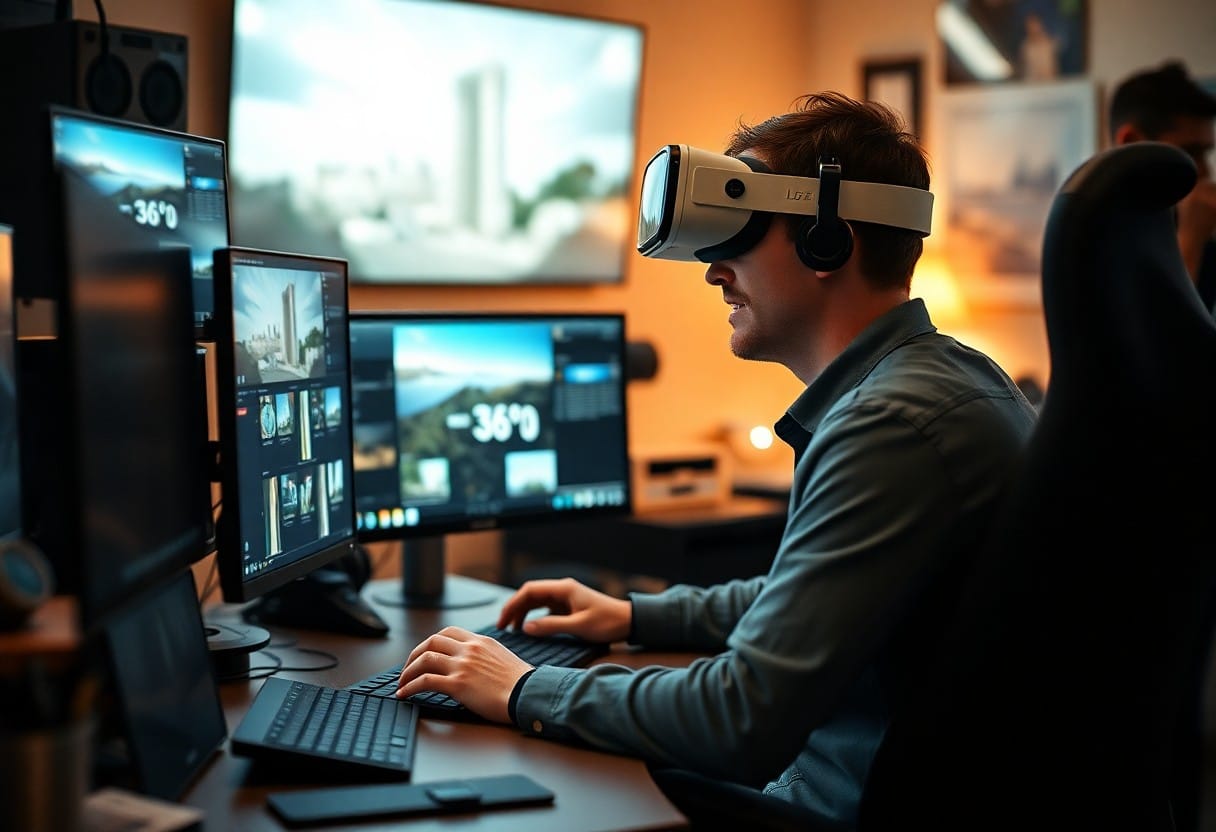
Not only does post-production play a vital role in refining your 360° virtual tour, but it also significantly contributes to the overall quality and user experience. This phase includes editing, stitching images, and integrating interactive elements, all of which work together to create a seamless and engaging journey for your viewer.
Along the way, you will need to edit and stitch your images to ensure a smooth transition between different viewpoints. This process involves using specialised software to combine multiple images into a cohesive 360° panorama. It’s vital to pay attention to detail, as discrepancies in lighting or stitching lines can detract from the immersive experience.
A vital component of creating an engaging virtual tour is integrating interactive elements. These features enable viewers to explore the space actively, which keeps their interest and enhances their experience.
The inclusion of interactive elements, such as clickable hotspots, informative pop-ups, and navigational tools, can significantly enrich your virtual tour. You have the opportunity to showcase vital information about specific areas, highlight unique features, or guide viewers through the space in a linear fashion. While these elements add depth, it's important to maintain a balance so that they do not overwhelm the viewer, ensuring that your virtual tour remains an enjoyable and informative experience.
To estimate the average time required for creating a 360° virtual tour, you might consider several factors, including the number of locations and the complexity of the scenes. Typically, a basic tour can take around 2-4 weeks, while more expansive and intricate projects may require upwards of 8-12 weeks. Factors influencing this timeline include planning, shooting, and post-production processes, which all play a significant role in delivering a polished final product.
Complex tours often demand extensive detail and multiple locations, extending the production timeline significantly. Simple tours, on the other hand, may require less time due to fewer scenes and simpler editing processes. This distinction can greatly impact your planning and budgeting for a virtual tour project.
Behind the creation of effective 360° tours are several illustrative case studies that demonstrate varying timelines and outcomes in different scenarios:
At each phase of these projects, you can see variations in time based on the complexity of content, the number of locations involved, and the level of detail required. These real-life examples can provide insights into how you might plan your own project, maximising efficiency while ensuring the quality of the final product is not compromised.
On the whole, the creation of a 360° virtual tour can take anywhere from a few hours to several days, depending on various factors such as the size and complexity of the location, the quality of equipment used, and your familiarity with the software. If you have a well-planned approach and utilise efficient techniques, you can minimise the time involved while ensuring a high-quality result. As you begin this project, consider your requirements and allocate sufficient time to achieve the immersive experience you desire.
A: The duration to create a 360° virtual tour can vary based on several factors, such as the size and complexity of the space, the level of detail required, and the technology used. On average, it may take anywhere from a few days to several weeks. For smaller spaces, a simple tour might be completed in just a couple of days, while larger or more intricate locations could take several weeks to properly capture and edit.
A: Various elements can affect the time frame, including the number of locations or rooms to be captured, the quality of the equipment being used, and the amount of post-production work required. Additionally, if there are specific features such as interactive elements, virtual reality compatibility, or custom branding that need to be integrated, these can extend the production time significantly.
A: Generally, the time frame can differ for indoor and outdoor tours. Indoor spaces often have controlled lighting and fewer variables, allowing for quicker setups and capturing processes. Outdoor tours, on the other hand, may require consideration of changing weather conditions, natural lighting variabilities, and the need for permissions in public spaces, which can lead to longer production times. Overall, both types of tours have unique challenges that can influence their creation timeline.
With the advent of 360° virtual tours, numerous industries can enhance their engagement and attract customers like never before. You can leverage this innovative technology to showcase your offerings in a highly immersive way, providing potential clients with a realistic experience of your products or services. From real estate and hospitality to retail and education, these tours can significantly boost your marketing efforts, creating a memorable impression and fostering trust in your brand.
The real estate sector is increasingly leveraging 360° virtual tours to enhance property marketing and sales strategies. By providing potential buyers and renters with the ability to explore properties remotely, agencies can create a more engaging and informative experience. This technology not only increases your reach to a wider audience but also saves time for both you and your clients by narrowing down choices more effectively.
Among the various segments of the real estate sector, residential properties can greatly benefit from 360° virtual tours. In today's digital age, prospective buyers often start their home search online, and offering a virtual walkthrough can captivate their interest. This immersive experience allows you to showcase the home's layout, design, and features in detail, ultimately assisting potential buyers in making informed decisions.
Besides residential properties, commercial spaces also stand to gain significantly from 360° virtual tours. These virtual experiences can showcase everything from office layouts to retail environments, offering a comprehensive view of available spaces for potential tenants or buyers.
Spaces that incorporate 360° virtual tours can dramatically improve your marketing strategy for commercial properties. A well-executed virtual tour highlights key features and benefits, helping potential clients envision their business within the space. Moreover, it can reduce property viewings by filtering out uninterested parties, resulting in a more efficient leasing or purchasing process. Ultimately, adopting this innovative approach places your property above competitors, enhancing your chances of a successful transaction.
The hospitality industry can greatly enhance customer engagement and satisfaction through 360° virtual tours. These immersive experiences allow potential guests to explore accommodations and dining options from the comfort of their homes, making it easier for them to make informed decisions. Offering a detailed view of your property can lead to increased bookings and a stronger online presence in a competitive market.
By showcasing your hotel or resort through a 360° virtual tour, you provide prospective guests with an interactive view of your facilities. This allows them to navigate rooms, pools, and amenities at their leisure, augmenting their overall booking experience. Such detailed visual content can effectively set your establishment apart from competitors, boosting interest and ultimately reservation rates.
Hotels can also enhance their dining experiences through the use of 360° virtual tours, attracting more patrons to their restaurants and cafés.
It is important to highlight your restaurant’s atmosphere and unique offerings through a virtual tour, as this can significantly impact a customer's choice. By providing an immersive glimpse into your dining space, delicious cuisine, and any special features, such as outdoor seating or private rooms, you can create a compelling invitation for guests. The ability to preview your establishment gives customers a sense of comfort and familiarity, which can lead to higher foot traffic and increased customer loyalty.
After witnessing a significant shift in consumer behaviour, the retail industry can substantially benefit from 360° virtual tours. These innovative experiences allow potential customers to browse products and explore store layouts from the comfort of their homes, leading to increased engagement and sales.
Against the backdrop of a competitive marketplace, brick-and-mortar stores can utilise 360° virtual tours to showcase their real estate and product offerings. By providing a virtual walkthrough, you can attract potential customers who may wish to visit the store while feeling more informed about their shopping experience.
Across the expanding realm of online shopping, 360° virtual tours offer a unique way to enhance your e-commerce platform. By integrating these visuals, you allow customers to interact with your products as if they were in a physical store, increasing their confidence in their purchases.
For instance, using virtual tours in your e-commerce strategy provides immersive product displays that entice customers. This interactive element can significantly boost customer understanding of your products, leading to higher conversion rates. Additionally, incorporating 360° visuals into your online store can keep customers engaged while reducing cart abandonment rates. It’s a powerful tool that helps you create an enhanced shopping experience, making customers feel more connected to your brand.
For institutions, 360° virtual tours offer a powerful tool to enhance educational experiences. By immersing students in dynamic environments, these virtual experiences facilitate greater engagement and understanding, making learning more appealing. Institutions can showcase facilities, resources, and the unique atmosphere of their campuses, ultimately helping students make informed choices about their education.
Tours of campuses can significantly enhance your recruitment efforts by giving prospective students an authentic feel for the environment before they even set foot on site. You can highlight the vibrant spaces, libraries, and labs, allowing students to visualise their future educational journey.
Any educational setting can benefit from 360° virtual tours by creating interactive learning environments. These immersive spaces allow students to engage with the content actively, encouraging collaboration and deeper exploration of subjects.
With interactive learning environments, you transform static lessons into immersive experiences that stimulate critical thinking and enhance retention. Incorporating real-time simulations or exhibitions into your curriculum allows you to create engaging content tailored to your student's needs. Enabling your learners to experiment in a risk-free space fosters confidence and helps them acquire practical skills, ultimately preparing them for real-world challenges.
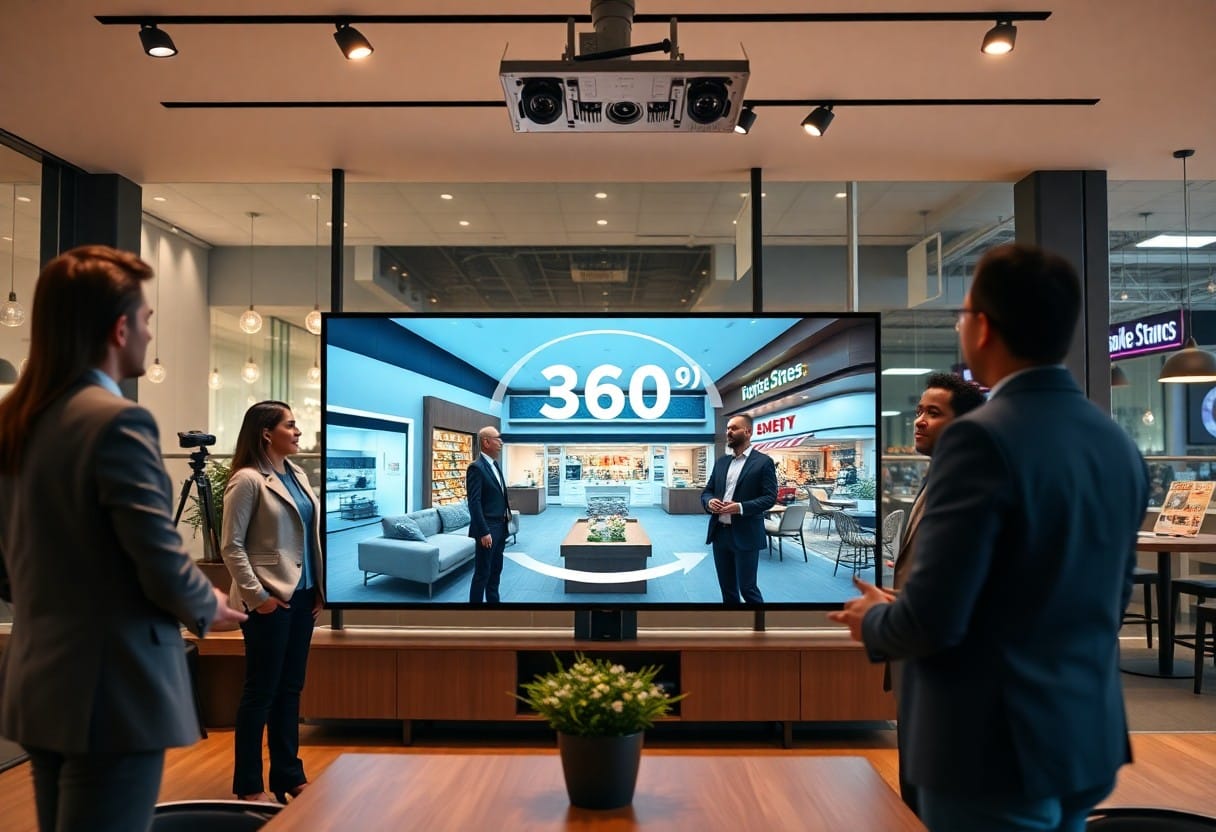
Once again, 360° virtual tours can transform the way you interact with healthcare services. These immersive experiences allow patients to explore facilities from the comfort of their homes, making informed decisions about their care. For hospitals and clinics, this technology can enhance trust and improve patient satisfaction by showcasing cleanliness, advanced equipment, and specialised areas.
Behind the scenes, 360° virtual tours offer a comprehensive view of medical facilities, providing insights that traditional marketing cannot. You can showcase diagnostics, operating rooms, and patient wards, giving prospective patients a sense of comfort and familiarity before they even step foot inside the location.
With the integration of 360° virtual tours, patient engagement reaches new heights. This innovative tool allows you to captivate your audience by providing them with interactive and informative content. Patients can explore your offerings, view treatment areas, and understand the services you provide, which fosters a deeper connection to your practice.
Further, engaging patients through 360° virtual tours promotes transparency and builds trust. By actively involving potential patients in their care journey, you empower them to make knowledgeable decisions. The interactive nature of these tours encourages a deeper understanding of your services, leading to increased satisfaction and loyalty. In an era when patient expectations are higher than ever, leveraging this technology positions you as a forward-thinking provider committed to quality care.
Keep exploring the world from the comfort of your home with 360° virtual tours, perfect for the travel and tourism industry. These immersive experiences allow you to virtually visit far-off places, making them an excellent tool for travel agencies and tour operators. By showcasing stunning landscapes and top attractions, they can spark your wanderlust, enhance your trip planning, and help you make informed decisions about your next adventure.
At the click of a button, you can discover diverse destinations and attractions through captivating 360° virtual tours. You have the opportunity to virtually traverse ancient ruins, vibrant cities, and serene landscapes, giving you a taste of what awaits. These tours can help you visualise your travels, ensuring your itinerary aligns with your interests and preferences.
Against traditional travel limitations, guided virtual experiences offer a unique way to explore new horizons. These tailored tours often include an expert guide who shares fascinating insights, local stories, and rich cultural details, providing you with a deeper understanding of the destination. They cultivate an online community, allowing you to engage with fellow travellers whilst enjoying a safe, convenient way to experience the world.
Tourism has evolved significantly with guided virtual experiences, incorporating the power of technology to enhance your travel journey. Offering a host of benefits, these tours ensure that you can explore your desired locations without the risks associated with physical travel, such as health concerns and expensive costs. With expert insights and a curated experience, you can enjoy a deeper connection to the place, making it an incredibly positive alternative for planning your next trip.
Hence, by embracing 360° virtual tours, you can enhance your presence across various industries such as real estate, tourism, education, and retail. This innovative approach not only allows potential clients to engage with your offerings in an immersive way but also sets you apart from competitors. Whether you aim to showcase properties, promote destinations, provide interactive learning experiences, or enhance customer shopping, integrating 360° virtual tours can significantly improve your customer engagement and satisfaction.
A: Various industries can greatly benefit from 360° virtual tours. Tourism and hospitality are primary sectors, where hotels, resorts, and attractions can showcase their facilities and landscapes, providing potential guests a comprehensive view before they book. Additionally, the real estate industry leverages virtual tours to present properties to prospective buyers in a more immersive manner, allowing them to explore homes remotely and enhancing the property’s market appeal.
A: The retail industry can use 360° virtual tours to create an engaging online shopping experience. By enabling customers to explore a store’s layout, view products in a realistic setting, and navigate through different sections, retailers can increase customer engagement and encourage online purchases. This virtual engagement can lead to higher conversion rates as customers can visualise themselves within the shopping environment.
A: Yes, educational institutions can significantly benefit from implementing 360° virtual tours. Schools and universities can showcase their campuses, facilities, and classrooms, providing prospective students with a realistic insight into the environment before making a decision. Additionally, virtual tours can enhance online learning experiences, allowing students to participate in immersive educational activities and explore historical sites or laboratories from their own homes.
Most virtual tour creators seek to enhance their immersive experiences by adding audio or voice-overs. Incorporating sound can make your tour more engaging and informative, allowing you to capture your audience's attention more effectively. You can provide contextual information, highlight key features, or create an emotional connection with your viewers. However, it’s important to understand the technical requirements and the tools available to ensure seamless integration of audio elements into your 360° virtual tour.

For those looking to elevate their virtual tour experience, integrating audio can significantly enhance user engagement and satisfaction. By adding voice-overs or background music, you can create a more immersive environment that captivates your audience, making the tour more memorable and informative. Audio elements can also guide visitors through your content, maintaining their interest and encouraging exploration.
About audio in virtual tours, you can create a richer sensory experience by combining visuals with sound. This multisensory approach allows you to highlight important features and evoke emotions, making your content more relatable and enjoyable for your viewers.
Around your virtual tour, audio can serve as an effective tool for delivering important information and context. Narration can help clarify complex concepts and provide background on the visuals being presented, ensuring that your audience grasps the full significance of what they are viewing.
Virtual tours enhanced with audio elements can significantly improve your audience's understanding and appreciation of the space or subject you are showcasing. As you weave in commentary or insights, you offer your viewers a clearer perspective and a deeper understanding of key elements. This not only helps in retaining attention but also fosters a sense of connection, making your virtual tour a more engaging and educational experience. By effectively integrating audio, you ensure that visitors leave with a lasting impression and valuable information.
Adding audio to your 360° virtual tour enhances the overall experience. You can consider including:
| Narration | Engaging voice-overs explaining key features. |
| Music | Background tracks to set the mood. |
| Sound effects | Realistic elements that enhance immersion. |
| Interactive audio | Sounds that respond to user actions. |
| Testimonials | Authentic feedback from users. |
Knowing the different types of audio you can include will help you create a captivating experience for your audience.
Below, using narration or voice-over can be immensely beneficial in guiding your viewers through the virtual tour. With a clear and engaging tone, you can draw attention to specific features or areas of interest, creating a more immersive experience. This personal touch not only enhances understanding but also keeps your audience engaged throughout the journey.
Between establishing a captivating atmosphere and ensuring engagement, incorporating background music and sound effects into your virtual tour is imperative. These elements can evoke emotions, set the tone, and provide additional context for your viewers.
Due to the impact of background music and sound effects, your virtual tour can become a more immersive and memorable experience. The right music can elevate mood, while strategically placed sound effects can increase realism, ensuring that your audience stays engaged. However, it is important to strike a balance, as excessive audio may be distracting. Thoughtfully chosen audio can enhance, rather than detract from, the visual elements of your tour, contributing to a comprehensive and positive viewer experience.
Now that you've established your stunning 360° virtual tour, you'll want to enrich the experience with audio elements. Incorporating audio can captivate your audience and enhance the storytelling aspect of your tour, making it memorable. From simple background music to detailed voice-overs, the right tools can help you seamlessly integrate sound into your 360° journey.
To start adding audio to your 360° tours, you’ll need reliable software that supports audio integration. Look for platforms specifically designed for 360° content, which often allow you to upload audio files directly or even record voice-overs within the application. Popular options include Pano2VR, VeeR VR, and Matterport, all of which offer user-friendly interfaces for audio management.
Software alone won't enhance your virtual tour; you also need to consider your hardware setup. Investing in quality audio recording equipment is vital to ensure clear, professional sound. Additionally, using headphones while editing helps you accurately judge audio levels and effects, enabling a polished final product.
Due to the importance of sound quality, you should focus on using high-quality microphones that suit your recording environment, whether indoors or outdoors. Additionally, soundproofing your space can significantly improve the clarity of your recordings, reducing background noise. It's also advisable to test your audio setup before recording, ensuring all equipment is functioning correctly and capturing the best sound possible for your 360° virtual tour.
Keep in mind that audio should enhance your 360° virtual tour, not overwhelm it. Prioritise clarity and relevance, ensuring that any voice-over or background music aligns with the visual content and theme of your tour. By carefully considering the volume levels and sound quality, you can create an engaging experience that captivates your audience.
Along with synchronising your audio and visuals, strive for a seamless flow that keeps viewers engaged. The timing of your voice-over should match the actions or highlights in the visual scene, guiding users through the experience in a natural manner. This helps maintain interest and supports comprehension.
A high-quality audio track is necessary for an effective 360° virtual tour. Ensure your recordings are free from background noise and distortions, enhancing listener engagement. Additionally, provide transcripts or subtitles for accessibility, which caters to individuals who may have hearing impairments or prefer reading. Your commitment to quality and inclusivity can greatly improve the overall user experience, allowing everyone to fully appreciate your tour's content.
Unlike traditional tours, integrating audio or voice-over into 360° virtual experiences can significantly enhance user engagement. Here are some compelling case studies showcasing successful audio integration:
Integrating audio into your real estate virtual tours, it can create a more immersive viewing experience. You can captivate potential buyers by offering narrated tours that discuss key features and benefits of properties. Clear communication through voice-over can help convey information effectively and emotionally connect viewers to their prospective homes.
Along with real estate, audio integration significantly enhances educational virtual experiences. By incorporating voice-overs and background sounds, you can make learning more engaging and interactive. This multimedia approach allows for greater retention of information and can transform standard lessons into vibrant, immersive adventures.
Educational virtual experiences leverage audio narration to guide students through complex topics, providing context and insight. Additionally, incorporating sound effects can create a more memorable learning journey. These enhancements have been shown to lead to better retention rates; students report that they feel more engaged and connected during lessons, fostering a deeper understanding of the material presented.
Your virtual tour may encounter several challenges that can impact the effectiveness of audio or voice-over integration. From technical difficulties to ensuring user engagement, understanding these issues will help you implement effective solutions for a seamless experience.
Challenges arise when dealing with audio formats, compatibility, and software capabilities. You may face difficulties in syncing audio with the 360° visuals, leading to an unsatisfactory user experience. To overcome this, ensure you are using the appropriate tools and formats that support 360° content.
On the other hand, keeping your audience engaged can be a challenge. Your audio must complement the visual experience rather than overshadow it. Balancing volume levels and content presentation is crucial for maintaining viewer interest.
But to truly captivate your audience, your audio content should enhance the storytelling of your tour. Offering curated insights and interesting narratives can make a significant difference in user engagement. The goal is to combine entertaining and informative elements, ensuring that your visitors not only enjoy the experience but also remember it long after they leave your virtual space.
Following this, you can indeed add audio or voice-over to your 360° virtual tour to enhance the immersive experience for your viewers. Incorporating sound can provide additional context, guide users through the tour, and make the content more engaging. Whether you opt for background music or a narrated guide, ensure that it complements the visuals seamlessly, creating a harmonious and informative environment that captures your audience's attention.
A: Yes, you can add audio or voice-over to your 360° virtual tour. Many virtual tour software platforms allow users to incorporate audio files that can enhance the immersive experience for viewers. You can choose to include background music, narration, or sound effects to guide users through the tour and provide additional context about the scenes displayed.
A: You can use various types of audio in your 360° virtual tour, including narrated voice-overs, ambient soundscapes, and music tracks. It's important to ensure that the audio used is of high quality and complements the visual content of the tour. Furthermore, consider licensing requirements for any music tracks or sound effects you use to avoid copyright issues.
A: The integration process may vary depending on the virtual tour software you are using. Generally, you can upload audio files directly through the software’s interface. Look for options like 'add audio' or 'insert voice-over' during the tour creation process. Some platforms may also offer tools to sync audio with specific scenes or actions within the tour, providing a more engaging experience for users.
Just imagine exploring a place as if you were actually there. A 360° virtual tour allows you to immerse yourself in an environment, whether it's a museum, a real estate property, or a travel destination, by offering a panoramic view that lets you look around in all directions. This innovative technology provides you with an interactive experience, enhancing your perception of space and atmosphere. You can access tools like The Ultimate Guide to Virtual Tours | Cvent Blog to learn more about how virtual tours can benefit your ventures.
Before entering into the details, it's crucial to comprehend what 360° virtual tours entail. These immersive experiences allow you to explore a space as if you are physically present, providing a realistic view from multiple angles. By integrating photographs, videos, and interactive elements, you can navigate through a location, making it easier to engage with the surroundings and gather information.
Across various industries, a 360° virtual tour is defined as a computer-generated environment that simulates a real-world location. The key components include panoramic images, interactive hotspots, and navigational tools, all designed to create an immersive experience that enhances your exploration and understanding of the space.
To create a 360° virtual tour, advanced technology is employed, including panoramic cameras, stitching software, and hosting platforms. These elements work together to capture, compile, and display immersive visuals that allow you to interact with the environment.
Due to the advancement of high-resolution imaging and interactive software, the development of 360° tours has become more accessible. Utilising specialised panoramic cameras and image stitching techniques, you can create seamless visuals that offer a comprehensive view of your chosen location. Furthermore, the use of virtual reality technology enhances the experience, enabling you to engage deeply and explore your surroundings from the comfort of your home or office.

The benefits of 360° virtual tours extend beyond just visual appeal. They provide an immersive experience that allows potential customers to explore a space in detail and at their own pace. This innovative approach not only enhances user experience but can also significantly increase interest in your offerings. By integrating these tours into your website or marketing strategies, you can boost customer engagement and improve conversion rates, ensuring that your business stands out in a competitive market.
Any interactive format can greatly enhance user engagement, and 360° virtual tours are no exception. They allow users to actively participate in their exploration and create a connection with your space. This interactivity keeps them captivated, spending more time on your site. As a result, you can expect improved visitor retention and a greater likelihood of conversion into real customers.
User engagement is further amplified through marketing and sales advantages brought by 360° virtual tours. These visual experiences can be leveraged across various platforms to showcase your product or service in a captivating manner, which leads to higher conversion rates. Additionally, such tours enable you to stand out in search engine results, giving your business a competitive edge.
However, the advantages of 360° virtual tours in marketing are not solely about aesthetics. They offer a unique opportunity to enhance customer trust and credibility by providing an authentic look at your offerings. Visitors can explore the layout and details without the pressure of a sales pitch, which can lead to an increased willingness to engage with your brand. With the potential to reach a broader audience and improve conversion rates, investing in a virtual tour can be a game-changer for your business strategy.
After exploring the concept of 360° virtual tours, you will find their applications in various sectors, including real estate, education, and tourism. These immersive experiences not only enhance customer engagement but also facilitate informed decision-making. By integrating these tours, you can provide an interactive environment that saves time and resources.
One of the most prominent applications of 360° virtual tours is in the real estate sector. They allow potential buyers to explore properties from the comfort of their own homes, providing an in-depth view that traditional photos simply cannot match.
Training institutions are increasingly adopting 360° virtual tours to create engaging learning environments. Such immersive experiences stimulate student engagement and retention, particularly in complex subjects where real-world application is vital.
But the benefits extend beyond mere engagement; these virtual tours also simulate real-life scenarios that prepare you for practical challenges. Whether you are studying in a laboratory setting or navigating through historical sites, these tours cultivate a deeper understanding of the subject matter and enhance your skills.
On the tourism front, 360° virtual tours serve as an exceptional tool for visitors to preview their destinations. By providing a realistic experience of attractions, hotels, and restaurants, these tours help you make better choices before travelling.
Education and awareness are fundamental in the tourism and hospitality industry. By offering these virtual tours, you can familiarise yourself with locations and amenities, thereby enhancing your travel decisions. This not only saves you time but also enriches your overall travel experience, ensuring that you make the most of your journey.
Your journey to creating a 360° virtual tour begins with thoughtful planning and execution. Focus on selecting the right locations, capturing high-quality images, and integrating engaging elements that enhance the viewer's experience. With the right approach, you can effectively showcase spaces in an immersive way that captivates your audience, giving them a sense of presence even before they visit.
Options for creating a 360° virtual tour vary widely, ranging from affordable software to professional-grade tools. Applications like Matterport and Kuula allow you to stitch together images effortlessly and add interactive features. Additionally, Adobe Photoshop can help enhance your images for a polished finish, ensuring that your tour stands out.
Among the techniques for a successful production, shooting in the correct lighting conditions is crucial. Use a tripod to maintain stability and ensure consistent angles throughout your shots. This attention to detail not only improves image quality but also creates a seamless and enjoyable virtual experience for your audience. Furthermore, incorporating interactive hotspots can provide additional information, making your tour more engaging and informative.
Even the smallest missteps in your production can lead to poor image quality or disjointed experiences that detract from your virtual tour's impact. Make sure to check your equipment thoroughly and conduct test shots to ensure everything is functioning optimally. Emphasising good lighting, ensuring clear visual narratives, and providing informative content not only elevates the tour but also increases viewer satisfaction, making it an invaluable tool for marketing and outreach.
Despite the advancements already witnessed in 360° virtual tours, the future holds immense potential for further evolution. As technology progresses, you can expect an increase in the immersive experience, integrating virtual reality elements to create even richer environments. Enhanced interactivity and more accessible platforms will greatly expand user engagement, making virtual tours more popular across various industries.
Among the notable innovations on the horizon, advancements in AI and machine learning are set to revolutionise the way you interact with virtual tours. These technologies will facilitate personalised experiences by analysing your preferences and behaviour, thus tailoring content that resonates with you. Enhanced 3D imaging and top-notch graphics will elevate realism to levels you’ve yet to experience.
Before delving into the diverse applications, it's important to note that the uses of 360° virtual tours are expanding rapidly across sectors. This technology is not only reserved for real estate and tourism, but you’ll also find it gaining traction in education, healthcare, event planning, and even retail.
At the forefront of the emerging use cases, you might witness how 360° virtual tours are transforming the educational landscape. Schools and universities are using these tours for interactive campus visits and virtual classrooms. In healthcare, remote consultations are becoming more viable, allowing you to explore facilities before making important decisions. Retailers are capitalising on this technology for virtual showrooms, enabling you to browse products from the comfort of your home. This adaptability illustrates the technology's genuine potential to enhance your experience in various sectors.
As a reminder, a 360° virtual tour allows you to explore a space from every angle, providing an immersive experience that enhances your understanding and appreciation of an environment. By using advanced photography technology, you can navigate through various locations as if you were physically there, making it a valuable tool for real estate, travel, and education. This innovative format not only showcases details that traditional images miss but also engages your senses, offering a captivating way to interact with your surroundings.
A: A 360° virtual tour is an immersive experience that allows viewers to explore a location from the comfort of their own devices. It utilises panoramic photography or video to create a comprehensive view of an area, enabling users to look around in all directions. This technology is often used in real estate, tourism, and education to showcase spaces effectively.
A: Creating a 360° virtual tour typically involves capturing high-resolution panoramic images using specialised cameras or equipment. These images are then stitched together using software to create a seamless visual experience. Additional elements, such as informational hotspots, audio narration, and navigational controls, can be added to enhance interactivity and user engagement.
A: The benefits of using a 360° virtual tour include increased engagement and accessibility for potential clients or visitors. It allows users to explore spaces remotely, offering an innovative way to experience locations without physical presence. Additionally, businesses can use virtual tours to stand out in competitive markets, boost online marketing efforts, and provide a visual representation that helps in decision-making.
Over online marketing, the optimisation of your 360° virtual tour for SEO is vital to enhance visibility and attract more visitors. By implementing effective strategies, you can improve your tour's search engine ranking and drive organic traffic. Techniques such as using relevant keywords, optimising your metadata, and ensuring mobile compatibility can significantly impact your tour's performance. This blog post will guide you through the key steps you need to take to maximise the SEO potential of your immersive experience.
For businesses looking to enhance their online presence, 360° virtual tours offer an immersive experience that engages users. These interactive tours enable potential customers to explore your space as if they were physically there, providing a compelling way to showcase your products or services. Implementing this technology effectively can significantly impact your SEO strategy, making it crucial to understand its components and benefits.
Tours consist of a series of panoramic images stitched together to create a seamless experience, allowing users to navigate through a location virtually. Unlike standard photographs, these tours provide an all-encompassing view, enhancing user interaction and engagement on your website.
Besides improving user engagement, 360° virtual tours can significantly enhance your site's SEO performance. By providing visitors with a unique experience and encouraging longer site visits, you can reduce bounce rates, which search engines consider in their rankings.
Also, having a 360° virtual tour on your website can lead to increased organic traffic as it often results in better visibility in search results. Users are more likely to share and link to engaging content, creating valuable backlinks that boost your SEO credibility. Additionally, Google prioritises sites that provide rich content, thereby increasing your chances of appearing higher in search results. Embracing this technology is a savvy move that can enhance your online presence while attracting more customers.
You need to conduct thorough keyword research to ensure your 360° virtual tour ranks effectively on search engines. Identifying the right keywords will help you attract the right audience and drive organic traffic to your content. Start by considering the terms and phrases your target market is likely to use when searching for virtual tours relevant to your field.
Below are some techniques to help you discover the most effective keywords for your virtual tours. Use tools like Google Keyword Planner or SEMrush to explore search volumes and uncover synonyms. Analyse competitors’ content for inspiration, and think about the specific attributes that set your tours apart. This will enable you to align your keywords with user intent and enhance the visibility of your virtual tour.
Along with broader keywords, focus on long-tail keywords that are specific to your virtual tour offerings. These phrases typically have lower search volumes but higher conversion rates, as they target more discerning audiences. For instance, instead of just "virtual tour", opt for "virtual tour of London historical sites". Long-tail keywords allow you to engage potential customers searching for niche experiences.
Relevant long-tail keywords can significantly enhance your SEO strategy. They often reflect the exact needs and desires of your audience, making it easier for them to find your content. They typically carry less competition, meaning your chances of ranking will improve significantly when optimised correctly. Using these specific phrases can bring higher-quality traffic to your virtual tour and ensure that you are connecting with users who are more likely to convert into customers.
Despite the technicalities involved, optimising your virtual tour production can significantly enhance the user's experience and maximise its visibility online. Focus on creating high-quality visuals that not only showcase your space effectively but also adhere to best practices in content creation. This involves considering factors like load speed, navigation and clear call-to-action features, all of which contribute to improved engagement and search engine rankings.
Among the factors that drive user engagement, immersive content plays a pivotal role. Ensuring your virtual tour is not only visually appealing but also informative will keep viewers invested. Incorporating interactive elements, such as hotspots or information points, can enhance the experience, allowing users to explore your space more thoroughly while providing necessary details.
To ensure your virtual tour reaches the widest audience, it is necessary to optimise for both mobile and desktop platforms.
A significant amount of web traffic now originates from mobile devices, meaning that if your tour is not mobile-responsive, you risk losing a large segment of your audience. Ensure that your virtual tour adjusts seamlessly to different screen sizes and maintains clarity. Additionally, fast loading times on both platforms are necessary; a delay can cause users to abandon your tour altogether. By prioritising these aspects, you enhance user satisfaction and increase your chances of higher search engine rankings.
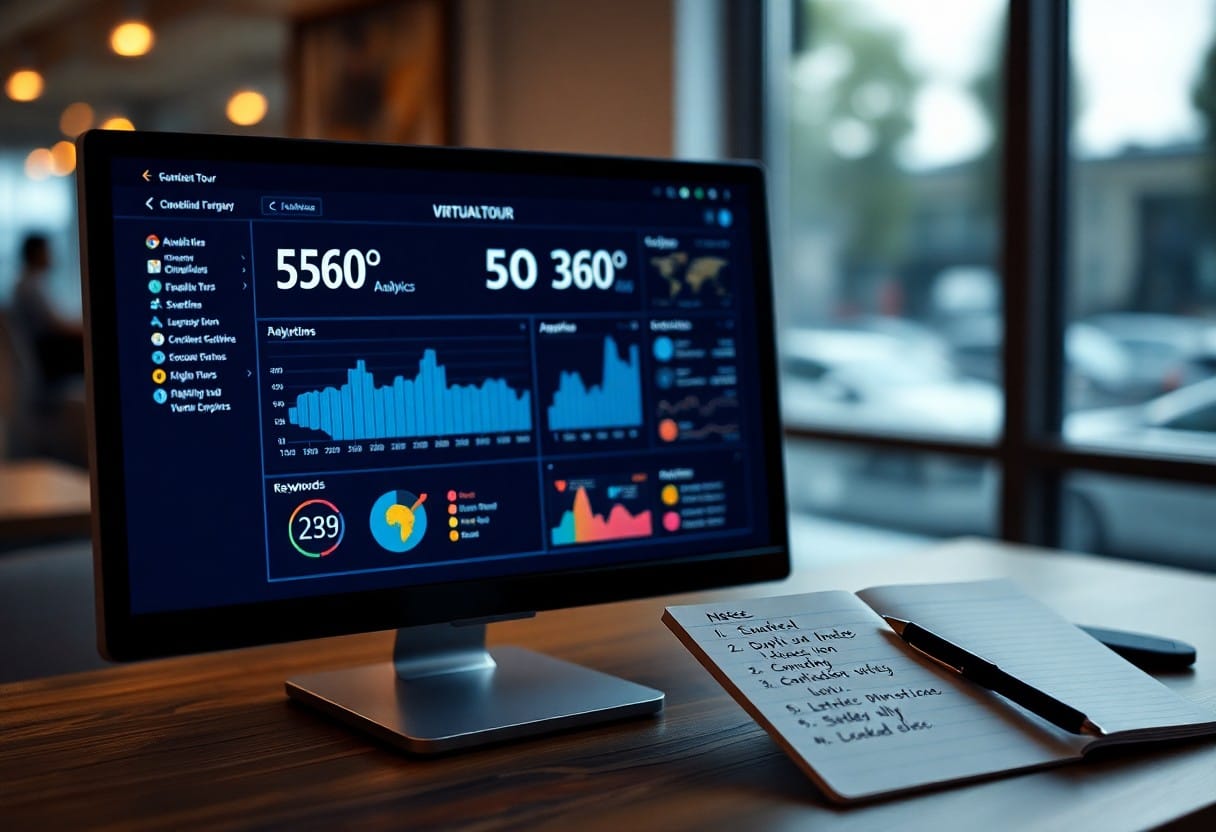
Many businesses overlook the power of meta tags and descriptions when optimising their 360° virtual tours for SEO. By effectively using these elements, you can improve your visibility on search engines. Meta tags provide information about your content and help search engine algorithms understand what your virtual tour is about. Ensure that you use relevant keywords to enhance the chances of appearing in search results.
The title tag is one of the most significant elements of SEO. It serves as a summary of your page and appears in search results, so you must create a compelling and accurate title. Including your primary keyword in the title tag can greatly enhance your search engine ranking, helping potential viewers find your virtual tour more easily.
Above all, your meta descriptions should provide a clear and concise summary of your virtual tour’s content. These descriptions appear in search engine results and can significantly influence a user's decision to click on your link. Make sure to include relevant keywords and keep your descriptions under 160 characters for optimal display.
Tags play a pivotal role in optimising your virtual tour. When crafting effective descriptions, ensure they are engaging and informative, drawing the viewer in. Use action-oriented language that compels users to explore your 360° experience. Incorporate your primary keywords naturally, avoiding overstuffing. A strong description not only boosts your SEO but also enhances the user experience, providing important information that prompts viewers to take action.
To seamlessly integrate 360° virtual tours into your website, consider using an embedded player that allows users to interact with the tour without navigating away from your site. This not only enhances user experience but also boosts your SEO by reducing bounce rates. Ensure that the tours are optimised for various devices, as mobile compatibility is vital for capturing a wider audience.
At the point of embedding your virtual tour, ensure that the code is clean and compliant with your website's design. Utilise responsive design techniques to maintain functionality across different screen sizes, and include informative captions or descriptions to add context. This approach helps not only with user engagement but also improves your site’s overall SEO performance.
For maximum interaction, integrate clear and compelling calls-to-action (CTAs) within your virtual tours. These could prompt users to book a visit, learn more about features, or sign up for newsletters. Positioning CTAs strategically within the tour can significantly increase conversion rates, guiding users towards taking desired actions.
And, when crafting your CTAs, make sure they are visually appealing and easy to locate. Use contrasting colours and concise text that encourages immediate action, such as “Explore Now!” or “Schedule Your Visit Today!” Placing these CTAs at key points within the tour elevates user engagement and ensures users have a clear path to follow. By fostering an interactive atmosphere with your CTAs, you enhance the likelihood of converting visitors into customers.
Once again, effectively promoting your 360° virtual tour online is necessary for reaching a wider audience. Utilise platforms like your website and social media channels to showcase your tour, driving engagement and encouraging shares. You can also refer to this insightful link about the 360 Virtual Tour: What Is It and How Can It Improve Your ... to enhance your SEO strategy.
After analysing your target audience, leverage social media platforms to share snippets or highlights from your virtual tour. Create compelling posts that encourage comments, shares, and discussions. Use visuals that capture attention, and don't forget to use relevant hashtags to increase visibility.
Behind the scenes, building links to your virtual tour can significantly improve its SEO. Collaborate with local businesses, tourism boards, or relevant bloggers to create core content, which links back to your tour. This not only enhances credibility but also increases your reach.
In addition, engaging in link-building and forming strategic collaborations can amplify your virtual tour's online presence. Seek backlinks from reputable sites related to your niche, as they significantly contribute to your authority on search engines. Joint ventures with complementary businesses can lead to mutual promotion, enhancing visibility and traffic for both parties. Take time to nurture these relationships; they can lead to not just better rankings but also increased engagement from your targeted audience.
Presently, optimising your 360° virtual tour for SEO involves incorporating relevant keywords into your tour descriptions, alt text, and titles. Ensure your virtual tour is hosted on a fast-loading platform and is mobile-friendly to enhance user experience. Additionally, integrate it with your Google My Business listing and promote it across your social media channels to drive traffic. Embedding your tour on your website and using local SEO strategies can also significantly improve visibility, helping potential customers find you more easily.
A: To enhance the visibility of your 360° virtual tour, begin by optimising the metadata associated with the tour. This includes incorporating relevant keywords into the title, description, and alt text of your images. Additionally, create a dedicated landing page for your virtual tour on your website, ensuring that it contains informative content and is well-structured with headings and internal links. Also, submitting your virtual tour to Google Street View can help index it more effectively, leading to better search rankings.
A: Yes, including your 360° virtual tour in your sitemap can significantly aid search engines in discovering and crawling your tour more efficiently. Make sure to update your sitemap whenever changes are made to your virtual tour or any related pages. This will help search engines index your content more quickly, thus improving the likelihood of it appearing in relevant search results.
A: Backlinks are highly beneficial for SEO, including your 360° virtual tour. Focus on obtaining backlinks from reputable websites within your industry or related fields. You could create high-quality content that others would find valuable, encouraging sharing and linking to your virtual tour. Additionally, consider collaborating with influencers or industry blogs that can help promote your tour, thereby increasing its authority and visibility.