Protect your 360° virtual tour from unauthorised use and duplication by implementing a range of effective security measures. You can use watermarks, digital rights management (DRM), and password protection to safeguard your content. Additionally, regularly monitor your tour's online presence to identify and address any potential infringement. By taking these steps, you can ensure that your hard work remains secure and exclusive, preserving the integrity and value of your virtual experience.
Copyright plays a vital role in safeguarding your creative work, ensuring that you are recognised as the creator and can control how it is used. By registering your 360° virtual tour, you significantly enhance your ability to protect it from unauthorised use or duplication. Understanding copyright will empower you to act against infringement and maintain the integrity of your work.
The importance of copyright in digital media lies in its ability to provide legal recognition and protection for your creations. Copyright grants you exclusive rights to reproduce, distribute, and display your work, helping you establish ownership and control over your 360° virtual tour.
The benefits of copyright protection are manifold and can significantly impact your creative endeavours. It not only deters potential infringers but also gives you the right to pursue legal action if your work is misused.
Understanding the benefits of copyright protection enables you to enjoy both peace of mind and financial rewards. By holding the exclusive rights to your 360° virtual tour, you can license your work to others, generating income and expanding your reach. Furthermore, it prevents misrepresentation and ensures that your work is not associated with content that does not align with your brand. Protecting your work is not just about legal rights; it is about preserving your creativity and ensuring you reap the rewards of your hard work.
It is necessary to consider licensing your 360° virtual tour to protect against unauthorised use or duplication. By implementing a robust licensing strategy, you can control access and distribution. Explore Strategies to keep your 360° campus tours safe and secure. A well-structured licensing agreement will not only safeguard your work but also allow you to leverage it for revenue generation.
Behind the various licensing options, you can ensure that your 360° virtual tour is appropriately protected. The different types of licenses typically include:
| Exclusive License | Grants only one user the rights to use your tour. |
| Non-Exclusive License | Allows multiple users to access your content. |
| Site License | Permits use within a specific location or institution. |
| Time-Limited License | Valid for a defined period. |
| Royalty-Free License | Users can use the tour for a one-time fee without ongoing payments. |
Knowing these options empowers you to make informed decisions regarding your content's protection.
Licensing your virtual tour involves drafting a comprehensive agreement that outlines all terms. This is your opportunity to clarify usage rights, payment terms, and documentation of how your content can be used.
The licensing agreement should include specific details to prevent potential misuse. Key elements to include are usage restrictions, payment obligations, and penalties for breach. Delineate how your content can and cannot be used, specifying the duration and exclusivity of rights. A well-defined agreement serves as your safeguard against unauthorised duplication, while also ensuring that you receive fair compensation for your creative work.
Keep your 360° virtual tour secure by implementing digital watermarks. This technique embeds identifiable information within your tour, ensuring that you can trace the source of any unauthorised use or duplication. By integrating watermarks, you create a protective barrier that enhances your ownership visibility and significantly deters unauthorised content sharing.
Any digital watermark is a technique used to embed information into a digital medium, such as images or videos, without affecting the original quality. This embedded data can include ownership details or copyright notices, making it easier to track and verify the authenticity of your virtual tour. It acts as a subtle yet powerful tool for protecting your intellectual property.
Implementing digital watermarks provides multiple benefits for your virtual tours, particularly in security and ownership. This method not only helps you assert your rights over the content but also enables you to maintain control over how it is used and shared in the digital landscape.
With digital watermarks, you gain the ability to identify and monitor your virtual tour's distribution. If you discover any unauthorised use, watermarks allow you to easily prove ownership, enabling you to take action against infringement. Additionally, this process enhances your professional credibility, showing clients that you take copyright protection seriously. By investing in watermarks, you're effectively safeguarding your work, ensuring it remains uniquely yours in a competitive market.
Your virtual tour can be safeguarded through the use of advanced technology. Implementing tools like watermarking, digital rights management (DRM), and encryption can help deter unauthorised duplication and use of your content. Utilising these technological measures ensures that you maintain control over how your virtual tour is accessed and shared, effectively protecting your investment.
Measures such as applying watermarks to your virtual tour can instantly indicate ownership, making unauthorised use less appealing. Additionally, employing password protection and secure hosting services creates an extra layer of defence, preventing unwanted access and safeguarding your work from potential theft.
Unauthorised access or distribution of your virtual tour can severely impact your creative efforts. Implementing monitoring solutions enables you to keep track of your content across various platforms. By detecting unauthorised use early, you can take prompt action to protect your intellectual property.
Understanding the significance of monitoring your virtual tour is vital to protecting your assets. You should regularly check for any instances of your content being mistakenly or illegally shared on other websites or platforms. By using state-of-the-art tools designed to track usage and copyright infringements, you'll be in a stronger position to defend your work. Bear in mind, that taking proactive steps not only enables you to detect misuse but also demonstrates your commitment to safeguarding your unique creation against potential threats.
After taking preventative measures, you may need to consider legal options for enforcement if your 360° virtual tour is used or duplicated without your consent. Protecting your intellectual property rights through legal means can help deter unauthorised usage and establish your ownership. Understanding the available legal avenues may empower you to take decisive action against infringers.
Along with legal action, a common first step is sending a cease and desist letter to the person or entity using your virtual tour unlawfully. This formal document asserts your rights and demands that the recipient immediately stop the infringing activity. Clearly outlining the legal basis for your claim can often prompt a swift resolution without needing to escalate the matter further.
To protect your interests, pursuing legal action may be necessary if other measures fail. This may involve filing a lawsuit against the infringer in a court of law. Engaging a lawyer who specialises in intellectual property can ensure you navigate the complexities of the legal system effectively and present a robust case.
This process can be both time-consuming and expensive, but it is often necessary for safeguarding your work. If successful, you may be entitled to damages or an injunction preventing further infringement. It is important to weigh the potential outcomes against the costs involved, as legal action can serve as a strong deterrent against future unauthorised use of your 360° virtual tour.
Not only is it important to protect your 360° virtual tour, but it is equally imperative to educate your audience about the significance of respecting intellectual property. By guiding your viewers on the proper use of your content, you can foster a culture of appreciation and responsibility, reducing the likelihood of unauthorised sharing or duplication.
One key aspect of safeguarding your virtual tour is raising awareness among your audience about the impact of unauthorised use and duplication. When viewers understand the potential consequences, both for creators and users, they are more likely to respect your work and follow the prescribed guidelines.
By establishing clear usage guidelines, you provide your audience with a framework to understand how to interact with your 360° virtual tour appropriately. These guidelines should outline what is permitted, any restrictions, and the importance of giving credit where it's due.
Even more importantly, these guidelines should state that any unauthorised reproduction or distribution of your virtual tour could lead to legal action. List what constitutes fair use and highlight the benefits of supporting your work, such as receiving updates and exclusive content. This clarity will help ensure that your audience feels valued and understood while effectively protecting your intellectual property.
To wrap up, protecting your 360° virtual tour from unauthorised use or duplication involves several effective strategies. You should consider watermarking your content, implementing digital rights management (DRM) tools, and setting restrictions on sharing and embedding options. Additionally, using low-resolution images can deter theft while still allowing viewers to engage with your tour. Regularly monitoring the internet for unauthorised use can further safeguard your intellectual property. By taking these proactive measures, you can maintain control over your virtual tour and ensure its integrity.
A: To prevent unauthorised downloads of your 360° virtual tour, you can utilise various protective measures. First, consider watermarking your tour with your logo or branding to indicate ownership, thereby discouraging potential misuse. Additionally, you may employ technical solutions such as disabling right-click options and using HTML5 or other embedding technologies that restrict downloading capabilities. Furthermore, consider implementing a licensing agreement for users who wish to access your content, which clearly states the terms of use and outlines the consequences of infringement.
A: Yes, it is entirely possible to restrict access to your 360° virtual tour. You can set up a user authentication system, requiring users to log in with unique credentials before gaining access to the tour. This ensures that only selected individuals can view the content. Additionally, you can create membership tiers or subscription plans that allow for controlled access based on user roles or permissions. Employing this approach not only protects your virtual tour but also offers another layer of interaction with your audience.
A: Monitoring the use of your 360° virtual tour can be achieved through various analytic tools. By integrating web analytics software, you can track user engagement, including the number of views, duration of visits, and the geographical location of your audience. Suspicious patterns, such as a spike in traffic from unfamiliar sources, may indicate unauthorised use. Additionally, consider implementing a Digital Rights Management (DRM) solution that provides detailed reports on content access and usage. This can help you identify potential violations and address them promptly.
Technology is rapidly evolving, and 360° virtual tour technology is no exception. As you explore the future of this immersive experience, you'll discover enhancements in interactivity and real-time updates that will revolutionise your engagement with digital environments. The incorporation of artificial intelligence is set to enrich personalisation, while augmented reality elements will enhance your narrative experience. This blog post will guide you through the emerging trends you need to watch, ensuring you stay ahead in the digital landscape.
For decades, 360° virtual tour technology has transformed the way you experience environments digitally. Initially emerging as simple panoramic images, this technology has evolved, integrating interactive elements and advancements in imaging techniques. As your expectations for immersive experiences grow, so too does the sophistication of virtual tours, aiming to deliver increasingly realistic environments that mirror reality.
About two decades ago, the concept of virtual tours began to take shape, primarily in the real estate sector. Early iterations were rudimentary but provided a glimpse of what was possible. As the internet expanded and technology advanced, more industries recognised the potential of virtual tours, paving the way for the immersive experiences you see today.
For 360° virtual tour technology to thrive, several technological advancements have played a pivotal role. This includes innovations in camera technology, enabling high-resolution imagery, as well as the rise of virtual reality (VR) and augmented reality (AR) that enhance interactivity and user engagement. Additionally, the implementation of cloud-based platforms ensures seamless sharing and accessibility, allowing you to explore diverse environments from anywhere in the world.
The evolution of the technology continues to bring forth new features that enhance your experience. The integration of artificial intelligence is offering personalised tours tailored to your preferences, while real-time rendering provides smoother navigation and interaction. As these advancements emerge, immersive storytelling becomes possible, allowing you to engage with content on a deeper level. This continuous evolution ensures that your future engagements with virtual tours will be more enriching and tailored than ever before.
Some industries are already harnessing the potential of 360° virtual tour technology to enhance customer experience. For instance, real estate, education, healthcare, and tourism have adopted immersive virtual tours, transforming how services are presented and experienced. These applications not only create engaging interactions but also facilitate informed decision-making for clients across various sectors.
Among the most notable sectors using 360° virtual tours is real estate. This technology allows you to explore properties from the comfort of your own home, providing a comprehensive view of listings. Potential buyers can visualise living spaces, evaluate layouts, and gauge property dimensions without the need for physical visits, streamlining the home-buying process significantly.
Various institutions are increasingly integrating 360° virtual tours into their educational resources. By creating immersive learning environments, you can benefit from interactive simulations that allow for practical experience in real-world scenarios without the inherent risks. This powerful tool enhances engagement and promotes a deeper understanding of complex subjects.
Indeed, 360° virtual tours in education bring significant advantages. They provide a safe environment for you to explore potentially dangerous situations, such as laboratory experiments or emergency response training, helping eliminate risks while ensuring you gain crucial hands-on experience. Additionally, these tours encourage collaboration and exploration, allowing you to navigate spaces and scenarios at your own pace, and fostering independent learning. With the ability to access diverse learning environments, you can significantly enhance your skills and knowledge retention.
Despite the rapid advancements in technology, user experience remains a pivotal focus in the development of 360° virtual tour solutions. As users engage with these tours, their expectations for intuitive interfaces, accessibility, and engaging content continue to evolve. The future will see an emphasis on seamless experiences that cater to diverse audiences, ensuring that every virtual journey is both captivating and easy to navigate.
At the heart of improved user experiences lies enhanced interactivity, where you can expect features that allow for real-time engagement and personalisation. By integrating gamification elements and responsive prompts, users will be empowered to interact with their environment in meaningful ways, creating a more dynamic and responsive virtual space.
With the rise of immersive storytelling, your experience in virtual tours is poised to transform completely. The integration of rich narratives into 360° environments allows for a deeper emotional connection, enhancing your overall engagement.
Consequently, immersive storytelling transforms your perception of virtual tours by layering interactive narratives into the experience. You might find yourself drawn into a compelling story that unfolds as you navigate the environment, allowing for a greater emotional investment. By integrating multimedia elements such as audio, video, and animations, the narrative enhances your understanding and fosters a more memorable experience, ultimately reshaping how you connect with the virtual world around you.
Many businesses are recognising the potential of integrating 360° virtual tour technology with Augmented Reality (AR) and Virtual Reality (VR). This combination enhances user experience by allowing you to immerse yourself in a virtual environment while interacting seamlessly with digital elements. As the appeal of these technologies grows, you can expect to see innovative applications across various sectors, from real estate to tourism, where potential customers can explore spaces more engagingly and interactively.
Besides offering immersive experiences, the integration of AR and VR with 360° virtual tours helps you bridge the gap between the digital and physical worlds. This convergence allows you to visualise properties or products more realistically, facilitating enhanced decision-making. With this technology, the lines between what is virtually possible and what is physically tangible continue to blur.
The future of 360° virtual tour technology integrated with AR and VR holds immense innovation potential. As you navigate these advancements, you will likely encounter real-time interactions and customisable experiences, enabling you to personalise virtual tours to suit your preferences. The merging of these technologies can offer unparalleled accessibility and engagement, making it easier for you to connect with spaces, products, or services like never before.
Future advancements will enable you to experience enhanced interactivity, allowing you to manipulate and explore your environment in ways previously unimagined. Additionally, the incorporation of artificial intelligence could tailor suggestions based on your preferences, creating a dynamic user experience. As a result, virtual tours will not only enhance your understanding of a space but also provide a sense of presence that makes you feel like you're truly there. With ongoing developments, this integration will reshape how you perceive and interact with the world around you.

After the integration of Artificial Intelligence (AI), virtual tours are becoming more immersive and engaging. AI enhances user experience by providing real-time interactions, automating content generation, and improving analytics. As you explore virtual environments, AI can adapt scenarios to fit your preferences, making the tours not only more relevant but also more captivating, ultimately transforming how you engage with spaces.
Personalisation in virtual tours allows you to tailor your experience based on individual interests and preferences. As AI algorithms analyse your behaviour, they can modify the content, suggest relevant locations, and even adjust the settings to match your desires. This level of customisation ensures that every virtual tour feels unique, reflecting your personal journey rather than a one-size-fits-all approach.
Around the world, businesses are leveraging data analytics to gain insights into how users interact with virtual tours. This data not only helps in refining the experience but also assists in understanding what captivates your attention and drives engagement. By analysing patterns, companies can tailor marketing strategies and improve content delivery, ensuring a richer experience for you.
And with the power of AI, the depth of data analytics is unprecedented. You gain insights about visitor behaviour, preferences, and engagement rates, allowing for refined marketing strategies. Furthermore, a strong emphasis on user feedback can lead to significant improvements in tour features. However, you should note that reliance on analytics also poses risks, as data privacy concerns might arise if personal information is mismanaged. Balancing innovation with ethical considerations is imperative to ensure a safe and enjoyable experience for all users.
Not every business can seamlessly integrate 360° virtual tour technology due to its inherent challenges. Factors such as high costs, the need for specialised equipment, and technical expertise often deter organisations from adopting this innovative tool. For a deeper understanding of the hurdles ahead, you might explore The Future Of 360 Virtual Photography.
Around the globe, many potential users face technical barriers, including limitations in hardware and software compatibility. High-quality 360° virtual tours often require advanced cameras and editing software, which can be financially prohibitive. Additionally, if your equipment is not up to date, the final product may not achieve the professional standard expected.
Across various industries, user adoption issues remain persistent obstacles for 360° virtual tours. Many organisations struggle to convince stakeholders of the value this technology offers, often resulting in underutilisation or scepticism about its return on investment.
This challenge is significant, as user acceptance is necessary for effective implementation. Often, companies find that staff training and education about 360° virtual tours fall short, meaning employees feel uncertain about this new technology. Moreover, the lack of user-friendly interfaces can lead to frustration, further hindering adoption. By cultivating an environment that promotes understanding and ease of use, you can encourage your team to embrace this innovative tool, potentially unlocking considerable value for your organisation.
Following this, you can expect significant advancements in 360° virtual tour technology, including enhanced interactivity and integration with augmented reality. As hardware becomes more accessible, your experiences will become richer, enabling more detailed and immersive environments. Additionally, improvements in artificial intelligence will allow for personalised tours tailored to your preferences. As connectivity continues to evolve, live-streamed virtual tours will become commonplace, providing real-time interaction with guides. Embracing these trends will undoubtedly enrich your understanding and exploration of various spaces through virtual means.
A: The future of 360° virtual tour technology is poised for several advancements, particularly in the areas of augmented reality (AR) integration, enhanced resolution, and artificial intelligence (AI). AR will allow users to interact with virtual elements within the real world, creating a more immersive experience. Additionally, improvements in camera technology will lead to higher resolutions and better stitching techniques, resulting in more seamless and lifelike virtual environments. AI will play a significant role in personalising tours based on user preferences and behaviours, making virtual experiences even more engaging.
A: As technology evolves, the user experience in 360° virtual tours is likely to become more immersive and intuitive. Future developments may include more sophisticated navigation tools, voice commands, and gesture controls, allowing users to explore virtual spaces more freely. Furthermore, social features may be integrated, enabling real-time interaction with other users or guides during virtual tours. Such innovations are expected to enhance engagement, making virtual tours not just a solitary experience, but a more communal activity.
A: Various industries stand to gain significantly from enhanced 360° virtual tour technology. The real estate sector is one of the most prominent, as virtual tours can provide potential buyers with an immersive property viewing experience. The tourism and hospitality industry will also benefit by offering virtual explorations of destinations, thereby attracting more visitors. Additionally, education and training sectors are likely to see improvements, with virtual field trips and simulations providing practical learning experiences without the need for physical presence. These advancements are expected to transform how businesses engage with clients and customers.
There's a growing interest in using 360° virtual tours for showcasing both indoor and outdoor spaces. These immersive experiences allow you to explore your environment from the comfort of your own device, enhancing engagement and interest. Whether it’s for real estate, tourism, or event planning, these tours provide a unique, interactive perspective that traditional photographs cannot match. By leveraging this technology, you can effectively attract and inform your audience, ensuring that they walk away with a profound understanding of the spaces you are showcasing.
To gain a comprehensive understanding of 360° virtual tours, you must consider their immersive nature. These tours allow users to experience spaces as if they were physically present, enabling virtual navigation through various environments, both interior and exterior. By leveraging panoramic imagery, these tours create a sense of depth and realism that traditional photos cannot match.
Between the realms of technology and creativity, 360° virtual tours offer a dynamic way to showcase spaces. They combine photography and digital techniques to create an engaging experience that allows you to explore locations at your own pace, providing an interactive alternative to static images or videos.
Any discussion of 360° virtual tours involves the advanced technologies that enable such experiences. Primarily, these tours utilise 3D scanning and photogrammetry to capture detailed environments, while specialised software stitches together images into seamless views. Furthermore, interactive hotspots enhance engagement by allowing you to access additional information about specific areas within the tour.
Tours are made possible through a combination of sophisticated cameras and software platforms. The technology employs high-resolution imagery to ensure clarity and detail, providing an authentic look at the space. Importantly, virtual tours also utilise virtual reality (VR) capabilities, allowing you to experience environments in an even more immersive manner. The integration of these elements empowers you to showcase your properties, businesses, or locations effectively, engaging potential visitors and clients like never before.
Assuming you incorporate 360° virtual tours into your indoor spaces, you can significantly enhance the visitor experience. These immersive tools allow potential clients or guests to explore your environment at their own pace, providing them with a deeper understanding of your offerings. By showcasing the intricacies of your space, you can build a stronger connection and increase interest in your services.
For indoor spaces, 360° virtual tours create a captivating experience that draws users in. As they navigate through your space, viewers can discover unique features and details that may not be captured in traditional photos. This interactive element keeps them engaged longer, increasing the likelihood of conversions and positive impressions.
Indoor spaces often have constraints that limit the ability of some individuals to visit physically. By offering 360° virtual tours, you break down these barriers and provide equal access to everyone. This means that individuals with mobility issues, those living far away or anyone unable to visit can still experience your venue remotely.
And by implementing 360° virtual tours, you ensure that all individuals feel welcome, regardless of their circumstances. This not only promotes inclusivity but also broadens your audience. Making your space accessible digitally not only complies with regulations but also demonstrates your commitment to providing a comprehensive experience for everyone. Plus, a well-executed virtual tour can lead to increased traffic and interest from those who may not have otherwise considered your venue.

All outdoor spaces can benefit significantly from 360° virtual tours. They offer a unique way to engage potential visitors by presenting stunning visuals and immersive experiences. By allowing you to explore parks, gardens, and other attractions from the comfort of your own home, these tours enhance your understanding and appreciation of the environment. This innovative approach not only attracts more visitors but also promotes conservation and stewardship of outdoor spaces, enhancing your overall experience.
Between the vibrant colours of blooming flowers and the vastness of breathtaking vistas, 360° virtual tours allow you to experience landscapes and attractions in stunning detail. You can seamlessly navigate through different areas, giving you a thorough understanding of what awaits you on your next outing. By showcasing these locations in such an engaging manner, these tours entice you to explore and appreciate the beauty of nature first-hand.
The ability to interact with outdoor environments enhances your engagement and enjoyment. 360° virtual tours allow you to *explore* different features at your own pace, whether it’s walking along a scenic trail or viewing crucial information about plants and animals. By providing *interactive* elements, such as clickable hotspots or multimedia content, these tours transform passive viewing into an enriching experience.
Virtual tours not only showcase the natural beauty of outdoor spaces but also *empower* you with interactive features that engage your curiosity. You can gain valuable insights into the history, ecology, and cultural significance of the area, making your virtual experience as informative as it is enjoyable. By actively engaging with the content, you can *safeguard* important details about the environment, inspiring a deeper respect and appreciation for the natural world.
Once again, effective virtual tours can significantly enhance user engagement. To ensure your virtual tours are successful, consider following the best practices outlined in The Ultimate Guide to Virtual Tours | Cvent Blog. Focus on creating immersive experiences by incorporating high-quality visuals, informative descriptions, and seamless navigation to guide your audience thoughtfully through the space.
One of the most important aspects of developing a virtual tour is planning and preparation. You should identify your goals, target audience, and the key features of the space you want to highlight. Mapping out your tour beforehand will ensure that you present the most engaging aspects of your environment, providing a comprehensive and memorable experience for viewers.
For creating high-quality virtual tours, your choice of technology and software can significantly impact the final result. Various platforms and tools are available, each offering different features to suit your needs.
Selecting the right technology is a defining factor in the quality of your virtual tour. Look for options that offer high-resolution imaging, user-friendly interfaces, and integration capabilities with other marketing tools. Consider investing time in exploring 360-degree cameras and software that allow you to incorporate interactive elements, enhancing the overall viewer experience. This approach can greatly influence how well your audience engages with your content and the impression they take away.
For various industries, 360° virtual tours offer innovative ways to showcase both indoor and outdoor spaces. You can create immersive experiences that engage your audience, allowing them to explore properties, attractions, or venues from the comfort of their own home. This technology not only enhances your marketing strategy but also provides invaluable insights into how spaces can be perceived and utilised.
Besides traditional photos, 360° virtual tours significantly elevate the way you present properties to potential buyers or tenants. They allow you to showcase every corner of a home, giving viewers a true feel of the space. This interactive approach can help you stand out in a competitive market and facilitate quicker decision-making processes.
Tours using 360° virtual technology allow you to provide prospective visitors with a realistic preview of your destination, hotel, or restaurant. This not only enhances their experience but also increases the chances of them booking a stay or visit.
Considering that visual content significantly influences consumer choices, implementing 360° virtual tours in tourism and hospitality can yield exceptional results. You can highlight the unique features of your establishment, immersing potential guests in the atmosphere you offer. This approach not only boosts visibility but encourages positive engagement with your brand, making it easier for customers to envision their experience. With an enticing virtual representation, you enhance your ability to attract and convert visitors, ensuring they choose your business over others.
Keep in mind that while 360° virtual tours offer myriad benefits, you may encounter specific challenges and considerations that require attention. For instance, lighting conditions, spatial constraints, and the technology used can affect the quality and effectiveness of the virtual tour. Additionally, costs and resources for creating high-quality content should be taken into account to ensure your investment meets your expectations.
To successfully implement 360° virtual tours, be aware of potential technical limitations. Factors such as internet bandwidth, device compatibility, and software capabilities may impact the user experience. Carefully assess the quality of your equipment and ensure that your audience can access the tours without disruptions.
An important aspect of creating 360° virtual tours revolves around user experience factors. You should focus on providing intuitive navigation, engaging content, and maintaining a smooth performance across devices. Consider the following elements to enhance user satisfaction:
Recognising these factors will significantly improve the overall engagement and effectiveness of your virtual tours.
Factors such as loading speed, visual quality, and ease of navigation directly influence how visitors engage with your virtual tours. Poorly executed tours can lead to frustration and drop-offs in interest. The key elements to focus on include:
Recognising these critical aspects ensures a positive visitor experience and encourages users to explore your indoor and outdoor spaces fully.
As a reminder, you can utilise 360° virtual tours for both indoor and outdoor spaces, enhancing your ability to showcase properties, venues, or locations effectively. These immersive experiences provide an engaging platform for your audience, allowing them to explore environments from the comfort of their own devices. By integrating virtual tours into your marketing strategy, you can captivate potential clients, boost engagement, and ultimately drive interest in your offerings. Embrace this innovative technology to elevate your presentations and enhance the way you interact with your audience.
A: Yes, 360° virtual tours can be utilised for both indoor and outdoor spaces. They are highly versatile and can effectively showcase a variety of environments. For indoor spaces, such as homes, offices, or museums, virtual tours can help prospective buyers or visitors navigate through the corridors and rooms, providing a realistic and immersive experience. Similarly, for outdoor spaces like parks, gardens, or event venues, these tours can capture the beauty and layout of the area, allowing users to explore at their own pace. This versatility makes them an excellent tool for various industries, such as real estate, tourism, and event planning.
A: To create a 360° virtual tour, you will need specific equipment that can capture panoramic images. The most common tool is a 360° camera, which can be easily found and is designed for this purpose. Some popular models include the Ricoh Theta series, Insta360 cameras, and the GoPro Max. In addition to the camera, you may also need a tripod for stability, especially in outdoor settings. After capturing the images, specialised software or platforms like Matterport or Kuula can be used to stitch the images together and create the final virtual tour. For best results, it is also advised to have good lighting, particularly in indoor settings, to enhance image quality.
A: Promoting your 360° virtual tours can be achieved through various marketing strategies. Start by sharing the tours on your website and social media platforms, as this will increase visibility. Utilising SEO techniques, such as relevant keywords and tags, can help potential viewers discover your content through search engines. Consider creating engaging content like blog posts or videos that highlight the features of the spaces showcased in your tours. Additionally, reaching out to local businesses, real estate agents, or event organisers for partnerships can further broaden your audience. Lastly, using email marketing to inform existing clients about your virtual tours can also contribute to greater engagement and interest.
Restrictions in 360° virtual tours can affect how you create and share your immersive experiences. You may encounter legal limitations regarding copyright and privacy, particularly when featuring individuals or private properties. Some platforms also impose technical restrictions on uploading file sizes or formats. Additionally, consider the accessibility challenges for various audiences, as not everyone may have the required technology to view your content. Understanding these limitations will help you navigate the world of virtual tours more effectively.
A variety of legal restrictions exist that might affect the creation and distribution of 360° virtual tours. You must be aware of regulations governing copyright, intellectual property, and privacy, as failure to comply can lead to significant legal repercussions.
With 360° virtual tours, it's imperative to respect copyright and intellectual property rights. You should ensure that any images, audio, or video content you use are either originally produced or obtained with the necessary permissions. Be cautious not to infringe on others' works, as this could lead to serious legal disputes.
Restrictions apply when it comes to privacy laws and obtaining consent for capturing individuals in 360° virtual tours.
And, when creating virtual tours, you must navigate privacy laws that protect individuals' rights. If your tour includes people in public or private spaces, it is vital to secure explicit consent to feature them. Failure to do so could result in claims of violation of personal rights, leading to potential lawsuits or fines. Additionally, always consider data protection regulations, ensuring that you handle any personal information responsibly and in accordance with the law.
Some technical limitations can affect the effectiveness of 360° virtual tours. Issues such as resolution limitations and frame rates can impact the overall experience. Additionally, it is imperative to be aware of the differences between virtual tours and other immersive media. For further clarity, you can explore Understanding the Difference Between 360 Virtual Tours And ....
The quality of your 360° virtual tour heavily depends on your equipment and software. High-resolution cameras and appropriate software are vital for creating a polished product. You must ensure that both your hardware and software are compatible to maximise the tour's visual impact.
Besides equipment, internet connectivity plays a significant role in the seamless delivery of 360° virtual tours. A strong and stable connection is necessary to ensure smooth operation.
Limitations in internet connectivity can substantially affect your virtual tour experience. Slow or unreliable connections often lead to buffering, which can result in frustrating interruptions. Additionally, if users are unable to load the tour efficiently, they may miss out on its interactive features. It’s imperative to advise users to access the tour on a high-speed connection for the best experience possible.
After understanding the technical aspects of 360° virtual tours, it's crucial to recognise the limitations regarding content. Various platforms may impose restrictions to ensure that virtual tours comply with legal and ethical standards. Being aware of these restrictions helps you create content that aligns with platform guidelines and avoids potential penalties.
Prohibited locations include sensitive areas such as military facilities, private properties without permission, and certain public places where photography is restricted. If you plan to include such locations in your virtual tour, it's important to seek permission or verify the regulations beforehand to avoid legal issues.
Any content considered offensive, misleading, or illegal in nature is typically not allowed in virtual tours. This includes hate speech, graphic violence, or adult material. Your virtual tour must adhere to community standards and respect the diverse audience that may view your content.
Hence, you should ensure that the content in your 360° virtual tour is appropriate for all audiences, avoiding any offensive material or misleading information. Additionally, adhering to community guidelines not only helps you maintain a positive reputation but also protects you from penalties that could arise from inappropriate content. Always aim for a respectful and informative approach in your virtual tours.

To ensure that everyone can benefit from 360° virtual tours, it is imperative to address various accessibility considerations. Incorporating features such as keyboard navigation, screen reader compatibility, and alternative text for images can enhance the experience for users with disabilities. By prioritising these aspects, you create an inclusive environment that allows a wider audience to engage with your virtual content efficiently.
Among the key factors to focus on is adherence to recognised accessibility standards, such as the Web Content Accessibility Guidelines (WCAG). Compliance with these guidelines helps ensure that your virtual tours are navigable and usable by all individuals, regardless of their abilities, ultimately broadening your audience reach.
Audiences benefit from thoughtfully designed 360° virtual tours that recognise their varied needs and preferences. Enhancing user experience means making your tours intuitive and accessible, leveraging features like adjustable text sizes, audio descriptions, and language options. Tailoring these elements will significantly improve engagement for all users.
Also, by considering diverse audiences, you have the opportunity to elevate the overall experience of your virtual tour. This could involve creating bespoke content for individuals with sensory impairments or designing intuitive interfaces for elderly users who may not be as tech-savvy. Implementing user feedback can help you make necessary adjustments, leading to a more inclusive experience. Additionally, offering different modes of interaction can accommodate various learning styles, thereby enhancing the understanding and enjoyment of your virtual tours.
Once again, when engaging in 360° virtual tours, it’s important to be aware of the commercial use restrictions. These may vary depending on the platform or service provider you employ. Typically, using virtual tours for advertising, marketing, or profit generation might necessitate obtaining additional permissions or licenses, ensuring your usage complies with relevant laws and terms of service.
About licensing agreements, you should understand that they govern the terms under which you can use the 360° virtual content. These agreements often outline limitations on distribution, modification, or resale, so be vigilant to avoid unintentional infringements that could lead to legal complications.
Against your better judgment, overlooking brand representation and credibility within your 360° virtual tours can be detrimental. The visual content associated with your brand should align with your overall image, ensuring that your representations are both accurate and trustworthy. Any discrepancies or misrepresentations in your virtual tours could significantly harm your brand's credibility.
Agreements regarding brand representation and credibility are important in maintaining a positive public image. You must ensure that your 360° tours effectively showcase your brand values and messaging. Any misleading visuals or information can distort consumer perception, ultimately affecting customer trust. Therefore, align your virtual tour content with your brand standards and provide a genuine experience to enhance your brand's reputation.
Keep an eye on the evolving landscape of 360° virtual tours, as innovations and consumer expectations continue to rise. The integration of augmented reality (AR) and artificial intelligence (AI) is anticipated to enhance user experiences, making virtual environments even more interactive and immersive. Moreover, as technology advances, you can expect higher resolutions and faster loading times, which will improve accessibility for all users.
Along with these advancements, the use of wearable devices and improved internet connectivity will contribute significantly to the popularity of 360° virtual tours. This evolution will allow you to explore environments in real time, offering a more authentic experience that can be enjoyed from the comfort of your own home. Integration with social media platforms will enable you to share your experiences effortlessly, increasing reach and engagement.
Against this backdrop of innovation, it is vital to remain aware of the shifting regulations surrounding 360° virtual tours. With the rise in digital content, governing bodies are implementing guidelines that protect user privacy and ensure accessibility. Compliance with these evolving laws is vital for you to avoid potential legal issues.
In addition, as legislation adapts to technological growth, you need to stay informed about best practices in creating virtual tours. This includes ensuring that your content is accessible to all users, adhering to data protection regulations, and maintaining ethical standards in your representations. By doing so, you not only safeguard yourself against legal ramifications but also foster a positive user experience and build trust with your audience.
Following this, you must be aware that while 360° virtual tours offer enhanced visual experiences, they may involve certain restrictions or limitations. These can include copyright issues regarding the images or content used, technical constraints related to internet connectivity, and potential difficulties in capturing all areas of a space comprehensively. Additionally, consider privacy concerns as you share such content. Being informed about these factors will enable you to maximise the effectiveness of your virtual tours while adhering to the necessary guidelines and protocols.
A: Yes, certain restrictions may apply depending on the type of property. For instance, some locations might have regulations regarding photography and videography, particularly in residential areas where privacy is a concern. Additionally, commercial properties might require permission from property owners or governing bodies before creating a virtual tour. Always check local laws and obtain necessary approvals to ensure compliance.
A: Yes, 360° virtual tours can be created for properties under construction, but there may be limitations. For example, the tour may not accurately reflect the final design, and safety considerations must be taken into account. It is important to ensure that the construction site is safe for visitors and that all relevant permits are in place to avoid legal issues.
A: There is generally no strict limit to the number of virtual tours a property can have, but practical considerations may apply. For instance, maintaining multiple versions of a tour can be resource-intensive, and excessive versions could confuse potential viewers. Additionally, if the property undergoes significant changes, it would be wise to update the virtual tour to reflect the current state accurately. Ultimately, it's best to focus on creating high-quality, informative tours rather than quantity.
There's a myriad of legal considerations to ponder when crafting a 360° virtual tour. You must ensure that you have the appropriate permissions to feature any property or people included in your visuals. Copyright laws also apply to any content you use, so it’s vital to seek licences where necessary. Additionally, consider potential privacy issues that may arise if individuals are identifiable in your tour. Informing yourself about these legalities will help you avoid costly disputes and protect your creative undertaking.
The creation of a 360° virtual tour involves various copyright and intellectual property considerations that you must navigate carefully. You need to be aware of who holds the rights to the images, videos, and other content you utilise. Protecting your work legally is necessary to avoid potential disputes and infringement claims.
Any images or content used in your virtual tour must be correctly attributed and owned by you or licensed for use. If you capture the content yourself, you automatically hold the copyright; however, if you source images or videos from others, ensure you have the necessary permissions to avoid infringements.
At the same time, securing the right licensing agreements is vital if you intend to use third-party content in your virtual tour. This ensures that you have the legal right to use the images or materials, protecting you from potential future legal actions. Properly drafted agreements may also outline usage limitations, duration, and the scope of how you can use the content, which is fundamental for safeguarding your project.
Agreements should stipulate compensation terms, ownership rights, and any limitations on use that may apply. Without a comprehensive and well-understood agreement, you risk facing challenges that could hinder your project or result in costly legal disputes. Always engage with reputable sources for licensing to provide you with high-quality content under clear terms, helping ensure your virtual tour remains both engaging and legally compliant.
Some individuals may feel uncomfortable being filmed or photographed, raising privacy issues when creating a 360° virtual tour. It's crucial to be aware of and address these concerns to ensure that you respect the rights of people who may be captured in your content. Obtaining the necessary permissions and being transparent about how the virtual tour will be used can help maintain trust and avoid potential legal disputes.
Release forms are vital for informing participants about their appearance in your virtual tour. By securing written consent, you safeguard yourself against potential claims of invasion of privacy or damage to reputation. Ensuring that individuals are aware of what their image or likeness will be used for is crucial for compliance and ethical practice.
One significant aspect of creating a virtual tour is compliance with data protection laws, particularly in the UK, where the General Data Protection Regulation (GDPR) applies.
Failure to comply with GDPR can lead to severe penalties, making it crucial to process any personal data you collect responsibly. You must inform individuals about how their data will be used, stored, and shared, seeking their explicit consent where necessary. Secure data management practices and the ability to delete or modify data upon request are key responsibilities you need to uphold. Understanding these laws will also enhance your credibility and trustworthiness in the eyes of your audience.
Now, as you launch on creating a 360° virtual tour, it is vital to consider the accessibility standards that ensure all users can navigate and enjoy your content. This includes adhering to guidelines that cater to individuals with disabilities. For insights on attracting wider audiences, explore Why Invest in 360-Degree Tours and How to Get Started.
Standards set out by the Americans with Disabilities Act (ADA) require that your virtual tour is accessible to all, including those with visual or auditory impairments. Incorporating features such as audio descriptions, keyboard navigability, and captions not only adheres to legal requirements but also enhances user engagement.
Inclusive design is paramount when creating virtual tours. Ensure your platform is compatible with screen readers and features alternative text for images. Additionally, providing multiple navigation options allows users with different abilities to access your content effectively. Engaging with diverse audiences during the design process can uncover valuable insights that enhance your tour’s accessibility.
Best practices also include regularly testing your virtual tour for accessibility compliance, offering clear instructions for navigation, and seeking feedback from individuals with disabilities. By taking these steps, you not only meet legal requirements but also create a more welcoming environment for all users, which can significantly boost your audience reach and engagement.
Once again, it is imperative to address contracts and liability when creating a 360° virtual tour. You must establish clear agreements with all parties involved to outline particular responsibilities and manage potential liabilities. Your contract should specify ownership rights, usage permissions, and any limitations on liability to protect yourself in case of disputes.
Liability is a key concern in service agreements with vendors. You should ensure that your contract clearly defines each party's obligations and explicitly outlines liability clauses. This will help minimise your risk and ensure that vendors are accountable for any damages or issues arising during the virtual tour's creation.
Around the creation of your 360° virtual tour, it's wise to evaluate your insurance needs. Consider obtaining general liability insurance to protect yourself from claims related to property damage or personal injury that could arise while working on-site. Your policy should also include coverage for your equipment and any potential mishaps that could occur during the recording process. Review your insurance options to ascertain that you have comprehensive coverage that shields you against the various risks associated with producing a virtual tour.
Contracts are not merely formalities; they play an integral role in safeguarding your business interests. By detailing responsibilities, you establish a clear framework for your collaboration with vendors. Your contract should also protect against unforeseen events that could lead to financial loss. Focusing on well-structured contracts will ensure that you have recourse should any disagreements arise, thereby helping you mitigate risks while allowing you to focus on creating an engaging virtual experience.
Unlike traditional media, creating a 360° virtual tour involves navigating a complex web of platforms and distribution rights. You must ensure that you fully understand the terms and restrictions associated with the platforms where you intend to host your virtual tour. This includes knowing what rights you maintain over your content, as well as any limitations imposed by hosting services.
Service agreements with hosting platforms often contain specific stipulations regarding the ownership and distribution of content. You should meticulously review these terms to ascertain your rights concerning the virtual tour you create. This includes understanding whether you retain full rights to your content or if the platform holds any claims to it.
Rights granted by hosting platforms can vary significantly, with some enforcing stringent distribution restrictions. Be aware that certain platforms may limit your ability to share or monetise your virtual content freely. This could impact your overall reach and profitability.
Content distribution restrictions can pose significant challenges to your virtual tour’s visibility and monetisation. You may face limitations on where and how you can market your tour, affecting your potential audience size. Always clarify any exclusive distribution agreements that might prevent you from sharing your work on other platforms. Understanding these restrictions is imperative to avoid legal pitfalls that could jeopardise your project's success.
All virtual tours must adhere to local regulations and obtain necessary permits. Understanding the specific legal framework in your area is crucial to avoid any unexpected legal issues. Compliance with these regulations can significantly impact the success of your project, ensuring that you operate within the law and protect your interests.
Laws concerning zoning govern the use of land and property types in specific areas. It is important to verify if your intended location permits commercial use or requires special permission for virtual tours. Failure to comply with zoning laws can lead to fines or forced cessation of your activities.
Licenses are necessary to operate legally and can differ based on your location. You must research the specific types of licenses required for your virtual tour business, as these can include general business permits or specific licenses for photography and videography activities.
The process of obtaining local business licenses can involve detailed applications and inspections. Ensure you check with your local council to understand what documentation and fees are involved. Not securing the required licenses puts your business at risk, which can lead to penalties or, in some cases, the suspension of your operations. Therefore, you should prioritise this aspect to promote a legitimate and trustworthy business image.
Taking this into account, when creating a 360° virtual tour, you should pay close attention to copyright laws, as using protected imagery or content without permission can lead to legal issues. Additionally, consider obtaining consent from individuals who may appear in the tour and ensuring compliance with data protection regulations, particularly if you collect any personal information. Incorporating clear disclaimers and respecting privacy rights will further help you mitigate potential risks, allowing you to showcase your virtual tour confidently and responsibly.
A: When creating a 360° virtual tour, it is necessary to ensure that you have the rights to use any images, videos, and music incorporated in the tour. Copyright infringement can occur if you use content without proper permissions. Always seek to obtain licences for third-party content and consider using public domain or royalty-free resources. Additionally, you should review any contracts or agreements associated with the venues or properties being showcased to ensure there are no restrictions on the use of their imagery.
A: Yes, privacy is a significant concern when creating a 360° virtual tour. It is vital to ensure that personal data or identifiable information about individuals is not captured in the tour, especially without their consent. If the tour takes place in a public space, it's advisable to have clear signage informing individuals that a virtual tour is being conducted and that they may appear in the footage. Additionally, consider implementing measures to blur faces or identify personal properties if privacy might be at risk.
A: Liability issues may arise during the creation of a 360° virtual tour, particularly regarding visitor safety and property damage. As the creator, you should ensure that you have the necessary permissions from property owners or managers to film on the premises. It is also advisable to carry liability insurance to protect against potential claims if an accident occurs during the filming. Furthermore, maintain a clear understanding of any local laws or regulations that may impact your filming activities, as this can mitigate the risk of legal disputes.
Over the past few years, 360° virtual tours have emerged as a powerful tool for showcasing events and exhibitions, allowing you to engage your audience in an immersive experience like never before. This innovative approach can enhance visibility, attract more attendees, and keep your brand at the forefront of potential customers’ minds. By leveraging The Ultimate Guide to Virtual Tours | Cvent Blog, you can discover how these tours can revolutionise your event marketing strategy. The benefits are undeniable: increased engagement, broader reach, and the ability to showcase your event from every angle.
While traditional marketing methods may fall short, 360° virtual tours are transforming the way you showcase events. This innovative technology allows you to create immersive experiences that draw in your audience and provide them with a realistic feel of your event space. The ability to navigate through the venue virtually can significantly enhance your promotional efforts, making it easier for potential attendees to understand what to expect.
Tours that utilise 360° virtual experiences captivate viewers by allowing them to interact with the environment. This level of engagement not only keeps their attention but also encourages them to explore more about your event. By allowing your audience to control their viewing experience, you foster a deeper connection and interest.
Behind the scenes, 360° virtual tours offer a solution to the accessibility barriers many events face. You can provide opportunities for people who may have mobility challenges or those who live far away to experience your event without the need to travel.
With this technology, your event becomes accessible to a wider audience, ensuring that even those who cannot physically attend can join in the experience. This not only increases attendance but also allows you to connect with diverse groups, enhancing the overall reach and impact of your event. By offering a virtual experience, you're making your events more inclusive and ensuring that no potential attendee is left out due to logistical constraints.
Some of the key features that make 360° virtual tours effective include:
Thou shalt ensure your virtual tours incorporate these features to maximise audience impact.
Behind every engaging 360° virtual tour are high-quality visuals that capture the essence of your event or exhibition. These visuals are imperative in creating a vivid and immersive experience, allowing viewers to feel as though they are physically present. High-resolution images and videos bring details to life, creating an inviting atmosphere that pulls in your audience.
Features within your 360° virtual tour ought to encourage user participation. This might include clickable hot spots for detailed information, pop-up video content, or even integration of social media shares. These interactive elements provide a personalised experience that allows your viewers to explore areas that interest them, making your tour more engaging.
Visuals are particularly significant when combined with interactive elements; they are the backbone of an engaging virtual tour. You can use interactive quizzes to assess knowledge or integrate real-time feedback forms to gather insights. Incorporating these features not only enhances user satisfaction but also encourages repeat visits, thereby strengthening your audience connection. The combination of high-quality visuals and interactive elements creates an environment where your audience can engage safely and enjoyably.

Once again, the effectiveness of a 360° virtual tour in exhibitions relies on its thoughtful execution. Ensure that the layout is intuitive, showcasing key areas while maintaining visual appeal. Incorporate interactive elements that encourage viewers to engage. By focusing on high-quality visuals and straightforward navigation, you can significantly enhance the user's journey and overall experience.
By taking the time to map out your virtual tour's structure, you can optimise visitor engagement. Consider the flow of the exhibition, ensuring that the tour mimics the physical layout. Incorporate informative hotspots to offer additional insights about exhibits, helping to enrich the user's exploration.
By leveraging various platforms, your virtual tour can reach a wider audience. Utilise social media, newsletters, and your website to promote the tour. Engaging content and targeted marketing can ensure your exhibition garners the attention it deserves.
Planning a successful promotion strategy for your virtual tour is imperative. You should be aware that using social media channels allows you to reach potential attendees and create buzz around your exhibition. Collaborating with influencers and including clear calls to action can also drive traffic. Make the most of email campaigns, ensuring your subscribers are informed about the virtual tour release. Prioritise optimising for search engines to attract organic traffic, making it easier for interested parties to discover your exhibition online. The better you execute your promotion and distribution, the greater the potential reach and impact of your virtual tour.
After examining various examples, it becomes clear that 360° virtual tours effectively showcase events and exhibitions. Notable success stories include:
By utilising a 360° virtual tour for your corporate events, you enhance accessibility and engagement. This innovative approach allows remote participants to navigate through your event space, interact with informational hotspots, and connect with speakers, leading to an enriched experience.
Virtual tours revolutionise how you experience art exhibitions. Artists and curators can reach a broader audience and facilitate deeper engagement with their works.
And by offering an immersive platform, you can provide visitors with an authentic feel of the exhibition. This allows for in-depth exploration of artworks, behind-the-scenes insights, and a greater connection to the artist's vision. Such experiences not only boost attendance but also foster a sense of community among art enthusiasts, helping galleries and artists thrive in today's digital landscape.
Your exploration into creating a 360° virtual tour involves utilising a variety of tools and technologies. Today’s market offers a range of software and hardware options designed to help you capture, edit, and publish immersive experiences. Selecting the right combination of these tools can significantly enhance the quality of your virtual tour, making it a valuable asset for showcasing events or exhibitions.
Tours can be created using a variety of software platforms, each offering unique features to suit your specific needs. Popular solutions include Matterport, Pano2VR, and Kuula, which enable you to easily stitch together images, add hotspots, and incorporate multimedia elements. Depending on your technical skills and budget, you can choose from user-friendly tools for beginners or more advanced software for professional results.
On your journey to create stunning virtual tours, investing in the right hardware is just as important as choosing the software. A quality 360° camera, such as the Insta360 ONE X2 or the Ricoh Theta Z1, will capture high-resolution images. Additionally, using a sturdy tripod ensures stability during shoots, while a compatible editing laptop or PC can efficiently handle the software you choose.
Plus, when selecting your hardware, consider the resolution, durability, and ease of use. A higher resolution camera provides sharper images, while a robust tripod can prevent unwanted shakes that detract from your tour's quality. Moreover, investing in a reliable editing laptop enhances your workflow, allowing you to focus on crafting an engaging experience for your audience. Aim for equipment that not only meets your immediate needs but also allows for future upgrades as your skills develop.
Many organisations face challenges when considering 360° virtual tours for events or exhibitions. These may include technological barriers, user experience issues, and the need for adequate funding. It's necessary to address these limitations to ensure that you can effectively showcase your event to your target audience.
Barriers such as insufficient hardware or software capabilities can hinder the quality of your virtual tour. If your equipment cannot handle high-resolution imagery or seamless navigation, the final product may not meet your expectations, leading to a disappointing experience for viewers.
Before exploring 360° virtual tours, you should be aware that user experience can significantly affect engagement. If your virtual tour is not intuitive or accessible, visitors may lose interest quickly, undermining your efforts to promote the event.
Also, poor navigation and user interfaces can lead to frustration, diminishing the impact of your presentation. You must design the experience to be user-friendly, considering factors like loading times and mobile compatibility. It’s vital to maintain a high standard of interactivity so viewers remain engaged throughout the tour. Investing in testing and feedback from potential users can greatly enhance the overall experience and ensure your virtual tour achieves its intended purpose.
From above, it is clear that incorporating a 360° virtual tour can significantly enhance how you showcase events or exhibitions. This immersive technology offers your audience a unique opportunity to explore the space from their own devices, providing an engaging experience that traditional methods may lack. By utilising a virtual tour, you not only increase accessibility but also create a lasting impression that can boost attendance and interest in your future events.
A: Absolutely! A 360° virtual tour can be an excellent tool for showcasing events or exhibitions. It allows potential attendees to explore the venue and experience the layout, ambience, and key features virtually. This immersive format can attract a wider audience by providing an engaging preview of what to expect, ultimately enhancing their interest and encouraging them to attend the event in person.
A: 360° virtual tours significantly enhance event marketing by offering an interactive experience that traditional photos or videos cannot provide. By allowing users to navigate through the space, it creates a sense of presence and excitement. This can lead to increased social media engagement, more shares, and a higher likelihood of word-of-mouth promotion, all of which are invaluable for boosting event awareness and attendance.
A: Yes, you can integrate various features into a 360° virtual tour to enrich the viewer's experience. This includes adding hotspots that provide additional information about specific areas or exhibits, embedding videos, links to event registration, or interactive elements such as quizzes or polls. These enhancements not only make the virtual tour more informative but also encourage viewer interaction, making it a more effective marketing tool for your events.
Training in an immersive environment can significantly enhance your learning experience, and 360° virtual tours offer a unique opportunity for education and training. By allowing you to explore different settings interactively, these tours help you gain practical knowledge and skills in a safe and controlled environment. Whether you're learning about historical sites, complex machinery, or healthcare procedures, the engaging nature of virtual tours can optimise retention and understanding. Discover how integrating 360° virtual tours into your training regime can transform your educational pathway and improve outcomes.
Your exploration of 360° virtual tours begins with recognising their unique capability to transport users into immersive environments. These tours provide a comprehensive visual experience, allowing you to engage with a space as if you were physically present. Used effectively, they enhance learning by providing contextual understanding and fostering a deeper connection with the content being explored.
Around you lies an evolution in visual engagement known as 360° virtual tours. These interactive experiences merge panoramic photography with digital technology, offering viewers the ability to navigate spaces from different angles. With features such as hotspots, interactive elements, and embedded information, these tours elevate traditional learning methods, making education more engaging and accessible.
Understanding the technology behind virtual tours involves delving into various components that create these immersive experiences.
And it’s not just about stunning visuals; the technology relies on panoramic cameras that capture 360° images and specialised software to stitch these images together seamlessly. Advanced platforms utilise virtual reality (VR) and augmented reality (AR) to enhance the user's experience, making it more interactive. Additionally, cloud computing enables smooth delivery of content and real-time updates, ensuring that your educational experience remains current and relevant. Access to these technologies across various devices ensures that you can engage with the material from virtually anywhere.
While 360° virtual tours offer innovative solutions for education, they provide a dynamic way to engage students, allowing you to explore environments that enhance their understanding of complex subjects. Institutions are increasingly adopting this technology to foster interactive learning experiences that transcend traditional classroom limitations.
One of the significant advantages of 360° virtual tours is their ability to create immersive learning environments. You can navigate through historical sites, scientific labs, or art galleries, deepening your understanding in ways that textbooks cannot achieve. This interactivity fosters greater retention and interest in the subject matter.
Below the surface, 360° virtual tours significantly improve accessibility and inclusion for diverse learning needs. You can easily reach students who might struggle with physical attendance due to disabilities, providing them with an equal opportunity to learn and explore a variety of environments.
Education is becoming increasingly more inclusive due to the benefits of 360° virtual tours. These innovative tools enable students with disabilities and those living in remote areas to explore rich educational content without geographical limitations. By offering an interactive platform that everyone can access, you ensure that all students can engage with their learning. Furthermore, 360° tours can provide tailored experiences, allowing you to adapt your learning journey to your specific needs and preferences, making education more equitable and meaningful.
Unlike traditional methods, 360° virtual tours offer immersive training experiences that enhance professional development. By allowing you to explore realistic environments, these tours can simulate scenarios relevant to your field, enabling you to engage with complex situations without leaving your workplace. This innovative approach fosters not only knowledge retention but also boosts your confidence in applying what you learn in real-life situations.
Above all, 360° virtual tours provide an effective platform for simulation-based learning, enabling you to practice skills in a controlled, realistic setting. Such environments can mimic high-pressure situations where you must make critical decisions, ensuring you are better prepared for your actual job roles.
Any effective training programme focuses on skill development and assessment, and 360° virtual tours can significantly aid this process. These immersive experiences allow you to actively participate in activities that reflect real-world tasks, helping to improve your proficiency.
Considering the value of skill development and assessment in your professional journey, 360° virtual tours can provide you with a diverse range of learning opportunities. Engaging with various scenarios not only enhances your problem-solving capabilities but also enables you to identify your strengths and weaknesses. Regular assessments through these tours can provide you with valuable feedback, effectively tracking your progress and ensuring you are equipped for the challenges ahead.
All around the world, 360° virtual tours have proven their efficacy in educational settings. Here are some notable case studies:
Successful implementations of 360° virtual tours in schools have significantly enhanced the learning experience. For example, St Mary's Primary School's virtual field trips not only engaged students but also resulted in improved comprehension and retention of knowledge. Students reported feeling more excited about learning, showcasing how this technology can transform traditional educational methodologies.
At many companies, 360° virtual tours have revolutionised corporate training methodologies. By providing immersive experiences, organisations can simulate real-world scenarios and environments, leading to higher retention rates among employees.
Schools across the globe have embraced these 360° virtual tours for training purposes, with sessions tailored for diverse subjects. For instance, ABC Corporate Training noted that their employees were more prepared and engaged, translating to a 30% reduction in training time. This innovative approach allows you to save money while fostering a more immersive learning experience, ultimately improving overall organisational effectiveness.

To effectively utilise a 360° virtual tour for educational or training purposes, you must consider several challenges and limitations. The complexity of developing such immersive experiences can impact the overall usability, and there may be a learning curve for both educators and students. Additionally, you should be aware of accessibility issues, which may hinder some participants from fully engaging with the content.
Before implementing a 360° virtual tour, you should assess your technological capabilities. Insufficient hardware or software can lead to an inadequate experience, as well as connectivity issues that may disrupt the learning process. It's important to ensure that both you and your audience possess the necessary tools to fully engage with the content.
By exploring the cost implications of creating a 360° virtual tour, you will realise that this investment can be significant. Development expenses can vary widely, impacting your budget and resources.
To maximise your investment, it's important to consider the long-term benefits of a 360° virtual tour against its initial costs. While the upfront expenses may be daunting, such as software, equipment, and professional services, the potential for enhanced learning outcomes and increased engagement can outweigh these factors. Careful planning and a clear understanding of your educational goals will help you make the most of this innovative technology.
Keep an eye on the evolving landscape of virtual education, where immersive experiences are becoming increasingly prominent. As educators and institutions recognise the benefits of virtual tours and 360-degree experiences, you can expect a shift towards integrating these tools for enhanced learning. This transformation will not only enrich your educational journey but also open new pathways for collaboration and creativity in teaching methodologies.
Virtual classrooms are experiencing rapid advancements in technology, which make learning more interactive and engaging. Innovations such as augmented reality, artificial intelligence, and high-definition visuals are being integrated into educational platforms, tailoring experiences to your needs. As these technologies continue to develop, you can anticipate even more dynamic ways to explore and understand complex subjects.
After analysing current trends, it appears that virtual education adoption rates could skyrocket in the coming years. With increased accessibility and the constant development of technology, more institutions and learners will turn to immersive educational experiences. Your participation in this shift might influence educational institutions to adopt these methods more broadly.
This surge in adoption rates creates a landscape filled with both opportunities and challenges. As more educational institutions embrace virtual learning, you can expect a greater emphasis on experiential learning that promotes engagement. However, it is crucial to consider the potential risks, such as equity in access and the need for proper training to facilitate these technologies effectively. Balancing these factors will determine the ultimate success of virtual education in your learning environment.
Hence, you can effectively utilise a 360° virtual tour for educational or training purposes, as it provides you with an immersive and interactive environment conducive to learning. This innovative approach enables you to explore complex subjects in a meaningful way, enhancing retention and understanding. By integrating these tours into your educational framework, you can engage students or trainees more compellingly, making learning experiences richer and more impactful.
A: Yes, a 360° virtual tour can significantly enhance the learning experience in educational settings. It enables students to explore environments in an immersive manner, providing a sense of presence in places they may not physically visit, such as historical sites, museums, or even different ecosystems. This not only supports visual learning but also encourages engagement and retention of information as students interact with the virtual space, fostering a more dynamic and stimulating classroom experience.
A: Organisations can leverage 360° virtual tours for training by creating realistic simulations of work environments, helping employees familiarise themselves with procedures, safety protocols, and equipment before actual hands-on experience. This method can be particularly beneficial in fields such as healthcare, manufacturing, and hospitality, where trainees can virtually encounter scenarios they may face in their roles. By practising in a risk-free setting, trainees can build confidence and competence, ultimately enhancing their performance when engaging in real-world tasks.
A: Yes, several subjects can greatly benefit from the incorporation of 360° virtual tours. Fields such as Geography, History, and Science offer natural fits, as virtual tours can transport students to various locations or time periods, enhancing their understanding of the subjects. Additionally, vocational training programs in areas like construction, healthcare, and hospitality can use these tours to provide insights into industry standards and practices. Overall, any discipline that values experiential learning and real-world context can harness the power of 360° virtual tours to enrich educational experiences.
Most individuals are discovering the remarkable potential of merging 360° virtual tours with virtual reality (VR) devices to enhance their experience. This integration allows you to step inside a digital environment that feels tangible, offering an unparalleled sense of presence and engagement. By using VR technology, you can explore spaces as if you are physically there, making your experience not only more interactive but also significantly more immersive. Discover how this innovation can transform your approach to virtual exploration and learning.
For those seeking a deeper understanding of 360° virtual tours, these immersive experiences offer a dynamic way to engage with content. By allowing users to explore environments interactively, virtual tours transform traditional presentation methods. You can explore further How Virtual Reality Technology Has Changed Our Lives to discover the profound impact of such innovations.
Tours typically encompass a series of panoramic images stitched together, providing a seamless view of a location. Key features often include interactive hotspots, audio information, and navigational controls, allowing you to tailor your exploration.
One of the standout advantages of 360° virtual tours is their ability to enhance user engagement. By immersing you in a realistic environment, they significantly elevate the experience compared to static images or videos.
Further, the effectiveness of 360° virtual tours lies in their ability to create a sense of presence and connection. This can be particularly beneficial for businesses, as you can showcase your products or properties globally, reaching a wider audience without geographical constraints. Additionally, these tours are not only visually compelling but can also increase customer interest and drive sales. As you explore these virtual environments, you’ll appreciate the level of detail and sophistication that enhances your overall understanding and interaction with the space.

It is vital to understand that Virtual Reality (VR) technology transforms your digital interactions by creating a simulated environment, allowing you to engage in a fully immersive experience. By utilising VR devices, you can explore virtual worlds and scenarios, enhancing your sensory perception and participation in ways traditional media cannot replicate.
Reality has evolved with the introduction of VR devices, which range from high-end headsets like the Oculus Rift and HTC Vive to more accessible options such as the Oculus Quest. These devices provide advanced visual and auditory feedback, enabling you to step into a virtual realm where your actions impact the scenario around you.
Experience is significantly elevated through VR as it immerses you in environments that feel remarkably real. Unlike other media forms, VR enables interaction within a 3D space, allowing you to explore, manipulate, and engage with virtual elements actively.
Indeed, VR can remarkably elevate your engagement by creating a sense of presence that captivates your senses. As you navigate through a virtual tour, you experience enhanced spatial awareness, making it easier to connect with the surroundings. The realistic visuals and rich audio transport you to different locations, ensuring your emotional and cognitive involvement is profound. This kind of immersion often leads to a stronger retention of information, as your brain associates experiences with vivid, memorable details. Additionally, the ability to interact with 3D objects provides a dynamic learning opportunity, making VR an invaluable tool for education and marketing alike.
Many businesses are now exploring the integration of 360° virtual tours with virtual reality (VR) devices to offer you a more immersive experience. By combining these technologies, you can interact with environments in a way that traditional media cannot replicate, creating engaging experiences for education, real estate, tourism, and more. This advancement not only enhances the user experience but also allows you a deeper understanding and connection to the space being explored.
Above all, integrating 360° virtual tours with VR requires specific technical requirements, such as a compatible VR headset, robust software to support the tours, and high-resolution 360° imagery. Your device should be capable of processing immersive content efficiently, ensuring smooth navigation and interaction within the virtual environment.
Before implementing VR integration, consider the various use cases and applications that can benefit from this technology. Virtual tours combined with VR find applications in industries such as real estate, education, healthcare, and travel, providing you with unique ways to experience spaces or products.
Technical advancements in VR technology allow you to explore fascinating use cases such as real estate walkthroughs, where you experience a property as if you are physically present, thus making informed decisions. In education, immersive environments enable you to visit historical sites or conduct laboratory experiments safely. Healthcare simulations can train professionals in high-pressure scenarios without the associated risks, while travel agencies can offer virtual holiday experiences before you book a trip. By understanding these applications, you can realise the potential benefits of integrating 360° virtual tours with VR.
To create a seamless integration of 360° virtual tours with VR devices, you may encounter several challenges and limitations. From technical hurdles to user accessibility issues, these obstacles can impact the overall experience and determine how effectively you can engage your audience. Understanding these potential pitfalls is important to ensure you can provide a truly immersive experience.
At the core of integrating 360° virtual tours with VR devices lies various technical hurdles that can impede performance. Issues such as compatibility between platforms, hardware specifications, and high-quality rendering can affect the smoothness of the experience. Ensuring all components work harmoniously is vital for delivering an immersive product.
Above all, user accessibility issues pose a significant challenge in making virtual tours widely available. Not everyone has access to high-end VR devices, and differences in physical ability can affect how users engage with the content. You need to consider diverse preferences to create a more inclusive experience.
Indeed, user accessibility issues can significantly hinder the success of your virtual tour. While you aim to provide an immersive experience, it’s important to acknowledge that not all users have the same access to advanced technology. Additionally, some users may face physical limitations that make certain types of VR interaction difficult. By ensuring that your content is accessible across different devices and inclusive for all users, you enhance engagement and increase the potential audience for your virtual tours. Prioritising accessibility is not just a necessity; it is a responsibility that contributes to your project's overall success.
Your understanding of 360° virtual tours is about to evolve significantly as technology advances. The integration with VR devices promises to enhance user experiences, creating a deeper level of engagement and interaction. As this technology continues to develop, you can expect more realistic simulations that will redefine how you explore spaces, from real estate to tourism.
Below, you will find that the rise of high-definition imagery and faster internet speeds is driving the popularity of 360° virtual tours in VR. As manufacturers release more accessible and sophisticated VR headsets, you will notice a growing demand for immersive content that caters to diverse preferences and industries.
By exploring potential developments, you'll discover that advancements in artificial intelligence and interactive elements will soon transform your experience with virtual tours. These innovations may allow for personalised content tailored to your interests and preferences, ensuring a truly captivating journey.
Trends indicate a shift towards more interactive experiences in 360° virtual tours. As artificial intelligence becomes increasingly capable, you can expect its integration to create content that adapts to your behaviour and choices, enhancing engagement. Additionally, advancements in augmented reality may blur the lines between digital and physical environments, allowing for a hybrid experience that could revolutionise how you consume content. As technology continues to evolve, you will likely witness these transformative changes shaping the future of virtual tours.
As a reminder, you can significantly enhance your 360° virtual tour by integrating it with virtual reality (VR) devices. This combination allows you to immerse yourself in a more vivid and interactive experience, making it feel as though you are truly part of the environment. By using VR headsets, you can explore spaces in-depth, providing a unique opportunity to engage with your surroundings like never before. Embracing this technology not only enriches your experience but also opens the door to innovative applications across various fields.
A: Yes, a 360° virtual tour can indeed be integrated with VR devices to enhance the overall experience. When users wear VR headsets, they can look around in a fully immersive environment, providing a sense of presence within the virtual space. This integration allows viewers to interact with the environment in a way that standard screens cannot, making it particularly beneficial for applications in real estate, tourism, and education.
A: The primary benefits of using VR devices with 360° virtual tours include heightened immersion, improved engagement, and interactive experiences. Users can explore spaces as if they were physically there, which can enhance emotional connections and provide a better understanding of the environment. Additionally, VR can offer users the ability to interact with elements within the virtual tour, such as opening doors or viewing additional information, creating a more engaging experience than traditional 2D viewing.
A: Many VR devices are compatible with 360° virtual tours, but some of the most popular options include the Oculus Quest, HTC Vive, and PlayStation VR. These devices provide high-resolution displays and advanced tracking capabilities, which can improve the user experience. It is important to ensure that the virtual tour software is compatible with the chosen VR device to guarantee seamless functionality and optimal visual quality.
There's a significant opportunity for you to elevate your 360° virtual tour by incorporating elements that enhance its engagement and interactivity. By focusing on user experience, you can transform a standard tour into a captivating journey that holds your audience's attention. This post will explore actionable strategies to enrich your content, utilise technology, and encourage viewer participation, making your tour not just a viewing experience, but an immersive adventure that resonates with your audience.
Before venturing into the specifics, it's important to grasp what 360° virtual tours are. These immersive experiences allow you to explore environments as if you were physically present, using panoramic photographs and interactive elements. They offer a real-time visual journey, engaging the user in a way that traditional images or videos simply cannot.
On a basic level, 360° virtual tours are digital representations that allow potential customers to navigate spaces interactively. Their importance lies in offering an enhanced user experience, drawing visitors in and providing comprehensive insights into your business, property, or event.
For your audience, interactivity transforms a passive viewing experience into an engaging exploration. By enabling users to control their journey through the virtual space, you not only maintain their attention but also increase the likelihood of a positive response.
The benefits of interactivity in a 360° virtual tour are significant. Engaging users allows for deeper involvement, leading to a stronger emotional connection with your content. This interactive approach can result in higher conversion rates as viewers feel more in control of their experience. Furthermore, the longer viewers stay engaged, the more likely they are to share your content, broadening your reach. Ultimately, providing an interactive tour maintains a sense of excitement and facilitates better information retention, crucial for educational purposes or showcasing properties effectively.
Any virtual tour can benefit significantly from enhanced engagement techniques. To make your virtual tour (even more) engaging, consider integrating interactive quizzes, polls, and user-driven content that invites your audience to participate actively. This approach not only holds their attention but also encourages deeper exploration of the space you're showcasing.
With the incorporation of multimedia elements such as videos, audio clips, and animations, you can create a richer, more immersive experience for your audience. These elements can help illustrate key features or share stories that resonate with viewers, ultimately enhancing their understanding and enjoyment of the virtual tour.
With hotspots and clickable features, you can direct your viewer's attention to specific areas of interest within your virtual tour. These features allow users to interact with the tour by clicking on icons or information points, enabling them to access additional details or content that enriches their experience.
In addition, hotspots can serve as a powerful tool for engaging your audience. By placing them strategically, you can highlight important details, showcase unique aspects of the space, or even offer promotions and additional resources. This interactivity not only captivates your audience but also drives longer viewing times, encouraging exploration and a more memorable experience.
Keep your virtual tour accessible and enjoyable by prioritising user experience design. Engaging interfaces and thoughtful interactions can significantly enhance the way users navigate your 360° virtual tour. Consider the various aspects of design that can impact interaction, such as layout, colour schemes, and informative elements that support users throughout their exploration. This approach ensures that visitors remain engaged and find value in the experience.
To create a seamless user experience, ensure that navigation within your virtual tour is intuitive and straightforward. Allow users to easily move between different areas and access imperative information without hassle. Implementing clearly marked controls, a logical flow, and user-friendly menus will encourage exploration and help maintain engagement throughout the tour.
Behind every engaging virtual tour is a plan for inclusivity. Design your experience by incorporating features that accommodate diverse audiences, including those with disabilities. This may involve adding alternative text for images, ensuring compatibility with screen readers, and offering keyboard navigation, allowing everyone to engage with your content effectively.
Understanding the landscape of accessibility is vital for enhancing user experience. By employing various techniques and tools to cater to those with visual impairments, hearing difficulties, or other challenges, you can ensure that your virtual tour reaches a broader audience. Implementing features like subtitles for audio descriptions and allowing sufficient contrast for visibility can make a profound difference. Not only does this foster a sense of inclusiveness, but it also demonstrates your commitment to creating valuable environments where all visitors can actively participate in your 360° virtual tour.
Despite the technical advancements in 360° virtual tours, the content you create remains key to engaging your audience. Focus on providing rich, informative, and visually captivating content that allows users to explore your offering in depth. Incorporate elements such as interactive hotspots, informative pop-ups, and multimedia resources to enhance the user experience. Engage your audience further with quizzes or polls that encourage participation, making your tour not just a visual treat, but also an interactive experience.
Strategies for effective storytelling can transform your 360° virtual tour into a memorable journey. You should weave a narrative that connects with your audience on an emotional level, guiding them through each scene while providing context and background. Use personal anecdotes, historical tales, or behind-the-scenes insights to enrich your content, ensuring that users feel genuinely engaged and invested in the experience.
Above all, utilising user-generated content (UGC) can significantly enhance your virtual tour's appeal. Encourage visitors to share their experiences, reviews, and photographs, allowing their voices to amplify your narrative. By curating this content, you create a sense of community and authenticity that fosters trust and attracts new users.
Understanding how to effectively incorporate user-generated content involves harnessing the passion and creativity of your audience. Encourage your visitors to share their thoughts and memories through social media or dedicated platforms, allowing you to showcase their unique perspectives within your virtual tour. This not only enriches your content but also builds a stronger connection with potential users, making them feel like an integral part of your narrative. Regularly feature these contributions to create a sense of belonging and boost engagement.
Now that you've created your engaging 360° virtual tour, it's time to let the world know about it. Utilise various online platforms and social media channels to share your tour. Consider leveraging your website, email newsletters, and industry-specific forums or blogs to reach your target audience. Collaborating with influencers or partners in your field can also help expand your reach and drive traffic to your tour.
Against a backdrop of stiff competition, you must strategically choose your marketing and distribution channels to maximise visibility. Social media platforms like Facebook, Instagram, and LinkedIn can help showcase your tour to a broader audience. Sponsored posts, targeted ads, and engaging content can significantly enhance your outreach, ensuring potential viewers are aware of your immersive experience.
Between the various metrics available, tracking your audience’s engagement can provide valuable insights into what works best. Observing time spent on the tour, interaction rates, and feedback can help you refine future content and approaches.
For instance, you might notice that users spend more time in specific areas of your tour or engage with particular features more frequently. This data can inform your content strategy, allowing you to focus on popular elements and enhance dwell time. Additionally, consider implementing tools like heat maps to better understand user behaviour within your tour. By analysing engagement, you can make adjustments that significantly increase satisfaction and return visits, ultimately improving the overall experience for your audience.

Unlike traditional methods of showcasing spaces, future trends in virtual tours will heavily rely on advanced technologies to create more vibrant and immersive experiences. These innovations will not only enhance the visual quality of tours but also integrate interactive elements that cater to diverse user preferences, ensuring your virtual tour remains relevant and engaging in a rapidly evolving digital landscape.
The advent of technologies such as augmented reality, virtual reality, and artificial intelligence will revolutionise the way you create and experience virtual tours. These tools will enable you to offer highly personalised and immersive experiences, allowing users to interact with their surroundings in more engaging and innovative ways.
Any effective virtual tour must take into account the evolving expectations of your users. Today's audience seeks immersive experiences that offer a sense of presence and interactivity, making it vital that you deliver more than just visual content.
Plus, you should actively engage with your audience by incorporating interactive elements, such as live chat features or real-time feedback options. This allows you to assess and adapt to the needs of your users, ensuring that their expectations are not only met but exceeded. As consumer trends evolve, staying informed about user preferences will be key to maintaining your virtual tour's relevance and appeal in an increasingly competitive marketplace.
Summing up, to make your 360° virtual tour more engaging and interactive, focus on incorporating multimedia elements such as videos and audio commentary that enhance the narrative. Utilise hotspots to showcase additional information or links that allow users to dive deeper into specific areas. Encourage user participation through polls or quizzes that provide instant feedback. Personalising the experience by tailoring content to your audience’s interests can also significantly increase engagement. By implementing these strategies, you can create a memorable virtual tour that captivates and retains your viewers' attention.
A: To enhance user engagement in your 360° virtual tour, consider incorporating interactive hotspots. These can be used to provide additional information about specific areas or objects within the tour. You could also integrate multimedia elements such as audio narrations, background music, or video clips that deliver context or fascinating stories related to the tour's content. Furthermore, offering clickable areas that lead to related tours or external resources can keep users exploring longer.
A: Simplifying navigation is important for creating a user-friendly virtual tour. Implement clear visual indicators, such as arrows or buttons, that allow users to know where they can move next. Consider providing an on-screen guide or mini-map that shows the layout and lets users jump directly to specific locations. Additionally, using keyboard shortcuts or touch gestures for smooth movement can improve the overall experience and encourage users to engage more with the tour.
A: Yes, various technologies and tools can significantly enhance the interactivity of your virtual tour. For instance, platforms like Matterport or Kuula offer features that allow you to add 3D models, virtual reality options, and built-in analytics to track user engagement. Additionally, consider using gamification techniques, such as quizzes or challenges, which could be integrated into the tour to promote exploration and interaction. Lastly, leveraging social media integrations can encourage users to share their experiences, further enhancing engagement.
Most people are intrigued by the potential of drones to create immersive 360° virtual tours. By capturing stunning aerial footage and providing unique perspectives, drones enhance your ability to showcase properties, landscapes, or events. However, you must consider local regulations and safety concerns when using drones for this purpose. With the right approach, you can leverage drone technology to elevate your virtual tours, making them more engaging and informative for your audience.
While drone technology has rapidly advanced, allowing for unprecedented aerial photography and videography, understanding its intricacies is necessary for creating immersive experiences. Drones equipped with high-resolution cameras and stabilisation systems capture stunning visuals from unique angles. Additionally, the utilisation of GPS and advanced navigation technologies ensures precision during flight, providing you with a stable platform for your imagery.
Drone technology comes in various forms tailored to different photographic needs. Below is a table highlighting the types of drones typically used in photography:
| Type | Features |
| Multirotor Drones | Stability and ease of control |
| Fixed-wing Drones | Longer flight time and range |
| Hybrid Drones | Combines capabilities of both types |
| Camera Drones | High-quality imaging capabilities |
| FPV Drones | First-person view for immersive filming |
Assume that you select a drone suited for your specific aerial photography needs to ensure optimal results.
Among the various aspects of drone technology, certain features are vital for achieving impressive 360° imagery. These include:
You should focus on these features when selecting a drone for your 360° imaging projects.
Consequently, these key features enhance the quality of your 360° visuals, allowing for a more engaging viewer experience. They ensure that you capture every detail from multiple angles, providing a comprehensive virtual representation. The importance of high-resolution cameras cannot be overstated, as this determines the clarity of your images. Equally, stabilisation systems avert unwanted motion blur, while GPS integration aids in mapping out your flight paths. Finally, extended battery life allows for longer capture sessions, maximising your productivity. You will find that prioritising these features will lead to impressive outcomes in your virtual tours.
There's a systematic approach to creating a 360° virtual tour that involves careful planning, execution, and editing. By integrating advanced drone technology with panoramic photography, you can deliver an immersive experience that captures the essence of a location. This process not only showcases the space effectively but also uniquely engages viewers.
Along with capturing stunning visuals, you must meticulously plan your drone's flight path to optimise coverage and ensure safety. This involves selecting key points of interest, considering factors such as lighting and weather conditions, and adhering to local regulations governing drone usage. With a well-planned route, you'll enhance the overall quality of your tour.
By utilising advanced camera technology, you can capture high-resolution images important for your virtual tour. The quality of your images impacts the immersive experience, so it's important to shoot in ideal lighting conditions to avoid any distortion. Properly calibrating your drone’s equipment ensures you attain superb clarity and detail in every shot.
The process is everything when it comes to capturing high-resolution images for your 360° virtual tour. Make sure your drone is fitted with a high-quality camera capable of taking detailed shots, and position it to minimise motion blur. You should also set a stable altitude and angle for the drone to obtain consistent imagery across the entire flight path. Taking multiple shots from various angles ensures that you have options to choose from when stitching the images together later. Always keep an eye on the battery life to prevent losing power mid-flight.
Now, the process of creating a seamless 360° virtual tour involves stitching together a series of images captured by your drone. Various software tools are available, designed specifically for this task, which can automate and enhance your workflow, allowing for higher quality results and a more immersive experience for your viewers.
By exploring popular software options, you will find programmes such as Adobe Photoshop, PTGui, and Kolor Autopano. Each offers unique features and varying levels of complexity, enabling you to select the best fit for your skillset and project requirements.
With the right tools, integrating your drone footage into virtual tour platforms can elevate your projects significantly. Many platforms now support direct uploads from popular drone software, enabling smooth transitions from footage capture to tour creation.
With software compatibility at the forefront, you can easily connect and upload your stitched images directly to platforms like Matterport or 3DVista. This integration allows for a streamlined process, offering you the ability to create engaging, interactive experiences that resonate with users. However, it is necessary to ensure your drone footage is high quality, as any compromises in quality can severely affect the final presentation. This integration paves the way for a more professional output, showcasing your work effectively across various digital mediums.
After considering the traditional methods of creating virtual tours, you will find that drones offer a plethora of benefits. These cutting-edge devices not only provide stunning visuals but also offer improved access to hard-to-reach areas, ultimately enhancing the overall virtual experience. With the ability to capture high-resolution images and videos from unique angles, drones can significantly elevate the quality of your virtual tours.
One of the standout advantages of using drones for virtual tours is the enhanced visual appeal they bring. By capturing aerial views and sweeping landscape shots, drones create a dramatic perspective that simply cannot be achieved with conventional photography. This immersive experience engages viewers more effectively, enabling them to appreciate the property or location in its full glory.
Visual comparisons reveal that employing drones for virtual tours often proves more cost-effective than traditional methods. Rather than hiring a crew for multiple types of specialised equipment, you can achieve stunning results with a single drone setup. This efficient approach not only saves you money but also reduces the time needed to produce high-quality content.
Cost-Effectiveness Compared to Traditional Methods
| Aspect | Drone Use |
|---|---|
| Initial Investment | Lower costs for one-time use |
| Equipment Rental | No need for expensive rental |
| Staffing | Less manpower required |
| Time Efficiency | Quick turnaround on shoots |
Tours conducted with drones not only cut down on equipment and labour costs but also streamline your workflow. The convenience of having a readily available tool to capture high-quality images means you can easily produce professional-grade content without the burden of extensive planning or resource allocation. As a result, you’ll find the overall process much more efficient, allowing you to focus on showcasing your property or location effectively.
Not every location is suitable for drone-based 360° virtual tours. You may encounter challenges such as limited airspace, privacy concerns, and the risk of damaging property. Additionally, seamlessly ensuring high-quality images can be tricky, requiring skilled operation and adequate planning.
Below are some regulations to consider when using drones for virtual tours:
Understanding these legal nuances can significantly impact your drone project.
Considerations also include how weather conditions affect your drone’s performance. Strong winds, rain, or fog can hamper visibility and stability, potentially leading to poor-quality images. You should check the forecast and plan shoots during optimal weather conditions for the best results. Any disruptions due to adverse conditions can delay your project.
Another challenge relates to the impact of environmental factors on drone operations. These may include:
Any of these elements can affect your overall strategy and require adjustments to your plans. Being aware of these environmental factors ensures a successful experience with drone usage.
Unlike traditional photography, drones have opened new avenues in creating immersive experiences. Here are some impressive case studies showcasing the application of drones in 360° virtual tours:
For more insights, visit Aerial 360 Virtual Tours | DJI Mavic, Air & Mini Drone Community.
With the integration of drones, you can showcase properties more effectively and engagingly. Many real estate agents now leverage aerial 360° tours to provide potential buyers with comprehensive insights into the property and its surroundings, enhancing the overall viewing experience.
Across various industries, drones revolutionise tourism and events by offering visitors an enticing preview of locations. You can effectively highlight landscapes, events, and attractions, drawing more visitors and enhancing their experiences.
Promotion of your event or destination through drone-captured 360° tours can significantly enhance visibility and engagement. By offering captivating aerial views, you can showcase the unique aspects of your location, encouraging visitors to experience it firsthand. Furthermore, the high-quality visuals captured by drones can create a lasting impact on your audience, making them more likely to share your content and spread the word about your offerings. Positive feedback from visitors often leads to a snowball effect, boosting attendance and creating memorable experiences.
Hence, drones can indeed be utilised to create a 360° virtual tour, enhancing the visual storytelling of your project. By capturing panoramic images and high-resolution video from unique aerial perspectives, you can offer a more immersive experience for your audience. Harnessing advanced drone technology allows you to showcase locations with unprecedented detail and context, making your virtual tours more engaging. With the right planning and execution, incorporating drones into your virtual tour strategy can elevate your presentation to new heights.
A: Yes, drones are increasingly being used to create 360° virtual tours. Equipped with specialised cameras, drones can capture high-resolution panoramic images from various heights and angles, providing a comprehensive view of the area. This technology is particularly useful for showcasing large properties, scenic landscapes, or commercial spaces where traditional photography may be limited.
A: To create a 360° virtual tour with drones, you'll need a few imperative pieces of equipment. Firstly, a drone equipped with a stabilised camera capable of shooting 360° panoramic images is required. Additionally, software for stitching the images together into a cohesive tour and a ground control system to manage the drone's flight path may also be beneficial. Ensuring that the drone complies with local regulations and is flown safely is, of course, paramount.
A: Yes, regulations regarding drone use vary by country and region, so it’s important to be informed about local laws before conducting a virtual tour using drones. Generally, operators must obtain the necessary permits and ensure their drone is registered. In many areas, flying above certain altitudes, near populated areas, or in restricted airspace is prohibited. It’s advisable to check with local aviation authorities for specific guidelines related to commercial drone operations.
Tours that immerse your audience in realistic experiences are revolutionising the way businesses market themselves. By offering interactive insights into your products or services, 360° virtual tours can significantly enhance customer engagement. You have the opportunity to make a lasting impression while showcasing your unique offerings. However, it’s crucial to note that poorly executed tours may lead to confusion or misrepresentation of your brand. Understanding the impact of these tours on consumer behaviour will help you leverage this technology effectively and elevate your marketing strategy.
While the digital landscape continues to evolve, 360° virtual tours offer an immersive experience that can significantly enhance marketing strategies. By allowing users to explore spaces virtually, these tours create a sense of presence, engaging potential customers more effectively than static photos or videos. As a versatile tool, they cater to various industries, from real estate to tourism, providing an innovative way to showcase products and services.
Besides their immersive nature, 360° virtual tours are characterised by their interactive elements, allowing users to navigate spaces at their own pace. Key features include clickable hotspots that provide additional information, high-resolution imagery for detailed views, and the ability to integrate multimedia content, such as videos and sound. These attributes collectively enhance user engagement and offer a realistic representation of the environment.
Indeed, various types of virtual tours exist, each designed to meet specific marketing needs. Below is a breakdown of some common types:
| Type | Description |
| 360° Image Tours | Static images are stitched together for navigation. |
| Video Tours | Pre-recorded walkthroughs to showcase spaces dynamically. |
| Interactive Tours | Custom tours with clickable elements and information points. |
| Live Virtual Tours | Real-time guided tours using live streaming. |
| Software-Based Tours | Utilise proprietary software for enhanced features. |
Recognising the various types helps you choose the most suitable approach for your marketing strategy.
Indeed, understanding the types of virtual tours available can significantly elevate your marketing efforts. Each tour type brings unique benefits, allowing you to tailor your approach effectively. Below is further insight into these types:
| Type | Advantages |
| 360° Image Tours | Cost-effective and easy to implement. |
| Video Tours | Captivating storytelling through a visual medium. |
| Interactive Tours | High engagement and informative experience. |
| Live Virtual Tours | Real-time connection with potential customers. |
| Software-Based Tours | Scalability and customisation options are available. |
Recognising the strengths of each type empowers you to leverage virtual tours effectively in your marketing strategy.
It is no surprise that 360° virtual tours have emerged as a transformative tool in marketing, enabling businesses to showcase their offerings in a captivating manner. These interactive experiences allow potential customers to explore your space at their own pace, effectively bridging the gap between physical and digital interactions. By providing an immersive glimpse into your products or services, you enhance your marketing strategy and stand out in a competitive landscape.
Below, you will discover how 360° virtual tours significantly enhance customer engagement. By enabling users to interact with your environment, you create a sense of involvement that traditional images and videos simply cannot match. This heightened interactivity fosters a deeper emotional connection, making customers more likely to consider your offerings seriously.
The benefits of deploying 360° virtual tours also extend to increased brand awareness. With your business now easily accessible via these immersive experiences, you attract a wider audience, driving traffic to your website and social media channels.
Due to the visually appealing nature of 360° virtual tours, your brand becomes more memorable, facilitating word-of-mouth marketing. As users share their experiences, your reach expands beyond the initial audience, exposing potential customers to your brand in a way that resonates. This form of marketing not only enhances visibility but also positions your brand as forward-thinking and innovative, qualities that actively engage consumers and improve their perception of your business.
All evidence points to the effectiveness of 360° virtual tours in various industries. Here are some notable case studies showcasing significant success:
Estate agents incorporating 360° virtual tours have seen significant improvements in client interest and sales conversions. A property that showcased a virtual tour sold 50% faster than those with traditional methods, highlighting the tour's ability to engage potential buyers.
Hospitality businesses that embraced virtual tours have experienced remarkable outcomes. Hotels that provided 360° experiences not only enhanced the customer journey but also increased direct bookings. This immersive approach allows potential guests to explore rooms, amenities, and surroundings from the comfort of their homes, enticing them to choose your establishment over competitors.
Hence, the importance of creating immersive experiences in the hospitality sector cannot be overlooked. A hotel that implemented virtual tours reported a 15% increase in customer satisfaction, resulting in higher retention rates. Moreover, by providing a detailed view of facilities, you significantly reduce the likelihood of negative reviews stemming from unmet expectations. In an increasingly competitive market, utilising virtual tours can be a game-changer for your establishment.
Once again, while 360° virtual tours offer an immersive experience, they also come with their own challenges and limitations. Issues such as user accessibility, possible technical malfunctions, and the necessity for high-quality visuals can impact their overall effectiveness. Furthermore, not every customer may be comfortable navigating virtual tours. To explore more about the context of these challenges, check out Real Estate Marketing: 9 Benefits of Using 360 Virtual Tours.
Behind the scenes, the effectiveness of a 360° virtual tour relies heavily on technology resources. Users must have a stable internet connection and compatible devices to experience the tour fully. This can limit accessibility for some potential clients, impacting your reach.
At times, investing in 360° virtual tours can seem daunting due to the associated costs. These can include equipment purchases, editing software, and possibly hiring professional photographers or developers. However, it is necessary to weigh these costs against the potential return on investment.
Plus, while initial investment may seem high, the long-term benefits of engaging customers and showcasing your properties can often outweigh these expenses. Ignoring the importance of a solid marketing strategy that incorporates virtual tours may prove to be a dangerous oversight, as it could limit your visibility in a competitive market. Ultimately, every penny spent should be viewed as a step towards improving your marketing potential and enhancing customer engagement.
Your success with 360° virtual tours relies on meticulous implementation. Start by ensuring the technology you choose is user-friendly and compatible with various devices. Pay attention to the user experience; intuitive navigation will keep potential customers engaged. Finally, always monitor the impact of your virtual tours and gather feedback to make necessary adjustments, ensuring they continually serve your marketing goals.
Tours must be visually captivating and technically sound to stand out in today’s market. Use high-resolution images and professional editing to enhance the overall appeal. Ensure that your virtual tour is well-lit, showing all the key features of your space. Narration or informative text can also enrich the experience, making it more engaging for your audience.
Across various channels, it is important to blend 360° virtual tours seamlessly into your overall marketing strategies. This integration allows for a cohesive brand message and maximises visibility across platforms.
Strategies should include leveraging social media to promote your tours, inserting links on your website, and utilising email marketing to drive traffic to these engaging experiences. By incorporating SEO best practices, you can enhance your tours' visibility. Don't overlook the power of collaboration with influencers to widen your reach. Ensuring a consistent message across your marketing efforts while showcasing the immersive nature of your tours can lead to increased engagement and conversion rates.
Not only are 360° virtual tours becoming increasingly popular, but they are also evolving to meet the changing needs of marketers and consumers alike. As technology advances and user expectations shift, you will find that these immersive experiences will play an even more significant role in your marketing strategies. The future is bright for this medium, with innovations set to emerge shortly.
Against the backdrop of rapid technological progress, 360° virtual tours are being enhanced by sophisticated tools and platforms. Innovations such as improved VR headsets, artificial intelligence, and augmented reality integrations are paving the way for even more immersive experiences. This evolution allows you to create engaging and interactive content that captures your audience's attention effectively.
Below the surface, consumer expectations are changing dramatically as they embrace digital experiences. Today's customers desire instant gratification, seeking out visually appealing and engaging content that enhances their decision-making process. You must adapt your strategies to meet these heightened expectations, as customers increasingly favour brands that utilise innovative solutions like 360° virtual tours.
Even in a rapidly changing market, your ability to address evolving consumer preferences is vital for maintaining a competitive edge. As customers demand high-quality visuals and immersive interactions, integrating 360° virtual tours into your marketing approach can offer unique opportunities to engage your audience. Staying attuned to these shifts not only enhances your brand image but also positions your offerings in line with consumer desires, ensuring you stay relevant and captivating to potential customers.
Ultimately, 360° virtual tours can significantly enhance your marketing strategy by offering an immersive experience that engages potential customers. They allow you to showcase your products or services dynamically, helping to build trust and excitement. By enabling prospective clients to explore your space virtually, you increase the likelihood of conversions and foster stronger connections with your audience. Incorporating such technology into your marketing efforts ensures you stay competitive and relevant in an increasingly digital landscape.
A: 360° virtual tours significantly enhance customer engagement by allowing potential clients to interact with a space in a unique and immersive way. Unlike traditional images or videos, these tours provide a comprehensive view, enabling users to explore details at their own pace. This level of interactivity increases the time spent on the website and generates a more personalised experience, which can significantly boost a customer's emotional connection to the brand or space being marketed.
A: Several industries can greatly benefit from the use of 360° virtual tours, including real estate, hospitality, education, and retail. In real estate, virtual tours help showcase properties, allowing prospective buyers to visualise themselves in the space without physically visiting. In hospitality, hotels and resorts can attract guests by allowing them to explore the amenities and rooms. Educational institutions can showcase facilities to potential students, while retailers can create an engaging shopping experience that encourages online purchases.
A: Yes, 360° virtual tours can positively impact conversion rates by providing prospective customers with a richer understanding of the product or service on offer. By allowing potential clients to virtually interact with a product or experience, they are more likely to feel confident in their purchasing decisions. Statistics have shown that businesses incorporating virtual tours often see an increase in conversion rates, as this form of visual marketing tends to inspire greater trust and interest from potential buyers.
There's a growing interest in analytics tracking for 360° virtual tours, as it provides you with valuable insights into user engagement and behaviour patterns. Understanding how viewers interact with your virtual tour can enhance your marketing strategy and improve user experience. You might be wondering if it's possible to obtain this data, and the good news is that there are various tools and methods available to assist you in tracking these analytics effectively. In this post, we will explore how you can leverage these insights for better outcomes.
Your exploration of 360° virtual tours begins with an appreciation of their immersive nature. These interactive experiences allow users to navigate through spaces as if they were physically present. They are particularly popular in real estate, tourism, and education, providing potential customers with a comprehensive view of a location. To enhance your experience, you can track Analytics to understand user interactions and engagement.
The 360° virtual tour is a visual representation that enables viewers to immerse themselves in a digital environment. It typically consists of panoramic images stitched together, offering a seamless experience where users can explore surroundings interactively. This technology is utilised across various industries to showcase properties, museums, and outdoor attractions, making it a versatile tool for enhanced engagement.
At its core, a 360° virtual tour offers numerous advantages that elevate user engagement. These tours provide an interactive experience, allowing potential customers to explore spaces remotely and at their leisure. This leads to increased interest and enhanced decision-making, which can ultimately drive sales and conversions.
In addition, 360° virtual tours significantly improve customer engagement by presenting information in an immersive way that static images cannot achieve. They are particularly beneficial for showcasing properties, as they allow you to highlight unique features, giving prospective buyers a better sense of the space. Furthermore, virtual tours can lead to higher conversion rates, as clients feel more confident in their decisions after experiencing a realistic view of the space. This innovative approach not only enhances your marketing strategy but also establishes your brand at the forefront of modern technology.
If you want to enhance your virtual tour experience, understanding analytics is key. Analytics provide insights into user interaction, engagement levels, and overall performance of your tour. This data allows you to make informed decisions, improve your offerings, and ultimately drive more interest and conversions from your audience.
Tours provide a unique opportunity to engage with your audience, and tracking analytics helps you measure that engagement effectively. By understanding how users navigate your virtual tour, you can identify areas for improvement, tailor content to better meet their needs, and create a more captivating experience.
On your journey to optimising virtual tours, it’s vital to track several key metrics: user engagement, average time spent, drop-off rates, and conversion rates. By focusing on these metrics, you can assess which aspects of your tour captivate users most and where adjustments may be needed.
But each metric carries significant implications for your virtual tour's success. For example, a high drop-off rate might highlight critical issues in user experience, indicating that visitors lose interest before fully exploring. Additionally, tracking the average time spent can reveal whether your content is engaging. A low conversion rate, on the other hand, can suggest that your call-to-action may need refinement to convert viewers into actual customers. Understanding these aspects allows you to enhance your virtual tour effectively.
Now, understanding the tools available for tracking your 360° virtual tour analytics is crucial for improving user engagement and experience. Various platforms can help you gather data on viewer interactions, user behaviour, and overall traffic sources, enabling you to optimise your content effectively. Utilising these tools can provide valuable insights that assist in refining your marketing strategies and enhancing your virtual tour's performance.
Between Google Analytics, Matomo, and Clicky, you have a wealth of options to choose from when it comes to tracking your virtual tour's performance. Each platform offers unique features to monitor visitor engagement, helping you understand how users interact with your content. Selecting the right one will depend on your specific needs and the depth of analysis you require.
The integration of tracking tools into your virtual tour is straightforward and vital for capturing crucial user data. This process usually involves embedding tracking codes or plugins that automatically collect relevant analytics as visitors interact with your tour.
Understanding the integration of tracking into your tour is fundamentally about ensuring that you can gather the right data. By adding tracking codes to your tour software, you can monitor visitor behaviour, such as the time spent on each scene, click-through rates, and conversion statistics. This data is invaluable for assessing your tour's effectiveness and tailoring it to meet your audience's needs. Additionally, integrating tracking can streamline your marketing efforts, ensuring that your virtual tour not only attracts visitors but also drives engagement and conversions.

After you have gathered your analytics data, the next step is analysis. This involves examining user behaviours, preferences, and engagement patterns to gain insights into their interactions with your 360° virtual tour. By understanding what works well and what doesn’t, you can optimise your content for enhanced user experience and increased engagement. Key metrics, such as time spent on the tour and areas with high interaction rates, will guide you in making informed decisions regarding future updates and improvements.
Around 80% of users’ time is spent on just 20% of your virtual tour's content. This insight is pivotal for identifying which scenes attract the most attention. By determining the most popular areas, you can enhance those sections further, ensuring that users remain engaged and receive the information you aim to showcase. Analysing drop-off points can also reveal potential issues or uninspiring content, providing opportunities for refinements.
For optimal results, using your analytics to inform decision-making is key. This involves tailoring your virtual tour based on user interactions and preferences to create an experience that resonates with your audience.
Interpreting data from your virtual tour allows you to make informed adjustments that align with user interests. By focusing on aspects like popular scenes and interaction trends, you can strategically enhance the tour's content and navigation. Regularly reviewing performance metrics will enable you to adapt to changing user preferences, ensuring your virtual tour remains relevant and engaging. Ultimately, this approach fosters a more personalised experience, leading to higher user satisfaction and improved outcomes.
Despite the complexities involved in tracking analytics for your 360° virtual tour, following best practices can significantly enhance your data collection efforts. Begin by ensuring your analytics tools are appropriately integrated with your virtual tour platform. Regularly review and adjust your analytics settings to capture the most relevant data, allowing you to make informed decisions about your content and user engagement strategies.
Before exploring analytics collection, it's imperative to define clear goals and key performance indicators (KPIs) tailored to your virtual tour. Establish what you wish to achieve—be it increased user engagement, improved conversion rates, or enhanced user experience. By setting measurable objectives, you can effectively gauge the success of your initiatives and refine your approach as needed.
The process of gathering analytics data should not be static; it requires ongoing refinement to enhance your outcomes. You should consistently analyse the data collected to identify patterns and trends that inform your strategies. This dynamic approach enables you to pivot quickly in response to user behaviour and preferences.
Optimising your continuous improvement strategies involves regularly reviewing the data patterns to recognise strengths and weaknesses in your virtual tour experience. Implement feedback loops where you solicit user input to refine the overall experience and adjust your content and features accordingly. By staying proactive, you can ensure your virtual tour remains relevant and engaging, ultimately improving your overall performance and achieving your stated goals.
Keep in mind that while tracking analytics for your 360° virtual tour can provide valuable insights, there are several challenges and limitations that you may encounter. These can stem from various factors, including data accuracy, the complexity of interpretation, and the restrictions of analytics tools. Understanding these issues can help you make informed decisions about how to utilise the data you gather effectively.
Along with technical challenges, privacy concerns can arise when tracking user interactions within a 360° virtual tour. You must ensure that you comply with data protection regulations, such as GDPR. Obtaining user consent and being transparent about data collection practices is necessary to build trust and protect personal information.
Limitations can occur due to the technology employed for tracking analytics. With 360° virtual tours, the data may be less comprehensive than traditional web analytics. This restriction means that you may not capture all user interactions, leading to potentially distorted insights. Furthermore, some virtual tour platforms may lack integration with advanced analytics tools, limiting your ability to analyse data effectively.
And it's important to recognise that the technical limitations of some tracking tools can impact your analytics efforts. The inability to capture specific interactions or the lack of real-time data can hinder your understanding of user behaviour. Additionally, reliance on third-party platforms may result in inconsistent data reporting, making it challenging to draw accurate conclusions. Being aware of these limitations will help you adapt your strategy and choose the right tools to support your analytics goals.
Following this, you can indeed track analytics for your 360° virtual tour. By integrating tools like Google Analytics, you can monitor user engagement, the number of visitors, and how they interact with your tour. This tracking provides valuable insights that can inform your marketing strategies and help you optimise the virtual experience for your audience. Utilising these analytics will allow you to better understand your users and enhance your content accordingly.
A: Yes, you can track analytics for your 360° virtual tour using various tools and platforms. Many virtual tour providers offer built-in analytics features that allow you to gather data on user engagement, such as the number of visitors, the duration of their visits, and the specific areas they interacted with within the tour. Additionally, you can integrate your 360° virtual tour with web analytics tools like Google Analytics to obtain a more comprehensive overview of user behaviour and traffic sources.
A: In your 360° virtual tour, you can track several key metrics, including the total number of views, unique visitors, average time spent on the tour, and the bounce rate. You can also analyse which hotspots or interactive elements received the most clicks, allowing you to understand what aspects of the tour most engage users. Advanced metrics might include user navigation patterns and exit points, providing insights that can help refine future tours.
A: Setting up analytics for your virtual tour typically involves a few straightforward steps. Firstly, if your virtual tour platform supports it, enable the built-in analytics features within the tour editor. Secondly, if you prefer using an external service like Google Analytics, you will need to create a new property in your Google Analytics account and obtain the tracking code. After that, embed the tracking code into the virtual tour's HTML or share the provided URL that contains the analytics tracking parameters. Lastly, monitor your analytics dashboard to gather insights once your tour is live.
You may find yourself eager to create an impressive 360° virtual tour, but there are common mistakes that can significantly impact the quality of your project. Failing to properly plan your shots, overlooking lighting, and neglecting user experience can all lead to a less engaging virtual tour. By recognising these pitfalls and implementing effective strategies, you can ensure that your tour is both visually appealing and easy to navigate. This guide will help you steer clear of these errors and enhance your virtual tour creation process.
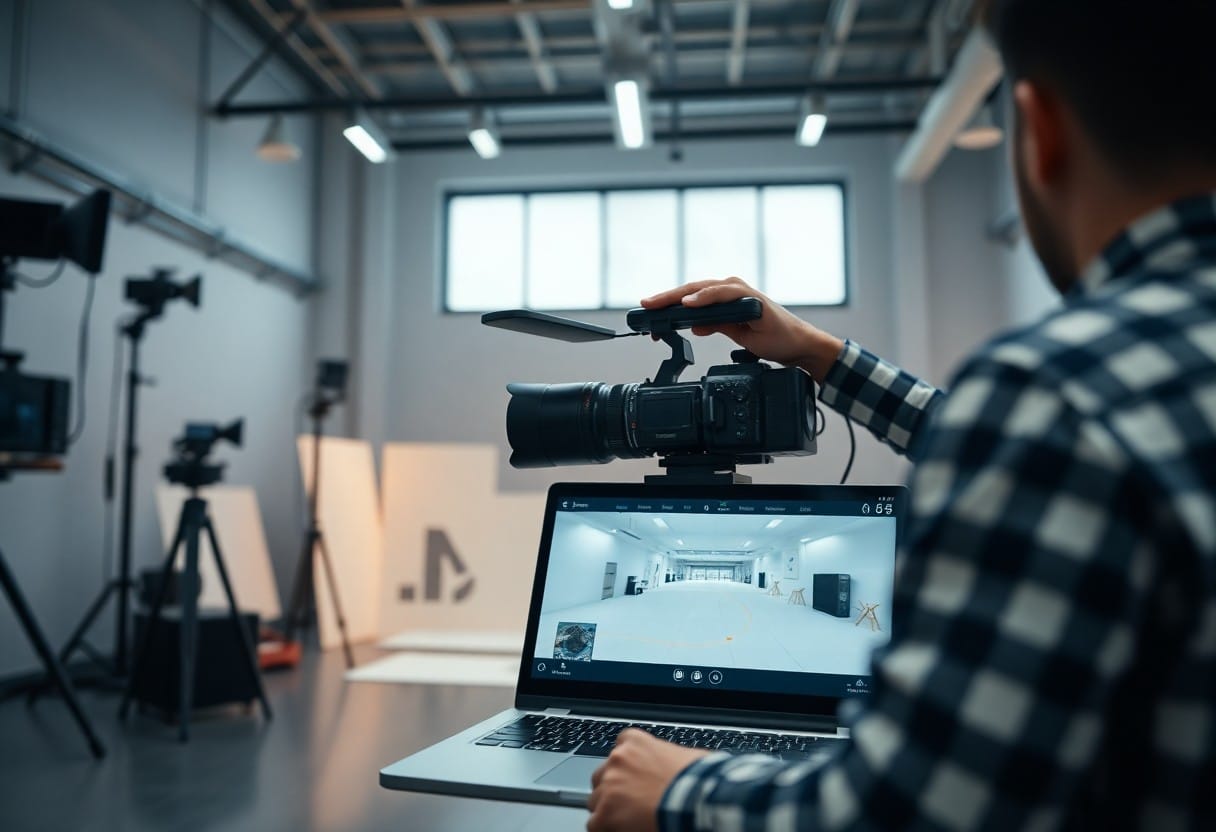
Your 360° virtual tour serves as a powerful tool to engage potential clients or customers, providing them with an immersive experience of the space you are showcasing. By creating a realistic representation, you enable viewers to explore areas in detail, which can significantly impact their decision-making process. A clear understanding of the purpose behind your virtual tour can enhance its effectiveness and ensure it meets your business goals.
An imperative aspect of creating a successful 360° virtual tour is identifying your target audience. Consider who will benefit from the tour and what specific features will appeal to them. Tailoring your content to the interests and needs of your audience will enhance their experience and engagement with your virtual tour, ultimately leading to better results.
By establishing clear objectives for your 360° virtual tour, you can focus your efforts on achieving specific outcomes. These objectives can vary, from increasing foot traffic to a physical location to enhancing online engagement and lead generation. Clearly defined goals will guide your creative process and help measure the success of your virtual tour.
But without precise objectives, your virtual tour might lack direction, resulting in a missed opportunity to connect effectively with your audience. Focus on objective metrics such as increasing customer inquiries or boosting online sales. By doing so, you can develop content that directly supports these targets, ensuring your virtual tour not only captivates viewers but also drives tangible business results.
Some people overlook the importance of selecting the right technology for creating a 360° virtual tour, which can significantly impact the quality and user experience. You should invest time in researching various options, considering factors such as image resolution, ease of use, and the specific features that suit your project. A well-chosen technology can enhance the appeal of your virtual tour and make it more engaging for your audience.
The choice of software plays a pivotal role in the success of your virtual tour. You should opt for a solution that fits your technical skills and meets your project's requirements. Some software offers advanced features, such as interactive elements and custom branding, while others focus on simplicity. Evaluate your needs carefully before committing to any specific software.
After selecting the technology, check that your virtual tour is compatible with various devices. You want your audience to access the tour seamlessly, whether they are using a smartphone, tablet, or desktop. Testing on multiple devices ensures a broader reach, allowing more users to enjoy your content.
Right from the start, you must focus on ensuring compatibility with devices. Creating a responsive design is key to your success, as it allows the virtual tour to adapt seamlessly to different screen sizes. Make sure to pay attention to both operating systems and browsers during the development process. A lack of compatibility could result in a poor user experience or even alienate potential visitors, negatively affecting engagement and accessibility.
Many creators underestimate the importance of high-quality photography and visual presentation in a 360° virtual tour. The images you use need to engage and captivate your audience while accurately representing the space. A well-executed visual presentation can significantly enhance user experience, making your tour more appealing and immersive.
Images are the foundation of any virtual tour, and using poor-quality images can detract from the overall experience. Blurry, pixelated, or improperly framed images can leave viewers with a negative impression. Ensure you choose sharp, well-composed photographs that highlight the best features of the space you’re showcasing.
Among the many aspects of photography, lighting plays a significant role in the quality of your virtual tour. Poor-quality lighting can obscure details and create unflattering shadows, leading to an uninviting appearance. Adequate lighting ensures that every corner of your space is visible and appealing, helping your audience feel more connected to the environment. Using natural light whenever possible, or investing in good lighting equipment, can vastly improve the overall look of your images. A well-lit space can evoke a warm and welcoming atmosphere, making potential clients more likely to engage with your offering.
Despite the technological advancement in virtual tours, many overlook the significance of seamless navigation and user experience. Neglecting this can frustrate users and detract from the intended immersive experience. To enhance your virtual tour's appeal, consider exploring this resource to Avoid These 6 Mistakes While Creating a Virtual Tour.
By focusing on a clean and simple user interface, you can significantly enhance the overall experience. This means sticking to familiar icons and layouts that your audience can easily navigate through without confusion.
After streamlining your design, it’s now imperative to ensure navigation is intuitive and straightforward for users. Overcomplicated navigation can lead to frustration and disengagement, which detracts from your tour's effectiveness.
Navigation should be consistent and intuitive, allowing users to effortlessly explore your virtual environment. Implementing clear pathways and visible controls will enhance the immersive experience, keeping users engaged. Avoiding excessively detailed menus or convoluted transitions is imperative, as they may create a sense of confusion. Ensure that your virtual tour flows smoothly, allowing users to concentrate on the content rather than struggling with navigation.
For a successful 360° virtual tour, you must pay close attention to the content. Ensure that your imagery and narrative are not only immersive but also engaging. You should provide a clear storyline that guides viewers through the space, highlighting key features and points of interest to maintain their attention and encourage exploration.
Across your virtual tour, it's imperative to supply pertinent information that enhances the viewer's experience. This includes details about the locations, history, and unique features of the area you are showcasing. By doing so, you create a richer understanding and connection for your audience.
Providing a harmonious balance between text and visuals is crucial in a virtual tour. Excessive text can overwhelm viewers, while purely visual content may lack clarity. Strive for a blend where visual elements enhance your message without overshadowing the narrative.
Plus, ensure that your text complements your visuals effectively. Use brief and impactful text that supports the images without detracting from them. Avoid cluttering the screen with too much information; focus on key messages that reinforce the visual experience. A well-crafted balance leads to an easier, more enjoyable experience for your audience, ultimately keeping them engaged and allowing your content to shine.
Not promoting your 360° virtual tour adequately can lead to missed opportunities. You should utilise various marketing channels to reach your audience effectively. Ensure that your tour is easily accessible across devices, and consider incorporating it into your website, newsletters, and promotional emails. Accessibility will enhance user experience and encourage more viewers to engage with your virtual tour.
Behind every successful 360° virtual tour lies an effective SEO strategy. You need to optimise your content with relevant keywords, meta tags, and alt text. This ensures that potential viewers can easily find your tour through search engines, thus enhancing visibility and driving traffic.
Optimisation of your social media presence is key to promoting your 360° virtual tour. You should share engaging content highlighting your tour on platforms like Facebook, Instagram, and LinkedIn to attract your target audience.
Promotion through social media channels can significantly increase your tour's visibility. By creating eye-catching posts and using relevant hashtags, you can draw in a larger audience. Engaging with your followers through live streams or interactive stories related to your tour can also enhance a sense of community and drive more traffic to your virtual tour. It's vital to focus on producing content that resonates with your audience, transforming them into advocates for your tour while expanding its reach.
As a reminder, when creating a 360° virtual tour, it is necessary to avoid common mistakes that could hinder the experience. Make sure to maintain consistent lighting and avoid cluttered spaces that can distract viewers. Ensure that the navigation is intuitive, allowing users to easily explore the environment. Pay attention to the quality of visuals, ensuring they are high-resolution to truly engage your audience. Lastly, don’t overlook the importance of providing context with informative hotspots to enhance the tour, making it as engaging and informative as possible.
A: One significant mistake is selecting a location that lacks visual interest or relevance to the intended audience. When creating a 360° virtual tour, it is vital to pick a site that offers engaging visuals and tells a story that resonates with viewers. Boring or unremarkable scenery can lead to a lack of engagement and ultimately diminish the overall experience. A well-chosen location can effectively capture attention and encourage viewers to explore further.
A: Inadequate or harsh lighting is a major pitfall when creating a 360° virtual tour. Lighting plays a vital role in how the space is perceived, with poor lighting leading to dark and uninviting images. Conversely, overly bright areas can create glare, obscuring details. It's vital to ensure that the space is sufficiently lit, using soft, even lighting to enhance the overall atmosphere of the tour. This not only improves visibility but also contributes to a more immersive experience for the viewer.
A: Technical glitches can severely undermine the professionalism of a 360° virtual tour. One common mistake is neglecting to test the interactive elements, such as navigation buttons or hotspots, before launching the tour. Malfunctioning features can frustrate viewers and break the immersive experience. Therefore, it is advisable to conduct thorough testing across various devices and platforms to identify and fix any potential issues before going live. This ensures a seamless experience that allows users to engage effortlessly with the content.
Over the years, 360° virtual tours have become increasingly popular for showcasing properties and experiences. You may wonder if you can zoom in and out during these immersive experiences. While most platforms offer this feature to enhance your viewing experience, some may have limitations. It’s vital to check the specific software or tour provider to understand how you can interact with the environment effectively. Your ability to explore in detail can significantly impact how you engage with the content.

While 360° virtual tours have transformed the way you explore spaces, they also offer immersive experiences that mimic real-life navigation. These tours utilise panoramic imagery and interactive elements, allowing you to experience environments as if you were physically present, whether you're exploring properties, museums, or travel destinations.
At their core, 360° virtual tours allow you to navigate through a space interactively, giving you control over your viewing angle and perspective. Their primary purpose is to provide an engaging way for you to experience locations without having to be there in person, making them particularly beneficial in real estate, education, and tourism.
Understanding the technology behind 360° virtual tours is necessary for grasping their functionality. Advanced image stitching techniques and panoramic cameras are often employed to capture the entirety of a space, creating a seamless visual experience. These elements combine with interactive software, allowing you to navigate freely through the environment with clicks or swipes.
Tours integrate several sophisticated technologies to create an engaging experience. The use of 360-degree cameras captures images from all directions, while virtual reality (VR) features can enhance immersion. By leveraging these technologies, you can view spaces in remarkable detail. The combination of interactive hotspots can offer additional information, turning standard exploration into an informative adventure. As you engage with the tour, the experience becomes not just visual but also highly informative, elevating your understanding of the space you are exploring.
One of the key features of 360° virtual tours is the ability to zoom in and out, allowing you to explore spaces more intimately. This functionality enhances the experience by enabling you to focus on specific details that may be missed at a standard viewing distance. Whether you are examining intricate architectural elements or appreciating fine art, zooming offers a more personalised exploration of your surroundings.
To zoom in on a 360° virtual tour, you can typically use your mouse scroll wheel or pinch gestures on touch devices. This functionality allows you to magnify specific areas of the scene, providing a clearer overview of the environment. Consequently, you gain a better perspective on the layout and features of the space.
Functionality such as zooming significantly enhances your interaction with virtual tours. It allows you to investigate deeper into the visuals, fostering a more engaging and immersive experience. The ability to zoom in on specific elements means you can appreciate the finer details and gain a deeper understanding of the environment you are exploring.
A well-implemented zoom feature can transform a virtual tour from a basic overview to an immersive journey. This capability enables you to focus on aspects that interest you most, promoting a sense of presence within the space. Additionally, you may find that zooming enhances your overall satisfaction with the virtual experience, allowing for a tailored exploration that meets your unique preferences. Without an effective zoom function, you might miss out on important elements and potentially diminish the tour's impact.
Not all 360° virtual tours offer intuitive user interfaces, which can make navigation a bit challenging. You'll want to ensure that the platform you choose allows for seamless movement throughout the tour, including options for zooming in and out. A well-designed interface should enhance your overall experience, providing you with the tools necessary to explore every detail of your virtual surroundings.
Above the typical navigation arrows and drag controls, common zoom features often include pinch-to-zoom gestures for touch devices or scroll wheel functionality for desktops. Some platforms also offer dedicated zoom buttons, allowing you to adjust your view with precision. Familiarising yourself with these tools can significantly enhance your virtual tour experience.
Interface design plays a vital role in accessibility for all users. Features such as zoom functions should cater to individuals with varying visual capabilities, ensuring that everyone can appreciate the rich details in a 360° virtual tour. You may find it beneficial if the controls are simple and easy to locate, allowing you to navigate without frustration.
It is imperative to prioritise accessibility when engaging with 360° virtual tours. By incorporating features like keyboard navigation, screen reader compatibility, and adjustable interface settings, platforms can provide a more inclusive experience. Recall, that a well-designed tour not only enhances your engagement but also ensures that individuals with disabilities can equally explore and enjoy the virtual space, promoting a more equitable experience for all users.
Keep in mind that 360° virtual tours can vary in performance depending on the device you use. Whether you're on a mobile, tablet, or desktop, the functionality and clarity of the tour might differ. It's vital to ensure that your device is compatible and updated to get the best experience, as older models may struggle to deliver smooth interactions.
Before you investigate a virtual tour, consider how it will feel on different devices. While mobile experiences offer flexibility and convenience, desktop setups often provide a larger screen and more control, allowing for more detailed exploration. Your choice of device can significantly impact how immersive and enjoyable the tour is.
After selecting your device, be aware of its browser capabilities. Different web browsers support 360° content to varying degrees, which can affect load times and interactivity. Ensuring you're using an updated version of a compatible browser is vital for a seamless experience.
This is particularly important as not all browsers handle 360° content in the same way. For optimal performance, you should opt for browsers like Chrome or Firefox, which generally offer strong support. However, be cautious, as some browsers may have limitations on handling certain VR features, which can lead to a compromised viewing experience. Always check for updates and ensure your browser settings allow for full functionality of 360° virtual tours to maximise your enjoyment.
Unlike traditional panoramic views, the ability to zoom in and out enhances your experience in virtual tours. This function allows you to explore intricate details and gain a profound understanding of your surroundings. Whether it’s a business or leisure exploration, zooming capabilities significantly enrich your engagement and interaction with the digital environment.
Practical applications of zoom in virtual tours are especially evident in real estate and property showcases. With this feature, you can thoroughly inspect properties, noting features and layouts up close, which aids in making informed decisions without needing to visit in person.
Tours of museums and educational institutions benefit greatly from zoom functionalities. You can investigate artwork, historical artefacts, and exhibits in detail from the comfort of your home.
Indeed, when engaging with virtual museum tours, zooming allows for a comprehensive exploration of artistic details and historical significance in a way that static images or standard video cannot provide. This interactive experience fosters a deeper connection between you and the exhibits. By observing unique features that might go unnoticed otherwise, you enhance your learning experience, immersing yourself in educational content that is both entertaining and informative.
All indications suggest that the future of 360° virtual tours will see enhanced interactivity and improved user experiences. Innovations in Zoom functionality will allow you to explore spaces in greater detail than ever before, making the virtual experience feel more realistic and engaging.
At the forefront of 360° virtual tours, advancements in zoom technology are set to redefine how you interact with environments. Enhanced resolution and user-friendly interfaces will elevate your ability to examine intricate details, making the virtual exploration both informative and immersive.
One emerging trend is the integration of augmented reality (AR) with 360° virtual tours. This technology allows you to layer digital information over real-world visuals, enhancing your understanding of spaces.
Tours enriched with AR can provide interactive features such as contextual information about objects or locations, making your experience significantly more immersive. This blend of real and virtual worlds not only delivers interesting insights but also fosters a deeper connection to the surroundings you are exploring, ultimately transforming how you perceive and interpret environments.
From above, you can indeed zoom in and out during a 360° virtual tour, enhancing your viewing experience. This functionality allows you to explore intricate details and gain a better perspective of each area. As you navigate the tour, simply use your mouse or touchscreen gestures to adjust the zoom level to suit your preferences. Embracing this feature can provide you with a more immersive understanding of the space, making your virtual exploration more engaging and informative.
A: Yes, viewers can typically zoom in and out during a 360° virtual tour. This feature allows users to focus on specific details within the panoramic images, providing them with an enhanced experience as they explore the virtual environment.
A: To zoom in and out in a 360° virtual tour, viewers can usually use their mouse scroll wheel, trackpad pinch gestures, or designated zoom buttons if available on the interface. This manual control allows for a personalised exploration of the tour.
A: While most 360° virtual tours do allow zooming, the level of zoom-in detail may be limited by the resolution of the images used. If the images are low resolution, zooming in may result in pixelation, diminishing the clarity of the visuals. Additionally, not all virtual tours may offer the zoom feature, so it is dependent on the specific tour platform.
There's a fascinating intersection between 360° virtual tours and floor plans that can significantly enhance your presentation. Including detailed floor plans in your virtual tour not only helps potential buyers or clients visualise the space better but can also provide the necessary context for navigating through the rooms. This combination allows you to showcase your property more effectively, as it equips viewers with a comprehensive understanding of the layout. In this post, we will explore the benefits and best practices for integrating floor plans into your 360° virtual tour.
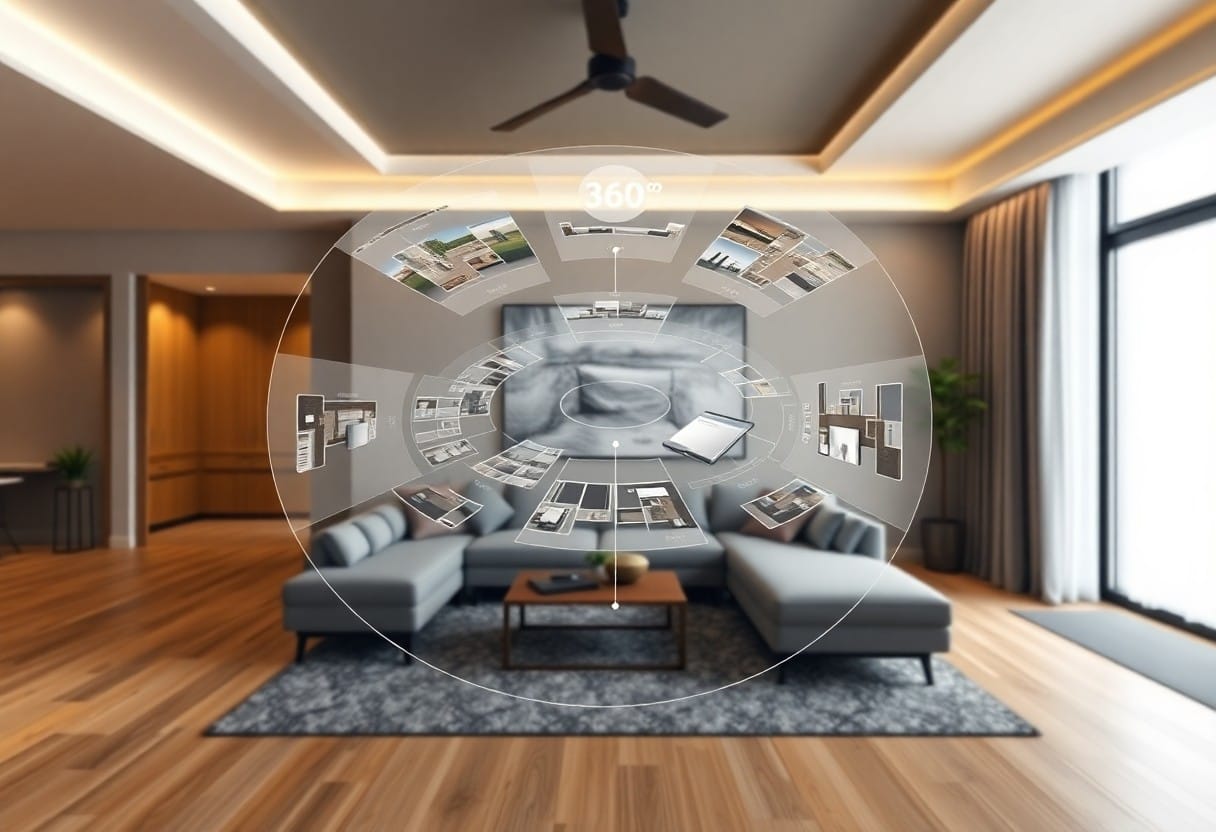
A 360° virtual tour allows you to explore a space as if you were physically there, providing an immersive experience. By using panoramic images or video, these tours let you view every angle of a location, making it an effective tool for showcasing properties, businesses, or attractions. As you navigate through the tour, you can appreciate the layout and design in a way that still images simply cannot convey.
Below, a 360° virtual tour is defined as an interactive multimedia experience that enables viewers to navigate through a place from their devices. Utilising advanced imaging technology, these tours create a realistic setting where you can look around in all directions, enhancing your understanding of the space you’re exploring.
Tours greatly benefit from strong visual elements, as they capture the attention of your audience and convey imperative information about the space. Engaging visuals not only elicits interest but also establishes an emotional connection, increasing the likelihood of leaving a lasting impression.
Virtual tours should include high-quality imagery, informative annotations, and interactive features that enhance the viewer's experience. By incorporating these visual elements, you enable your audience to grasp the context and significance of the space, driving up interest and engagement. Providing a well-rounded perspective of your location helps facilitate informed decision-making, whether potential clients are considering a purchase or visit. Ultimately, a thoughtfully designed visual experience can elevate the overall impact of your virtual tour.
Some of the key benefits of including floor plans in your 360° virtual tours involve enhancing your audience's understanding and engagement. A detailed floor plan allows potential clients or visitors to appreciate the layout and flow of the space. This additional layer of information can help you effectively showcase your property, making it more appealing and memorable.
Against a backdrop of increasing digital content, providing a floor plan alongside your virtual tour significantly enriches the user experience. By offering a visual reference of the space's layout, users can navigate and explore the property more intuitively, thereby increasing their overall satisfaction and likelihood of engagement.
Improved spatial understanding is one of the most significant advantages of including floor plans in your virtual tour. With a floor plan, you enable users to grasp the dimensions and proportions of each room, making it easier for them to envision how they can utilise the space for their needs.
Plus, when you integrate a floor plan with your virtual tour, it streamlines the process of visualisation for your audience. They can immediately see how rooms connect, their sizes, and where windows and doors are located, which can be particularly beneficial in situations where scale and proportion are necessary. This combination of visual aids not only enhances user satisfaction but can also increase interest in the property, helping you stand out in a competitive market.
Not all virtual tour software supports the integration of floor plans. Understanding the specific requirements of the software you choose is necessary for successfully incorporating these elements. You may need to configure settings or adapt the floor plans to ensure they display correctly alongside your virtual tour. This can influence the overall user experience, so verify compatibility before proceeding.
Between different platforms, compatibility can vary significantly. Some software may easily allow floor plan uploads, while others might require additional steps or specific file types. It is advisable to check the documentation or customer support options of your chosen software to assess how to best integrate your floor plans.
Quality matters immensely when including floor plans in your virtual tour. For the best results, ensure that your floor plans are in high resolution and saved in formats that are widely accepted, such as PNG or JPEG. These formats allow for precise details to be showcased, ultimately enhancing the interactive experience for your audience.
Understanding the quality and format of your floor plans is vital for successful integration into your 360° virtual tour. Opt for high-resolution files to avoid pixelation, which can detract from the professionalism of your presentation. Additionally, choose widely supported formats like JPEG or PNG to ensure seamless incorporation. The clarity and accessibility of the floor plans can greatly influence the viewer's understanding of the space, making thoughtful selection and preparation key to achieving an effective virtual tour.
Many virtual tour creators benefit from integrating floor plans to enhance user experience. By following the right guidelines, you can ensure that your audience fully understands the layout of the space. For detailed instructions, explore this guide on How to add a floor plan to your virtual tour.
At the core of successful integration is ensuring seamless navigation between your virtual tour and the associated floor plan. Visitors should be able to easily switch between the two, allowing them to gain a comprehensive understanding of the layout while exploring 360° views.
On the topic of accurate representation, it's imperative to maintain precision when aligning your floor plans with the physical space. Any discrepancies can lead to confusion and misinterpretation from your audience, impacting their overall experience negatively.
Indeed, an accurate floor plan not only enhances user confidence but also builds your credibility as a provider. Ensure that measurements and features are represented accurately on the floor plan to avoid any miscommunication. A well-executed floor plan serves as a valuable tool for your audience, aiding in their spatial understanding and making them feel comfortable with the shown area. Take time to verify details such as room sizes and connections; small errors can lead to significant misunderstandings that hinder user experience.
Now, when considering the inclusion of floor plans in your 360° virtual tour, it is necessary to navigate the legal and copyright landscape that surrounds them. Understanding the ownership and rights associated with floor plans will help you avoid potential legal pitfalls and ensure the seamless integration of your virtual presentation.
Above all, you need to determine who holds the rights to the floor plans you wish to use. Typically, the original creator, whether it be an architect or designer, retains copyright unless otherwise assigned or licensed. If you didn't create the floor plans yourself, make sure to seek permission from the rightful owner before including them in your virtual tour.
Above all, understanding your rights to utilise floor plans in virtual tours is paramount. You must secure the necessary permissions from the copyright holder to avoid disputes and potential legal challenges.
Due to the intricacies involved, you should be particularly vigilant about obtaining the appropriate licences or permissions before including any third-party floor plans. Failing to do so could result in significant legal repercussions, including monetary penalties or injunctions against your virtual tour. Conversely, when you secure the right permissions, you boost the credibility of your presentation and enhance your audience's experience. Always ensure you have documented proof of ownership or permission to avoid any potential pitfalls.
Unlike many traditional methods, integrating floor plans in a 360° virtual tour has been successfully implemented in various sectors. Here are some notable case studies:
With the rise of digitisation, many real estate businesses have harnessed the power of floor plans in their 360° virtual tours. This strategy has proven to improve property visibility, helping potential buyers visualise spaces more accurately, which has led to enhanced decision-making.
Along with real estate, sectors like hospitality and education have begun adopting 360° virtual tours with floor plans to enrich user experience and accessibility.
To illustrate, in the hospitality sector, hotels are using 360° tours paired with floor plans to allow guests to explore room layouts, aiding them in selecting accommodations that fit their needs. Meanwhile, educational institutions have created immersive campus tours with integrated floor plans, significantly improving student engagement and helping prospective students understand the layout. These innovations not only enhance the user experience but also establish a competitive advantage, showcasing a forward-thinking approach in your industry.
On the whole, including floor plans in your 360° virtual tour can greatly enhance the viewer's experience by providing context and aiding navigation. You can easily integrate them as visual aids alongside your virtual walkthroughs, allowing your audience to better understand the layout and spatial dynamics of the area. This added layer of detail not only enriches the presentation but also helps potential clients or customers grasp the full potential of your space. Therefore, it is advisable to consider adding floor plans to optimise your virtual offerings.
A: Yes, you can include floor plans in your 360° virtual tour. Many virtual tour platforms allow you to upload floor plans that can be viewed alongside the 360° views. This can provide viewers with a clear understanding of the layout and flow of the space, enhancing their overall experience.
A: Including floor plans in a virtual tour offers numerous advantages. It helps potential buyers or visitors to visualise the arrangement of rooms and the overall dimensions of the space. Additionally, floor plans can assist in navigating the virtual tour more effectively, as users can refer to the plan while exploring the various areas.
A: Typically, floor plans need to be in a common image format such as JPEG or PNG for upload. However, it is advisable to check the specific guidelines of the virtual tour platform you are using, as each may have different requirements or recommendations regarding size, resolution, or file type. Ensuring high-quality images can significantly enhance the clarity and effectiveness of the floor plans included in your tour.
Over the past few years, you may have noticed a surge in the popularity of 360° virtual tours, especially in the realms of real estate and tourism. These immersive experiences allow you to explore spaces from the comfort of your home, but you might wonder if they are indeed interactive. In this post, we’ll examine the different ways these tours can enhance your experience, examine their benefits, and discuss how they can transform your engagement with spaces you wish to explore.
For anyone looking to explore new environments, 360° virtual tours offer an immersive experience that can transport you anywhere from the comfort of your own home. These tours combine high-resolution imagery and advanced technology, allowing you to navigate through spaces as if you were physically present. Whether for real estate, education, or entertainment, they provide a unique way to experience locations in a detailed and interactive manner.
Among the various digital innovations, 360° virtual tours stand out as a remarkable blend of photography and digital technology. Utilising panoramic images captured by specialised cameras or software, these tours create an interactive viewing experience that can be navigated in all directions. The integration of virtual reality (VR) can further enhance this experience, making it possible for you to feel as though you are walking through these spaces.
Above all, the versatility of 360° virtual tours shines through in their widespread applications across numerous industries. From real estate agents showcasing properties to educational institutions providing remote learning experiences, these tours are becoming increasingly prevalent in marketing, tourism, and training.
Further exploring these applications, you will find that real estate agents use 360° virtual tours to provide potential buyers with a detailed view of properties, enhancing the home-buying process. In the tourism sector, travel companies utilise these tours to entice visitors by presenting stunning visuals of destinations. Additionally, in education, schools and universities offer virtual campus tours, allowing students to explore facilities without needing to visit in person. The interactivity and immersive nature of these tours not only improve engagement but significantly enhance your overall experience, making them an invaluable tool across various fields.
Interactivity in virtual tours transforms a passive viewing experience into an engaging adventure. By allowing users to navigate freely, access additional information, and manipulate their environments, these tours elevate traditional exploration methods. This functionality not only enhances the user experience but also fosters a deeper connection with the content, making virtual tours a powerful tool for education, marketing, and tourism.
One might define interactivity as the ability of users to actively engage with a digital environment rather than simply observing it. This engagement can involve clicking, dragging, and exploring an interface at your own pace, creating a personalised experience that resonates more deeply with you compared to static forms of media.
Various features can significantly improve user interaction within virtual tours. Items such as clickable hotspots, 3D models, audio guides, and embedded videos can enrich your experience, allowing you to investigate deeper into specific areas of interest. This level of engagement encourages exploration and ensures the information is not only available but also exciting to discover.
That said, incorporating these interactive features can lead to a more immersive environment. Clickable hotspots enable you to explore specific areas, while 3D models can provide a realistic view of objects. Audio guides and embedded videos offer additional context, helping you to gain a clearer understanding of what you are experiencing. Notably, these elements can greatly enhance user satisfaction and encourage return visits to your virtual space, making the overall experience more impactful.
Once again, interactive 360° virtual tours offer numerous advantages that enhance user experience and engagement. By allowing users to explore environments at their own pace, you can create a more personalised journey that captures attention and encourages interaction. This technology not only helps to attract audiences but also provides a unique way to showcase products, services, or locations, ultimately driving greater interest and potential conversions.
By immersing yourself in a virtual environment, you find that interactive 360° tours significantly boost engagement levels. You are no longer a passive observer; instead, you actively explore spaces, making decisions about where to focus your attention, which can lead to deeper emotional connections with the content, and ultimately, a more memorable experience.
Increased interactivity within 360° virtual tours enhances knowledge retention and learning outcomes. As you engage with the content in a dynamic way, your brain processes information more effectively, leading to a better understanding of the material. This increased retention is beneficial, particularly in educational settings, where traditional learning may fall short.
To maximise the benefits of 360° virtual tours for knowledge retention and learning, incorporating interactive elements such as quizzes, clickable hotspots, and additional resources can be particularly effective. You will discover that when you actively participate in the learning process, your cognitive engagement is heightened, resulting in a more profound understanding of the material presented. This approach not only makes learning more enjoyable but also ensures that you retain the information longer, ultimately enhancing your overall experience.
After beginning the journey of creating 360° virtual tours, you may soon uncover various challenges that can hinder the development of truly interactive experiences. These issues range from technical limitations to user accessibility problems, both of which can significantly impact the overall effectiveness of your virtual tours. Understanding these challenges is imperative as it enables you to refine your approach and deliver a more engaging product.
Before plunging into the intricacies of 360° virtual tour creation, you should consider the technical limitations that may arise. Factors such as the quality of hardware, software capabilities, and internet speed can affect how immersive and seamless your interactive tours turn out to be. Ensuring that you have the right tools and technology is vital for achieving optimal performance.
To ensure that your interactive tours are truly engaging, you'll need to address user accessibility issues. This means being mindful of the diverse range of users who may interact with your tours, including those with disabilities. Designing tours that accommodate various needs, such as screen readers for the visually impaired or easy navigation for individuals with mobility challenges, is vital for creating an inclusive experience.
Hence, focusing on user accessibility encompasses more than just basic functionality. You should consider implementing features like alternative text, voice commands, and keyboard navigation to make your tours usable for everyone. By doing so, you not only open up your content to a broader audience but also enhance the overall user experience. Addressing these issues showcases a commitment to inclusivity, which can be a significant positive aspect of your interactive virtual tours.
Unlike traditional media experiences, 360° virtual tours are set to evolve significantly, becoming more immersive and engaging. As industries recognise the value of these tools, you can expect to see a shift towards increasingly interactive options that cater to a wider audience. The future holds promising advancements that may redefine how you experience virtual environments.
Virtual technology continues to advance at a remarkable pace, enhancing the quality of 360° virtual tours. Innovations in hardware, such as improved cameras and VR headsets, allow you to research deeper into immersive environments. Additionally, software developments, including better integration with AI, are paving the way for an enhanced user experience, making these tours more engaging than ever.
Advancements in interactivity could transform how you engage with 360° virtual tours. Upcoming features may include personalised experiences, real-time interactions, and seamless integration with social media, allowing you to share your experiences directly. While these enhancements can significantly boost your engagement, they may also raise concerns regarding data privacy and security.
Enhancements like real-time user feedback and customised content delivery could further tailor experiences to your preferences. As you navigate various virtual environments, AI-driven suggestions might lead you towards areas that cater to your interests, fostering a more personal journey. However, it's necessary to approach these developments cautiously, as issues surrounding data privacy and potential misuse of personal information may arise in this rapidly evolving landscape. Your engagement is key, but understanding the implications of these enhancements is vital for a safe and enjoyable experience.
Ultimately, 360° virtual tours are interactive experiences that allow you to engage with spaces in a unique way. Through the use of navigational tools, you can explore various environments at your own pace, making decisions on where to look and how to interact. This level of engagement enhances your understanding and appreciation of the location, providing a comprehensive insight that static images simply cannot offer. For more information about the concept, you can learn more about What is a Virtual Tour?.
A: Yes, 360° virtual tours are designed to be interactive. Users can click and drag to navigate through the virtual space, allowing them to explore different viewpoints and angles. Some tours also include hotspots that provide additional information, images, or videos when clicked, enhancing the overall experience.
A: Interactive 360° virtual tours often include features such as clickable hotspots for information, audio narrations, embedded videos, and navigation menus that guide users to specific areas of interest. Some tours may also offer a guided mode or allow users to shift between various rooms or locations within the tour.
A: Accessing a 360° virtual tour typically requires a compatible device, such as a smartphone, tablet, or computer. Most tours can be accessed through a web browser or dedicated app. To use the tour, simply navigate using your mouse or touchscreen to click, drag, and explore different angles of the virtual environment. VR headsets can also be used for a more immersive experience if the tour is compatible.
Most businesses are eager to enhance their online presence through engaging content, and sharing your 360° virtual tour on social media can significantly boost visibility. By doing so, you can attract more visitors, showcase your offerings, and elevate user experience. However, it’s vital to ensure you comply with platform requirements and privacy policies when sharing such immersive content. This post will guide you through the benefits and considerations of sharing your virtual tour effectively on social media, helping you maximise its potential.
To explore the world of real estate, tourism, or any immersive experience, 360° virtual tours have revolutionised how you connect with your audience. These online experiences allow users to navigate through environments as if they were physically present. If you're looking to elevate your social media strategy, consider discovering 6 Ways to Integrate Virtual Tours in Your Social Media ....
Tours can be defined as interactive representations of real-world spaces, enabling users to experience locations from the comfort of their own devices. Utilising advanced photography techniques, these tours capture every angle, allowing for a comprehensive exploration of the environment.
Around the globe, businesses are discovering the remarkable advantages of 360° virtual tours. You can create an engaging platform that not only showcases your property or service but also sparks interest and enhances user interaction. By offering a virtual exploration, you amplify the chances of retaining visitors and turning them into loyal customers.
Plus, engaging with your audience through 360° virtual tours promotes a sense of *immersion* and *connection*. These immersive experiences can significantly reduce *bounce rates* and increase *time spent* on your website, allowing you to effectively showcase your *unique offerings*. Additionally, you can leverage these tours in your marketing efforts to provide potential clients with a *memorable experience*, ultimately leading to increased *conversion rates* and greater *customer satisfaction*.
Assuming you are considering sharing your 360° virtual tour on social media, it's necessary to recognise the various platforms available and their unique capabilities. Each platform offers different ways to engage your audience and showcase your content, enabling you to reach a broader demographic. Understanding these platforms can help you select the most suitable options for sharing your virtual tour effectively.
At the forefront of social media, channels like Facebook, Instagram, and Twitter provide excellent opportunities for sharing your 360° virtual tour. These platforms cater to diverse audiences and support rich media formats, enhancing your chances of engagement and exploration from potential viewers. By selecting the right channels, you can significantly amplify the reach of your virtual content.
One of the key elements in your sharing strategy is understanding the unique features of each social media platform. Facebook allows for immersive experiences with options like embedded tours, while Instagram focuses on visually appealing content through Stories and Reels. Twitter emphasises quick interactions and concise updates, which can help generate excitement and drive traffic to your tour. Each platform comes with its own benefits and potential pitfalls, and you should carefully consider how to leverage these to best showcase your content.
Media platforms vary widely in their approach to user engagement, content consumption, and audience interaction. For instance, Facebook's dynamic sharing options can create an immersive experience for users through 360° videos, allowing them to navigate your virtual tour interactively. Instagram’s visual storytelling promotes stunning visuals that can captivate your audience with just a glance. Conversely, Twitter fosters rapid engagement via shorter, impactful posts and links, making it an effective tool to generate buzz quickly. By tailoring your approach to each platform's unique capabilities, you can maximise the impact of your 360° virtual tour.
Your 360° virtual tour is an engaging way to showcase your space and connect with your audience. Sharing it on social media can significantly enhance its visibility and reach. By utilising various platforms, you can engage with potential customers, increase traffic to your website, and provide an immersive experience. Make sure to tailor your share for each platform to maximise engagement and encourage viewers to explore further.
Around your 360° virtual tour, it’s wise to craft compelling captions and use eye-catching thumbnails. Engaging with your audience in the comments and sharing it during peak hours can significantly increase views. Also, consider using relevant hashtags to broaden your reach and attract the right viewers.
Sharing your 360° virtual tour effectively often requires the right tools and technology to ensure a smooth experience for your audience. Various platforms allow you to host and share your tours, including social media sites like Facebook and Instagram, and dedicated services like YouTube and Matterport.
Hence, choosing the right platform to share your 360° virtual tour can significantly impact its success. Leveraging social media platforms can help you showcase your tour visually while allowing users to interact with your content. Make use of embedding features available on most social media channels that allow easy integration of your tour. Utilising analytics tools can also provide insights into how viewers engage with your tour, helping you optimise your sharing strategies and messaging for greater impact.
Once again, when sharing your 360° virtual tour on social media, it is imperative to be aware of the legal implications. Different jurisdictions have varying laws regarding digital content, so it’s important to ensure that you have the right permissions and adhere to any applicable regulations. This includes understanding copyright laws, ownership rights, and the privacy rights of individuals who may appear in your tour.
Below, you should consider the copyright status of the images and materials used in your virtual tour. Ensure that you own the rights to all visual content or have obtained the necessary licenses. Sharing copyrighted material without permission can lead to legal disputes, which may result in the removal of your content or financial penalties.
By sharing your virtual tour, you must also consider the privacy concerns that may arise. If your tour features individuals, it’s important to obtain their consent before including them. Failing to do so may infringe upon their rights, leading to potential legal ramifications.
And, when considering privacy, be mindful of the locations and contexts depicted in your virtual tour. Avoid showcasing private properties or settings without explicit permission. Furthermore, ensure that people appearing in your tour are aware of their presence and have agreed to be included. This not only protects you legally but also fosters trust and respect among your audience. Taking these precautions can help you navigate potential pitfalls associated with privacy, allowing you to share your virtual tour confidently.
After sharing your 360° virtual tour on social media, it’s imperative to measure the engagement it generates. By analysing user interactions, such as views, shares, and comments, you can gain valuable insights into how effectively your content resonates with your audience. Understanding these metrics will enable you to tailor future tours and maximise their impact, ensuring that your efforts yield the best possible results.
For effective tracking of your virtual tour's performance, various analytics tools are available. Platforms like Google Analytics and social media insights can provide you with data on user engagement, demographic information, and referral sources. These tools offer valuable analytics, helping you to refine your strategy and identify which aspects of your virtual tour attract the most attention.
To make informed decisions regarding your virtual tour strategy, you must interpret the engagement metrics accurately. Understanding how to analyse these numbers will help you identify patterns in viewer behaviour and adapt your content accordingly.
Metrics such as click-through rates, average viewing time, and social shares reveal insights about your audience's preferences. A high click-through rate indicates that your tour’s thumbnail or caption captured attention effectively. Meanwhile, average viewing time can determine the level of interest; a prolonged viewing suggests that users are engaged. However, a low viewing time could signal that your content lacks substance or relevance. Monitoring these metrics over time will empower you to make data-driven improvements, enhancing user experience and increasing your tour’s reach and effectiveness.
Many businesses understand the significance of enhancing the visibility of their 360° virtual tours. By strategically sharing your virtual tour across multiple platforms, you can reach a wider audience and attract more potential customers. Ensure to use eye-catching visuals and engaging captions to draw attention and encourage sharing. Integrating your tour with relevant social media channels can lead to increased traffic and engagement.
Between sharing your tour on social media and utilising various promotional strategies, there are effective ways to boost visibility:
Knowing these tips can greatly enhance your reach and engagement.
Any collaboration with other brands or influencers can significantly enhance the visibility of your 360° virtual tour. Engaging partners who share a similar target audience can lead to beneficial exposure and new customer acquisition. By co-promoting each other's content, you tap into each other's networks, increasing your tour's reach exponentially.
In addition, alliances with local businesses can create a stronger community presence. When you collaborate, you can cross-promote through social media posts, blog articles, and joint events that showcase your virtual tour. This synergy not only maximises your audience but also enhances your brand credibility. However, ensure that your partnerships align with your brand values to avoid any negative associations that may arise. Engaging in thoughtful collaborations can truly propel your content into the spotlight.
With these considerations in mind, sharing your 360° virtual tour on social media can be a great way to engage your audience and showcase your content. Ensure that your tour is optimised for the platforms you choose to use, as well as respecting any copyright or privacy concerns that may arise. Effectively promote your virtual tour by providing context and encouraging interaction, which can greatly enhance your overall reach and visibility. Properly executed, social media can amplify your virtual experiences and lead to increased interest in your offerings.
A: Yes, you can share your 360° virtual tour on social media platforms. Most commonly used platforms, such as Facebook, Instagram, and Twitter, allow for the embedding or sharing of 360° content. This means that users can interact with the tour directly within their social media feed, enhancing engagement and providing a more immersive experience.
A: When sharing your 360° virtual tour on social media, it is advisable to use eye-catching captions and visuals that entice users to click. Make sure to test the shared link before posting to ensure that it displays correctly. Additionally, consider using relevant hashtags that relate to your content to reach a broader audience. Engaging with viewers through comments and responding to questions can also increase interaction with your post.
A: While many social media platforms support 360° content, there may be some limitations in terms of the type of content that can be uploaded or the file size restrictions. For instance, some platforms may compress the video quality, potentially affecting the viewing experience. Always check the specific guidelines and requirements of each platform to ensure the best possible presentation of your virtual tour.
Just imagine walking your customers through your space without them being physically present. A 360° virtual tour offers you the opportunity to showcase your business engagingly, allowing potential clients to explore your offerings from anywhere in the world. This innovative tool can enhance customer experience, improve your online visibility, and ultimately increase conversions. By creating an immersive experience, you can set your business apart and make a lasting impression, encouraging customers to choose your services over competitors.
Your comprehension of 360° virtual tours begins with appreciating their ability to immerse viewers in a digital environment. These innovative tools allow potential customers to explore your business space from anywhere in the world, creating an engaging experience that traditional photos or videos cannot match.
Below, 360° virtual tours refer to a series of panoramic images combined to create an interactive, round view of a location. Users can navigate these tours, exploring various angles and areas, which enhances their understanding of your space and offerings.
Below, the technology that powers 360° virtual tours involves advanced camera systems, software, and interactive elements. These components work together to capture and render high-quality images that create a seamless experience for the viewer.
The creation of 360° virtual tours hinges on sophisticated 360-degree cameras. These cameras capture vast fields of view in a single shot, allowing for a more immersive representation of your business. Additionally, powerful editing software is utilised to stitch together images seamlessly, ensuring a smooth transition as users explore. Finally, interactive hotspots can be implemented, offering more information about features or products, and turning a simple view into a highly engaging experience for your audience.

Even the most established businesses can benefit from 360° virtual tours, as they significantly increase customer engagement. By providing an interactive and visually appealing experience, potential customers can explore your offerings in a way that feels personal and inviting. This immersive approach fosters deeper connections with your brand, allowing customers to better understand your products or services and encouraging them to spend more time on your platform.
By engaging your customers in an immersive experience, 360° virtual tours allow them to feel as though they are physically present in your space. This level of engagement not only showcases your products or services but also creates an emotional connection, making it more likely for them to choose your business over competitors.
One of the standout advantages of 360° virtual tours is the integration of interactive features that enhance user engagement. These elements allow visitors to click on specific areas, access additional information, and even navigate through your space seamlessly, making their experience both informative and enjoyable.
Immersive experiences transform your customers' interactions through interactive features that invite participation instead of passive observation. Features like hotspots, which provide detailed information on a product when clicked, and navigation tools that allow users to explore different areas of your business, keep them engaged and well-informed. Utilising these elements not only enhances user experience but also encourages higher conversion rates, as customers feel empowered to explore and learn at their own pace.
Now, a 360° virtual tour can significantly enhance your online visibility by capturing the attention of potential customers. These immersive experiences not only engage visitors but also encourage them to spend more time on your website. With more interaction, you can improve your site's overall ranking on search engines, helping you stand out from competitors and attract a larger audience.
Online visibility can be boosted through various Search Engine Optimisation (SEO) benefits that a 360° virtual tour offers. By incorporating engaging visual content, you can lower your bounce rate while increasing the time users spend on your site. Search engines favour websites that retain visitors, ultimately contributing to higher rankings and greater discoverability.
360° virtual tours easily integrate with your social media platforms, providing an excellent opportunity for increased engagement. Sharing vibrant visual experiences can captivate your audience and encourage shares, likes, and comments, expanding your reach significantly. Connecting your tour with social media channels helps enhance your brand presence and drives more traffic to your website.
Leveraging social media for your 360° virtual tour can lead to substantial benefits. When users share your immersive content, it not only enhances your visibility but can also create a social proof dynamic around your business. Engaging users through platforms such as Facebook, Instagram, or LinkedIn makes it easy for you to connect with a wider audience, showcasing your offerings in an interactive way that sets you apart from competitors.
Keep your potential customers engaged by using a 360° virtual tour to showcase your products and services. This immersive experience allows users to explore every detail of your offerings from the comfort of their own devices, making it easy for them to visualise how your products fit into their lives. With enhanced visual appeal, you can significantly increase customer interest and drive conversions.
Besides offering enhanced visual engagement, a 360° virtual tour enables realistic presentations of your products and services. By allowing customers to interact with your offerings, they can experience a sense of presence that a standard image cannot provide. This interactivity fosters trust and can lead to increased customer satisfaction as they feel more informed about their choices.
Below are some compelling case studies demonstrating the effectiveness of 360° virtual tours in various industries:
Considering these examples, it's evident how a 360° virtual tour can transform your marketing strategy. By providing potential customers with an immersive experience, you're not only showcasing your products and services but also enhancing their decision-making process. The significant increase in customer engagement and conversion rates recorded by businesses highlights the potential impact of this technology. Embracing a 360° virtual tour could lead to substantial growth for your business.
For businesses aiming to enhance their online presence, implementing a 360° virtual tour can significantly improve conversion rates. By offering potential customers an immersive experience, you allow them to engage with your business uniquely. This, in turn, can lead to increased interest and a higher likelihood of sales. To explore more on this topic, check out The Benefits of Virtual Tours for Small Businesses.
Before committing to a purchase, potential customers seek reassurance that your business meets their expectations. A 360° virtual tour provides transparency, allowing users to explore your space and offerings in detail. This level of openness cultivates trust, helping you stand out among competitors.
Among the many benefits of a 360° virtual tour, one of the most impactful is its ability to encourage longer browsing sessions. By attracting visitors to your website, you can keep them engaged as they navigate through stunning visuals and interactive elements.
Plus, when you provide an engaging visual experience, you can significantly reduce the likelihood of users leaving your site too quickly. This *increased engagement* can lead to *higher conversion rates*, as users are more likely to explore what you have to offer. Longer browsing sessions signal to search engines that your content is *valuable*, raising your website's *ranking*. Ultimately, an immersive virtual tour can transform casual browsers into *dedicated customers*.
Unlike traditional marketing methods, a 360° virtual tour is a cost-effective solution that provides a high return on investment. By leveraging this technology, you not only reduce ongoing advertising costs but also extend the reach of your marketing efforts, allowing potential customers to engage with your business anytime, anywhere. This approach not only saves you money but also enhances your overall marketing strategy, leading to increased conversions and long-term success.
Investment in a 360° virtual tour can often outperform conventional marketing techniques. Here is a comparison:
| Aspect | 360° Virtual Tour |
|---|---|
| Initial Cost | Higher |
| Longevity | Long-term |
| Engagement | Interactive |
| Recurring Costs | Low |
Around the world, businesses that utilise 360° virtual tours are increasingly witnessing significant long-term benefits. This technology not only captures the essence of your space but also provides a lasting impression on potential clients, ultimately leading to sustained customer engagement and loyalty.
Further, by investing in a 360° virtual tour, you bolster your brand’s online presence, making it easier for customers to find and remember your business. The immersive experience fosters deeper connections, which can lead to repeat business and referrals. Additionally, as more people turn to online research before making decisions, having a 360° virtual tour ensures that your business stands out, providing you with a competitive edge in your industry.
Upon reflecting, a 360° virtual tour can significantly enhance your business by offering potential customers an immersive experience that showcases your products or services in a compelling way. This innovative visual tool not only helps in engaging your audience but also boosts your online presence, making it easier for clients to interact with your brand. By integrating a virtual tour into your marketing strategy, you can set yourself apart from competitors and create a lasting impression that drives interest and conversions.
A: A 360° virtual tour can significantly improve your business's online presence by providing an immersive experience for potential customers. It allows users to navigate your space virtually, giving them a feel for your environment, products, or services. This level of engagement can lead to increased interest and foot traffic, as customers are more likely to visit a location that they have experienced online. Additionally, having a virtual tour on your website can improve your search engine optimisation (SEO), making it easier for potential customers to find you.
A: Yes, a 360° virtual tour can greatly enhance customer trust and credibility. By showcasing your business environment transparently, potential customers can see exactly what to expect when they visit. This openness fosters a sense of reliability, helping to alleviate concerns about quality or service. When customers feel more confident in their choice, they are more likely to engage with your business, leading to higher conversion rates.
A: Many industries can benefit from 360° virtual tours, but some of the most common include hospitality, real estate, retail, and healthcare. In the hospitality sector, hotels and restaurants can showcase their ambience and facilities, enticing more patrons. Real estate agents can give virtual showings of properties, allowing buyers to explore homes without having to visit in person. Retail businesses can display their products and store layout, while healthcare facilities can offer tours of their premises, reassuring patients about their environment. Overall, any business that relies on physical presence can find value in incorporating a virtual tour.
Virtual tours offer an immersive way for you to explore spaces from the comfort of your home or on the go. You may be wondering if these interactive experiences can be accessed on both desktop and mobile devices. The good news is that most 360° virtual tours are designed to be compatible with a variety of platforms, allowing you to enjoy the same engaging experience, whether you are using a computer or a smartphone. This flexibility enhances your ability to view properties, travel destinations, or any other sites with ease.
A 360° virtual tour allows you to immerse yourself in a space as if you were physically present. This innovative technology offers interactive panoramas that let you explore environments from all angles, enhancing your viewing experience. By incorporating various multimedia elements, such as audio and video, these tours create a more engaging way to experience places like homes, offices, or tourist attractions.
Below is an overview of what makes 360° virtual tours distinctive. These tours utilise a series of high-resolution images that stitch together, providing a seamless view of a location. Features often include zooming capabilities, navigation hotspots, and interactive elements, elevating your observation experience and enabling a comprehensive understanding of the space.
At the heart of many sectors, 360° virtual tours play a pivotal role in compelling marketing strategies and customer engagement. These immersive experiences allow you to showcase real estate properties, touristic destinations, or businesses creatively. They enable you to attract potential clients and give them the freedom to explore environments remotely.
However, the significance of 360° virtual tours extends beyond marketing. In the real estate industry, for example, they help buyers visually navigate properties without needing physical visits, saving time and resources. In education, immersive learning experiences foster engagement and broaden understanding. Meanwhile, the healthcare sector utilises virtual tours for guided tours of facilities, promoting transparency and trust. By balancing these advantages, you can leverage 360° technology to enhance your business or review experiences effectively.
If you're exploring 360° virtual tours, you'll be pleased to know that these immersive experiences can be accessed on both desktop and mobile platforms, ensuring flexibility in how you want to engage with the content. Regardless of the device you choose, you can enjoy rich visuals and interactive features that bring your virtual exploration to life.
Below, you will discover that accessing 360° virtual tours on a desktop provides an expansive view, allowing you to navigate using your mouse. The larger screen enhances the details, making it easier for you to interact with various elements within the tour.
To truly appreciate 360° virtual tours on your mobile device, you can easily swipe or tilt your phone to explore different angles, making the experience highly interactive and engaging.
Even on mobile, the ease of navigation through touch gestures allows you to explore as if you're physically present, adding a level of intimacy to the experience. While the smaller screen might limit your visual field compared to a desktop, the portability means you can view tours anywhere, making it convenient for your lifestyle. Many mobile apps optimise performance, enhancing loading times and reducing potential technical hiccups, so you can enjoy flooding images and seamless transitions.
For optimal viewing of 360° virtual tours, it is vital to consider the technical requirements of your device. You'll need a reliable internet connection, as these tours are data-heavy, and the performance can vary based on both your hardware and software capabilities. Additionally, be aware that specific applications or plugins may be required for the best experience.
At the core of an effective 360° virtual tour experience is browser compatibility. Most modern web browsers, such as Google Chrome, Mozilla Firefox, and Safari, support these tours; however, it's advisable to ensure your browser is up to date for the best functionality. Older browsers may struggle with rendering and could limit your viewing experience.
Between desktops and mobile devices, the device specifications play a significant role in how well the 360° virtual tours are rendered. Generally, higher-end devices with faster processors and better graphics capabilities provide smoother navigation and enhanced visuals. On mobile, ensure your device has sufficient RAM and a robust operating system to support seamless interactions.
This means that if you’re using an older device with limited processing power or memory, you may experience lag or degraded image quality during your virtual tour. For a positive experience, ensure your device meets the recommended specifications, as high-quality graphics and smooth performance are key to fully engaging with the content. Additionally, maintaining updated software can also enhance your viewing experience and reduce potential issues.
All aspects of user experience are significant when engaging with 360° virtual tours on both desktop and mobile devices. It's vital to ensure that your virtual tour offers a seamless experience across platforms. By utilising Free 360 Virtual Tour Software: Revolutionizing the Way ..., you can enhance web accessibility and compatibility, providing users with a more enjoyable and immersive experience.
Experience signifies the ease with which users can navigate a 360° virtual tour across various devices. The interface should adjust seamlessly to different screen sizes, ensuring that functionality remains intact whether accessed via a desktop or mobile device. This adaptability contributes significantly to user satisfaction and engagement.
The features that allow users to interact with and navigate through virtual tours are vital for creating an engaging experience. Features such as hotspots, zoom functions, and intuitive controls should be thoughtfully designed to ensure smooth navigation.
Another key aspect is to ensure that interaction elements are easily accessible on both desktops and mobiles, as this impacts how effectively you can explore a space. Smooth navigation allows for a positive user experience, while complicated features can lead to frustration. Providing clear instructions and maintaining simplicity in interactions ensures that your users enjoy an immersive experience without feeling overwhelmed.

Now, when considering the *accessibility factors* of 360° virtual tours, it's vital to keep the following in mind:
The implementation of these factors can greatly enhance user experience.
Any virtual tour you create should cater to various user needs, ensuring that *everyone* can engage with your content. This can involve offering features like keyboard navigation and screen reader compatibility, so no one feels excluded from the experience.
Above all, it is important to verify that your virtual tours function seamlessly across various devices and operating systems. This versatility not only broadens your audience reach, but also improves user satisfaction.
Due to the increasing use of different devices for browsing, your 360° virtual tours must demonstrate excellent cross-platform functionality. This means optimising for both *desktop* and *mobile* experiences, ensuring that tours load quickly and maintain quality across all platforms. You want to avoid the risk of losing potential viewers due to technical issues. By providing well-structured interfaces and responsive designs, you can create an engaging experience for all users, regardless of their device. This can lead to a more extensive reach and overall positive impact on your *engagement metrics*.
Once again, it’s enlightening to probe into real-world applications of 360° virtual tours. Here are some compelling case studies that illustrate their effectiveness:
Successful implementation of 360° virtual tours on desktop platforms can significantly enhance user experiences. Businesses across various sectors have integrated these tours into their websites, leading to improved engagement rates and a more immersive browsing experience. You will find that this method not only increases the time users spend on your site but also creates a more informed customer base that is likely to convert.
Behind the scenes, mobile applications of 360° virtual tours are gaining traction. Many users prefer accessing content on their smartphones, making it necessary for businesses to optimise their virtual tours for mobile viewing. This approach often leads to higher engagement levels and increased reach.
Understanding the significance of mobile 360° virtual tours is vital for maximising your audience reach. With the majority of users engaging content through smartphones, you should focus on optimising loading times and ensuring touchscreen interactivity. Notably, consider that mobile-specific features, such as augmented reality integration, can further enhance the user experience and set your offering apart from the competition. Emphasising these aspects will not only attract more potential customers but also foster greater satisfaction with your services or products.
Drawing together, you will find that 360° virtual tours can indeed be viewed on both desktop and mobile devices, offering flexibility in how you experience them. Whether you choose to explore from your computer or use your smartphone for on-the-go viewing, these immersive tours are designed to provide a seamless experience across platforms. This adaptability enhances your ability to engage with content anytime and anywhere, ultimately enriching your understanding and interaction with the virtual environments.
A: Yes, 360° virtual tours can be viewed on both desktop and mobile devices. Most virtual tour platforms are designed to be responsive, meaning they automatically adjust to fit different screen sizes. Whether you are using a laptop, tablet, or smartphone, you can easily navigate and interact with the virtual tour experience.
A: To view 360° virtual tours on mobile devices, you generally need a compatible browser and a stable internet connection. Most modern smartphones support the necessary technologies, such as WebGL and HTML5, enabling smooth viewing of these tours. It is also recommended to use the latest version of your browser for the best experience.
A: The experience of viewing a 360° virtual tour may vary slightly between desktop and mobile devices due to different screen sizes and input methods. On desktops, users typically utilise a mouse for navigation, while mobile users can swipe or tilt their devices to explore the tour. However, the core functionality and immersive experience remain consistent across both platforms.
Many businesses and individuals are harnessing the power of 360° virtual tours to enhance customer engagement and offer immersive experiences. This innovative technology allows you to navigate a space digitally, simulating a real-world visit. By using a combination of specialised cameras and software, 360° virtual tours create a comprehensive visual representation of an area. As you explore, you can interact with elements and gather information, which can significantly boost sales and interest in your offerings. Understanding how these tours function can empower you to take full advantage of this impressive tool.
To grasp the essence of 360° virtual tours, you need to recognise their immersive nature, allowing you to explore a space as if you were physically present. This innovative technology provides a comprehensive view by capturing panoramic images and integrating interactive elements, enabling a realistic experience from the comfort of your home. You can navigate through rooms, zoom in on details, and enjoy a sense of presence that traditional images simply cannot offer.
Against a backdrop of evolving technology, 360° virtual tours represent a modern method of showcasing locations virtually. These tours combine a series of panoramic images to create an interactive, navigable environment, allowing you to explore spaces such as homes, museums, and businesses from your device. This enhances your ability to experience a location without physically being there.
With advancements in photography and visual computing, the technology driving 360° virtual tours has significantly evolved. Studios employ specialised cameras designed to capture 360-degree photographs, which are then stitched together using software to create seamless tours. Many tours also incorporate interactive features, such as hotspots or embedded videos, increasing engagement and providing additional context for the viewer.
Tours utilise a combination of advanced imaging techniques and software integrations that ensure a smooth user experience. The use of 360-degree cameras allows you to capture wide-angle views, while stitching software creates a coherent visual narrative. Furthermore, by incorporating virtual reality elements, you can enhance the immersive quality of the tour, making it an engaging experience. Selecting appropriate software is imperative, as it must support various platforms and devices, ensuring accessibility for all users.

It is imperative to understand the various key components that make up a 360° virtual tour. These components work in tandem to create an immersive experience, allowing you to explore spaces as if you were physically present. From the equipment used to capture imagery to the software that stitches and presents these images, each element plays a vital role in delivering a seamless and engaging virtual tour experience.
Virtual tours are primarily captured using specialised 360° cameras designed to record panoramic images. These cameras come equipped with multiple lenses, allowing for a complete field of view. Additionally, tripods, stabilisers, and other accessories enhance stability and image quality, ensuring that every detail of your environment is accurately represented.
Among the most important aspects of developing a 360° virtual tour is the software you choose to use. This software allows you to edit, stitch, and integrate various immersive elements to enhance your tour's interactive nature.
With numerous software options available, you can select one that fits your needs and skill level. Some software solutions offer user-friendly interfaces and robust features, while others may require advanced knowledge for full utilisation. Options range from basic editing tools to comprehensive platforms that include interactive hotspots and virtual reality capabilities. Whichever software you choose, it's important to ensure it allows you to create a visually stunning tour that captivates your audience.
After deciding to create a 360° virtual tour, you will go through a systematic process that involves meticulous planning, capturing images, and stitching them together. This process ensures that your virtual tour offers a stunning and immersive experience for your audience, engagingly showcasing the intended space. From the selection of the right equipment to post-production, each step plays a significant role in the final output.
About 80% of the success of your 360° virtual tour comes from proper planning. You'll need to decide on the key locations to highlight, consider the intended audience, and set goals for the experience. Make sure to assess lighting conditions and the time needed for capturing each scene, as this will significantly impact the quality of the tour.
One of the most vital steps in creating your 360° virtual tour is capturing and stitching the images. This task typically involves using a specialised 360° camera to photograph various angles of the space you want to showcase.
Tours capture images from multiple angles to ensure a comprehensive view of the environment. It’s important to maintain consistent lighting and settings throughout the shoot to avoid discrepancies in the final product. After photographing, you will need to stitch these images together using software designed for virtual tours. This step requires attention to detail, as improper stitching can lead to visible seams or distortions, ultimately affecting the viewer’s experience negatively. Ensuring a smooth transition between images is key to creating an immersive tour that captivates your audience.
Not only do interactive elements enhance user engagement, but they also create a more enriching experience for your audience. By adding features that invite users to explore and interact with the virtual environment, you can transform a simple viewing into an immersive journey. This leads to a deeper understanding of the space and its features, making your virtual tour far more impactful.
Interactivity can be achieved by incorporating hotspots and annotations throughout your virtual tour. These clickable elements allow you to provide additional information, such as details about a location, historical context, or points of interest, enhancing the viewer’s experience and guiding them through the tour in a more personalised manner.
Multimedia elements further enrich your virtual tour by integrating different formats such as videos, audio clips, and images. By using engaging audiovisual content, you can significantly enhance the storytelling aspect of your tour. With well-placed video snippets or background music, you can evoke emotions and paint a vivid picture of the environment, making the experience more memorable for your audience.
Once again, 360° virtual tours are transforming various sectors by enhancing user experiences. These immersive tools allow individuals to explore environments interactively, making them particularly beneficial in fields such as real estate, education, tourism, and healthcare. By providing an engaging platform, you can showcase your offerings more effectively, ultimately leading to better customer satisfaction and increased sales.
At the heart of real estate, 360° virtual tours have become indispensable. They enable you to present properties in a captivating manner, allowing potential buyers or renters to explore spaces from the comfort of their homes. This technology enhances your listings, attracting more clients and facilitating quicker sales or rentals.
Across various educational settings, 360° virtual tours enrich the learning experience by offering immersive content. You can engage students with interactive environments, making lessons more relatable and visually appealing. This method of teaching helps to solidify knowledge by allowing learners to experience their subjects firsthand.
A wide range of industries is embracing 360° virtual tours for training purposes. These immersive experiences enhance retention rates and foster practical skills in a controlled setting. You can simulate real-world scenarios without the inherent risks, leading to effective learning outcomes in fields like healthcare and aviation. The captivating nature of virtual tours keeps your learners engaged, which can dramatically improve knowledge retention and application of skills in real situations.
All organisations can significantly enhance their offerings by incorporating 360° virtual tours. These immersive experiences allow potential customers to explore spaces interactively, leading to increased interest and a deeper understanding of your products or services. By using virtual tours, you can set yourself apart from competitors, thereby improving customer satisfaction and potentially driving higher sales conversions.
To create a truly engaging experience, 360° virtual tours invite visitors to explore spaces at their own pace. This interactive feature allows customers to feel as though they are physically present, fostering a connection that static images or videos cannot replicate. As a result, you can expect increased time spent engaging with your content, enhancing brand loyalty.
To maximise your marketing efforts, 360° virtual tours offer unique advantages that static content simply cannot match. These immersive experiences can be easily shared across various digital channels, boosting your online presence and attracting a wider audience.
With 360° virtual tours, you can significantly elevate your marketing strategy. They allow prospective customers to explore your offerings interactively, making their experience more memorable and engaging. By incorporating these tours into your promotional activities, you showcase your products or services in the best light, leading to increased visibility and a higher likelihood of conversions. Additionally, virtual tours can enhance your SEO efforts, attracting organic traffic and improving your site's ranking. Overall, this tool serves as a powerful asset in today's competitive landscape.
On the whole, a 360° virtual tour works by using a series of panoramic photographs that are stitched together to create an immersive experience. You can navigate through these images using your device, allowing you to explore the environment from different angles. Your interaction is enhanced by features such as hotspots, which link to additional information or multimedia elements. This technology provides an engaging way to showcase spaces, making it particularly useful for real estate, tourism, and education, enabling you to experience locations as if you were physically present.
A: A 360° virtual tour is an immersive, interactive experience that allows users to explore a location as if they are physically present. This is achieved by capturing panoramic images using specialised cameras or equipment. These images are then stitched together to create a seamless view. Users can navigate through the tour, rotating the viewpoint in any direction to observe details from various angles, providing a comprehensive understanding of the space.
A: The creation of a 360° virtual tour typically involves the use of 360° cameras, which capture a full panoramic view in a single shot. These cameras can then feed the images into software that stitches the photos together. Additionally, virtual tour platforms may employ techniques such as hotspots, which allow users to click on specific areas to access additional information, video, or images, enhancing the overall experience.
A: Yes, 360° virtual tours are designed to be accessible across a range of devices. Users can view them on desktop computers, tablets, and smartphones, making it convenient to explore from anywhere. Many tours are also compatible with virtual reality (VR) headsets, providing an even more immersive experience, as these headsets allow users to look around as if they are physically standing within the environment.